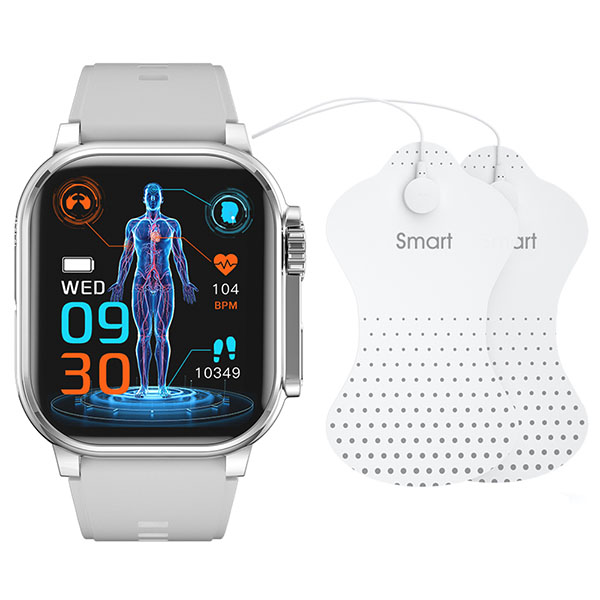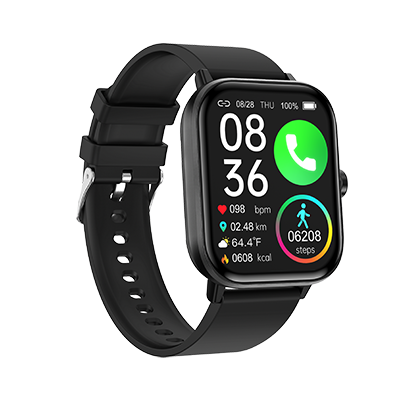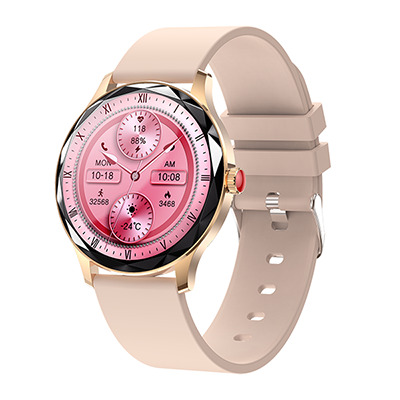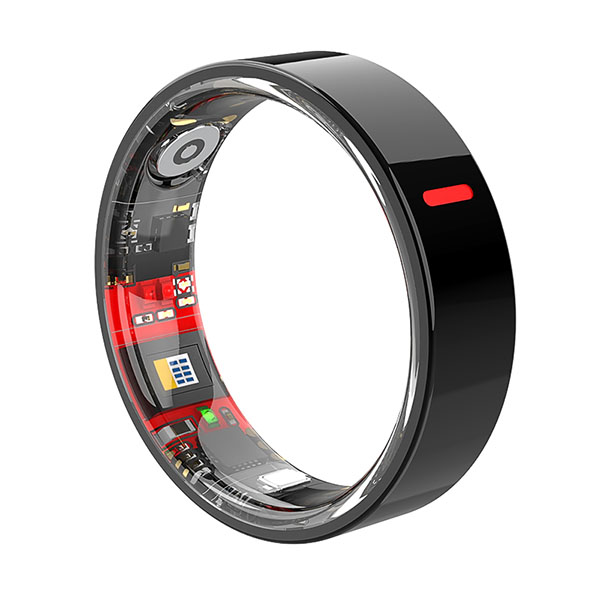
As the global smartwatch market enters a period of structured growth, the European market, with its strict regulatory norms and mature consumer demand, has become a key battleground for smartwatch brands worldwide. Data shows that the European smartwatch market size reached 6.77 billion US dollars in 2025 and is expected to climb to 11.33 billion US dollars by 2030, with a compound annual growth rate (CAGR) of 10.85%. For EU brands aiming to seize this growth opportunity, cooperating with a CE & RoHS Certified Smartwatch Factory has become a prerequisite for ensuring market access and brand credibility. Such a certified factory not only breaks through the EU's regulatory barriers but also accurately matches the core demands of European consumers for product safety, environmental protection, and health performance.

The EU's strict regulatory system for electronic and wearable devices has set a high threshold for market access. CE certification, as the cornerstone of entering the European Economic Area, covers key modules such as electromagnetic compatibility (EMC) and low-voltage safety (LVD) for smartwatches, requiring compliance with standards such as EN 301 489 and EN 62368. For smartwatches with wireless functions such as Bluetooth and WiFi, they also need to pass the RED directive certification, which imposes strict requirements on radio frequency parameters, SAR radiation, and software upgrade evaluation. RoHS certification, on the other hand, strictly restricts the use of 10 types of hazardous substances such as lead, cadmium, and mercury in products, requiring the lead content in homogeneous materials to be ≤0.1% and cadmium content ≤0.01%. Non-compliant products face risks such as customs seizure, destruction, and fines of up to 100,000 euros, which directly affects the normal market operation of brands—making cooperation with a CE & RoHS Certified Smartwatch Factory even more critical.
A professional CE & RoHS Certified Smartwatch Factory has established a comprehensive compliance system from the product R&D stage to ensure that every link meets EU regulatory requirements. In the R&D phase, the factory integrates Design for Compliance (DFC) concepts, selecting Bluetooth chips and battery modules that have passed RED certification in advance to shorten the certification cycle by 30%. For key components such as watchbands that are in direct contact with the skin, it not only conducts RoHS testing but also completes skin sensitization tests in accordance with EN 1811 standards to ensure biocompatibility. During the production process, the certified factory establishes a supply chain material declaration (MSDS) system, focusing on controlling high-risk components such as batteries and case coatings, and conducts regular random inspections to avoid the use of non-compliant materials. After production, professional third-party testing institutions (such as TÜV, SGS) are invited to conduct comprehensive testing, and technical documents including circuit diagrams, BOM lists, and test reports are sorted out and retained for at least 10 years to respond to EU market supervision inspections—fully embodying the professional advantages of a CE & RoHS Certified Smartwatch Factory.
Beyond compliance guarantees, a CE & RoHS Certified Smartwatch Factory can better meet the evolving consumer demands in the European market. With the increasing emphasis on health and wellness in Europe, 72% of consumers regard "health data accuracy" as the primary criterion for purchasing smartwatches. The European Commission's survey shows that approximately 32% of Europeans regularly participate in fitness activities, and EU governments are actively promoting digital health initiatives, further driving the demand for smartwatches with advanced health monitoring functions. Such a certified factory has the technical strength to integrate high-precision sensors, realizing functions such as heart rate tracking, sleep analysis, and blood pressure trend monitoring, and ensuring that health data complies with GDPR privacy regulations through local data storage and end-to-end encryption technologies. In response to the growing trend of sustainability in Europe, theCE & RoHS Certified Smartwatch Factory also adopts eco-friendly materials and sustainable manufacturing processes, such as using recyclable metal components with a recovery rate of up to 85% and degradable packaging materials, to meet European consumers' value-based spending needs focused on environmental protection.
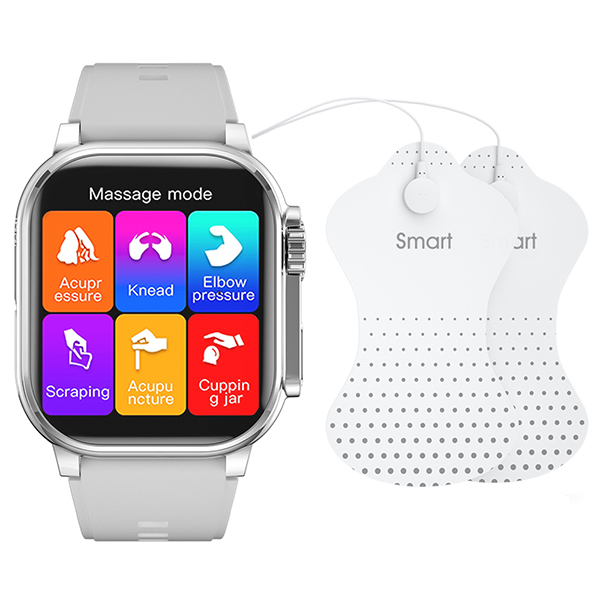
The development of the e-commerce market in Europe has also changed the sales model of smartwatches, making online sales account for 48.1% of the market share. A CE & RoHS Certified Smartwatch Factory has obvious advantages in supporting EU brands' online expansion: compliant products can directly enter major e-commerce platforms without being restricted by regulatory barriers, and the CE and RoHS certification marks can enhance consumer trust and improve conversion rates. In addition, the certified factory can provide customized services according to the positioning of EU brands. For millennials who account for 42% of the market share, it can develop smartwatches with fashionable designs and multi-scene sports monitoring functions; for the rapidly growing senior consumer group, it can optimize product operation interfaces and enhance battery life to meet the needs of elderly care and chronic disease management. Some CE & RoHS Certified Smartwatch Factory even cooperate with European fashion designers to launch personalized customized models, helping brands stand out in the competitive market.