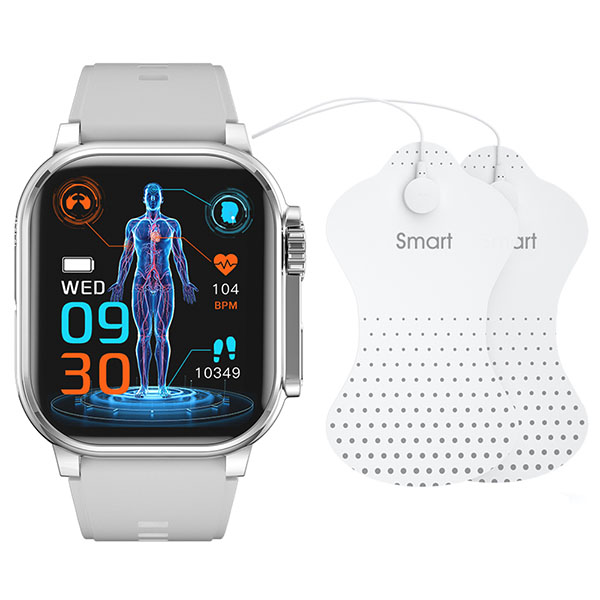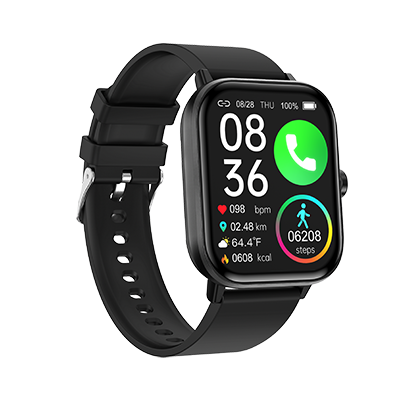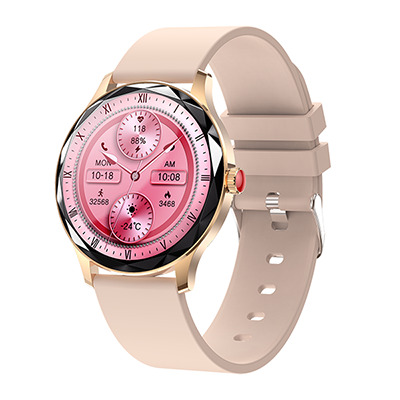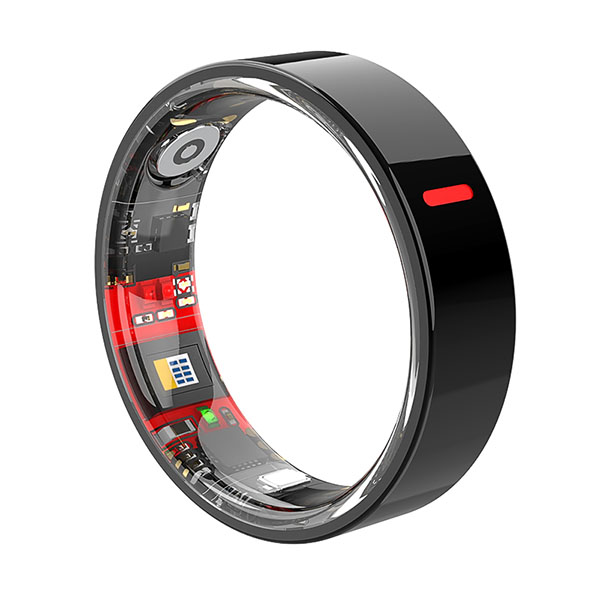
Driven by the wave of the Internet of Things (IoT) and digital health, smart bands have evolved from simple step-counting tools into multi-dimensional health data collection terminals. As a core hub connecting hardware terminals and cloud services, Smart Band SDK for Cloud Platform Integration is becoming a key support for enterprises to achieve large-scale deployment of smart wearable devices and in-depth exploration of data value. Whether it is the construction of health management platforms, the development of enterprise employee health monitoring systems, or the expansion of vertical scenarios such as smart campuses and smart elderly care, an efficient integration solution of Smart Band SDK and cloud platforms can significantly reduce development thresholds, improve data flow efficiency, and inject core impetus into business innovation.
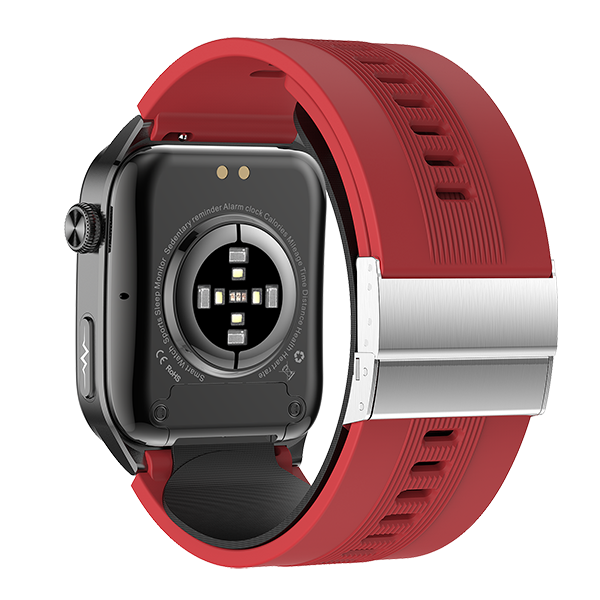
The core value of smart bands lies in data — real-time collection and analysis of multi-dimensional data such as heart rate, blood oxygen, movement trajectory, and sleep quality. The release of this data value is inseparable from in-depth integration with cloud platforms. The core function of Smart Band SDK for Cloud Platform Integration is to break down the technical barriers between hardware terminals and cloud services, and realize the full-link connection of data from collection, transmission, storage to analysis through standardized interface design and flexible protocol adaptation. Different from the traditional hardware development model, such SDKs usually encapsulate complex underlying communication protocols (such as BLE, WiFi, MQTT, etc.), data encryption algorithms, and cloud adaptation logic. Developers do not need to pay attention to the underlying details of the hardware; they only need to call the standardized interfaces provided by the SDK to quickly complete the docking of smart bands with public cloud, private cloud, or hybrid cloud platforms, greatly shortening the product development cycle.
A high-quality Smart Band SDK for Cloud Platform Integration often has three core capabilities to meet the development needs and scenario adaptation of different enterprises. First, it has full-scenario protocol adaptation capabilities, which can be compatible with mainstream IoT communication protocols (such as MQTT/CoAP) and cloud service architectures, support the rapid access of mainstream cloud platforms such as Huawei Cloud, Alibaba Cloud, and Gizwits Cloud, and at the same time adapt to multi-terminal operating systems such as Android, iOS, and HarmonyOS to ensure the consistency of data synchronization between multiple devices and platforms. Second, it has data security and compliance guarantee capabilities. It uses advanced technologies such as national secret level 2 encryption and quantum encryption to perform full-link encryption of transmitted data, and at the same time complies with policy requirements such as the "Personal Information Protection Law" and the "Data Security Protection Specifications for Wearable Devices" to ensure the privacy and compliant storage of users' health data. Finally, it has flexible secondary development and expansion capabilities. It provides rich API interfaces and modular functional components, supporting developers to customize data collection frequency, analysis models, and early warning rules according to business needs, and easily realize personalized function expansion, such as chronic disease risk prediction, sports injury warning, electronic fence monitoring and other scenario-based functions.
In practical applications, Smart Band SDK for Cloud Platform Integration has become a core support for the digital transformation of multiple vertical industries, and its integration advantages have been fully demonstrated in specific scenarios. In the field of smart medical care, docking smart bands with hospital HIS systems and health cloud platforms through this SDK can realize real-time upload and abnormal early warning of post-operative patients' vital sign data such as heart rate and respiration, helping doctors remotely monitor patients' recovery status and effectively reducing the re-hospitalization rate. In the enterprise health management scenario, smart bands integrated with SDK can collect employees' movement data, stress index and other information, and generate group health reports through cloud big data analysis, providing data support for enterprises to formulate personalized EAP intervention plans. In the smart campus scenario, relying on the SDK to realize the integration of smart bands and campus security cloud platforms, real-time monitoring of students' location information can be achieved through positioning services and electronic fence functions, and combined with functions such as drowning warning and dangerous area warning, to build a solid campus security defense line. In addition, in fields such as sports technology and logistics fleet management, the integrated application of this SDK has also greatly improved business management efficiency and service accuracy.
With the in-depth integration of AI large models and IoT technology, Smart Band SDK for Cloud Platform Integration is developing in a more intelligent and integrated direction. In the future, the SDK will further integrate edge computing and cloud AI capabilities to realize the collaboration between real-time end-side data analysis and in-depth cloud mining, improving data processing efficiency and response speed; at the same time, the low-code development model will gradually become popular, allowing non-technical personnel to complete core function configuration through a graphical interface, further reducing the development threshold. At the data integration level, the SDK will strengthen adaptation to medical and health standards (such as HL7 FHIR), break down data barriers between cloud platforms of different manufacturers, and promote cross-platform intercommunication and value maximization of health data. For enterprises, choosing a Smart Band SDK for Cloud Platform Integration that adapts to their own business scenarios and has strong security guarantees and expansion capabilities will be the key to seizing the opportunity in the smart wearable market.