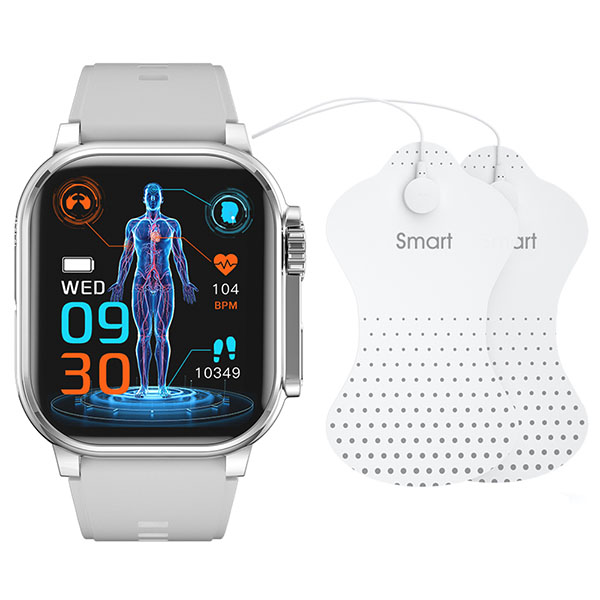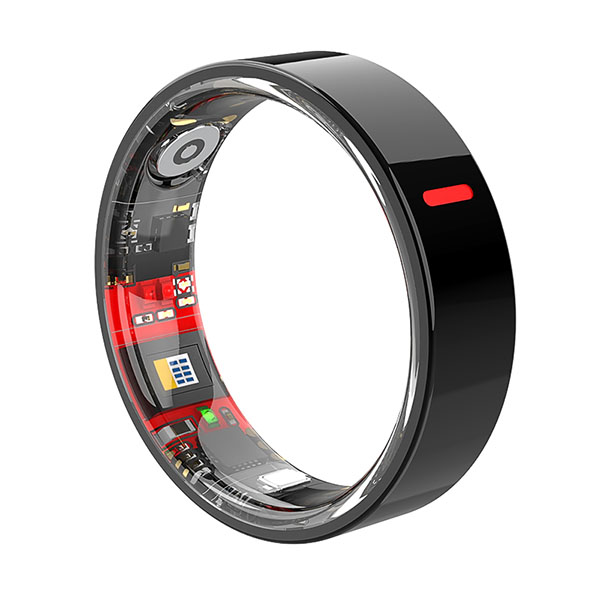
Battery optimization in medical-grade smartwatch devices refers to the process of minimizing power consumption while maintaining continuous, accurate physiological monitoring. Unlike consumer smartwatches that prioritize aesthetics and entertainment features, medical-grade smartwatches serve a life-critical purpose, making battery optimization not just a convenience but an indispensable requirement.

First and foremost, all types of medical devices—including smartwatches—must operate 24/7 without interruption. Patients and healthcare providers depend on these devices to track vital signs such as heart rate, blood oxygen levels, and electrocardiogram (ECG) data around the clock, and even a brief battery failure can result in missed critical alerts. This is particularly true for Remote Patient Monitoring (RPM) programs, where patients may be elderly, chronically ill, or living alone; frequent charging is impractical, if not impossible, for these user groups. A medical smartwatch with poor battery life can disrupt RPM workflows, leaving healthcare teams without real-time insights into patient health.
Beyond workflow disruptions, battery failure directly impacts patient safety. If a medical smartwatch shuts down unexpectedly, it may fail to detect life-threatening changes in a patient’s condition—such as an irregular heartbeat or a sudden drop in blood oxygen—and delay necessary medical intervention. Additionally, medical-grade devices are subject to strict regulatory compliance and reliability standards, which mandate consistent performance over extended periods. Battery optimization is a key component of meeting these standards, as it ensures the device can maintain accurate monitoring and connectivity for the duration required by healthcare providers and regulatory bodies.
Key Challenges in Medical Smartwatch Battery Management
1. Continuous Sensor Monitoring
One of the most significant challenges in medical smartwatch battery management is the need for continuous sensor monitoring. Unlike consumer smartwatches that can toggle sensors on and off based on user activity, medical-grade devices must constantly collect physiological data to deliver accurate, real-time insights. This includes continuous ECG acquisition, which requires the sensor to remain active to detect even the smallest irregularities in heart rhythm. Similarly, SpO₂ (blood oxygen saturation) monitoring demands real-time sampling to track changes in oxygen levels, while HRV (heart rate variability) measurements require frequent sampling to assess cardiovascular health. Each of these processes consumes power, and balancing continuous monitoring with battery efficiency is a core challenge for developers.
2. BLE & Wireless Connectivity
Medical smartwatches rely heavily on BLE (Bluetooth Low Energy) and other wireless connectivity options to sync data with smartphones, tablets, or cloud-based healthcare platforms. Real-time data synchronization is essential for RPM, as it allows healthcare providers to access patient data remotely and respond to alerts promptly. However, maintaining constant cloud platform connection and transmitting data at regular intervals consumes significant power. While BLE is designed to be low-power, the demands of medical-grade data transmission—including secure, reliable communication—can strain battery life. Optimizing low-power communication protocols to reduce energy usage without compromising data integrity is a critical challenge.
3. Firmware & Algorithm Load
Modern medical smartwatches integrate advanced AI algorithms to analyze physiological data, detect anomalies, and generate actionable insights. These AI algorithms require constant computing power, which drains battery life. Additionally, data preprocessing—including filtering noise, normalizing data, and preparing it for analysis—adds to the device’s power load. Over-the-air (OTA) updates, which are necessary to fix bugs, add new features, and maintain compliance, also consume power, as the device must download and install updates while continuing to monitor the patient. Balancing the performance of firmware and algorithms with battery efficiency is a key challenge in medical smartwatch design.
4. Always-On Display vs Screen-Free Medical Devices
Consumer smartwatches often feature always-on AMOLED displays, which are visually appealing but highly power-intensive. Medical-grade smartwatches, however, prioritize battery life over display aesthetics. While some medical devices may include a display for patient feedback (e.g., showing current heart rate), many are designed as screen-free medical trackers to minimize power consumption. The trade-off between providing user-friendly display features and maintaining long battery life is a critical consideration, as AMOLED displays can significantly reduce battery endurance—especially when left on continuously.
Core Technologies for Battery Optimization in Medical-Grade Smartwatches
To address the unique challenges of medical smartwatch battery management, developers rely on a suite of core technologies designed to minimize power consumption while maintaining the device’s life-critical functionality. These technologies span hardware, firmware, and software, working together to extend battery life without compromising performance or compliance.
1. Low-Power Chipset Selection
The foundation of battery optimization in medical smartwatches is the selection of a low-power chipset for medical wearable devices. Ultra-low-power MCUs (microcontroller units) are designed to operate at minimal power levels while still supporting the device’s core functions, such as sensor data collection and wireless communication. BLE 5.x modules, which offer improved energy efficiency and longer range compared to earlier versions, are also essential for reducing power consumption during wireless data transmission. Integrated PMUs (Power Management Units) further optimize power usage by regulating voltage, managing power distribution, and enabling efficient transition between active and sleep modes. Together, these components form the hardware backbone of a battery-efficient medical smartwatch.
2. Intelligent Sensor Scheduling
Instead of maintaining constant high-frequency sensor sampling, medical smartwatches use intelligent sensor scheduling to reduce power consumption. This approach involves dynamically adjusting the sampling rate based on patient activity, physiological data, and user context. For example, during periods of rest (such as nighttime), the device can switch to a low-frequency sampling mode, reducing the number of data points collected while still monitoring for critical changes. During periods of increased activity or irregular physiological data, the sampling rate can be increased to ensure accuracy. Event-triggered sampling—where the sensor only activates when a specific event (e.g., a sudden spike in heart rate) is detected—further minimizes power usage by eliminating unnecessary sampling.
3. Advanced Power Management IC (PMIC)
An Advanced Power Management IC (PMIC) is a critical component for optimizing battery life in medical smartwatches. PMICs are responsible for power distribution optimization, ensuring that each component (e.g., sensors, MCU, BLE module) receives only the power it needs to operate. They also control sleep mode activation, putting non-essential components into low-power sleep states when not in use. Additionally, PMICs include safety features such as overvoltage protection, which not only protects the device and battery but also ensures compliance with medical safety standards. By efficiently managing power flow and reducing energy waste, PMICs play a key role in extending battery endurance.
4. Firmware-Level Optimization
Firmware-level optimization is another essential technology for medical smartwatch battery optimization. This includes implementing deep sleep modes, where the device shuts down all non-essential functions when not actively monitoring or transmitting data. An interrupt-based architecture ensures that the device only wakes up when necessary—such as when a sensor detects a critical change or when it’s time to sync data—reducing unnecessary power consumption. Improving code efficiency by minimizing redundant processes and optimizing data handling also helps reduce the firmware’s power load. Medical smartwatch firmware optimization is a continuous process, as developers regularly update firmware to improve energy efficiency and performance.
5. Cloud-Offloading Strategy
A cloud-offloading strategy helps reduce the computational load on the medical smartwatch, thereby minimizing power consumption. Instead of running complex AI algorithms and data analysis on the device itself, the smartwatch only collects and transmits core physiological data to the cloud. The heavy lifting—such as anomaly detection, trend analysis, and report generation—is performed on cloud-based servers, which have far greater computing power and do not rely on the device’s battery. This approach not only reduces power usage but also allows the device to focus on its core function: accurate, continuous monitoring.
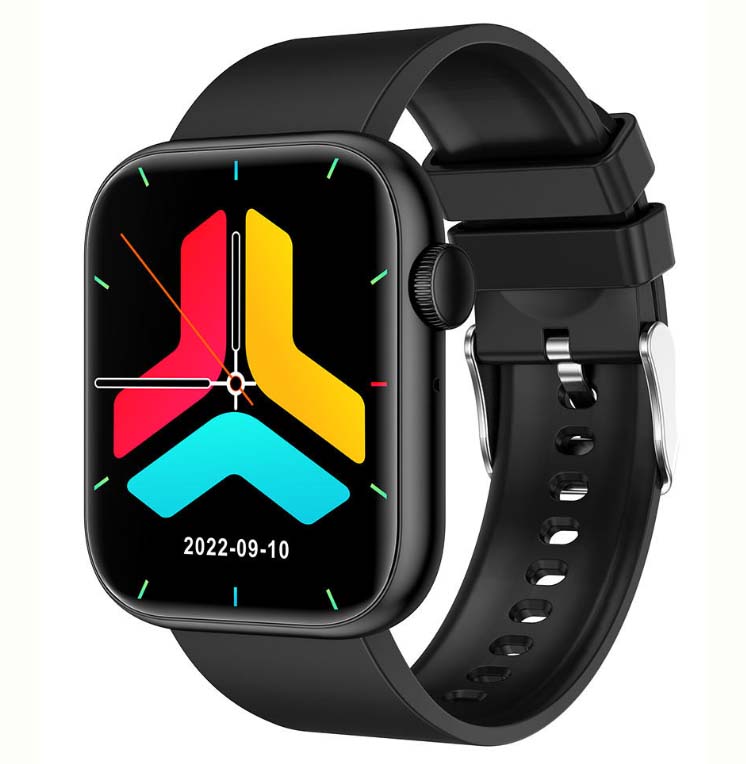
Battery Capacity vs Device Size: Engineering Trade-Offs
When designing a medical-grade smartwatch, engineers face a critical trade-off between battery capacity (measured in mAh) and device size. A larger battery will naturally provide longer battery life, but it will also increase the device’s size, weight, and bulk—compromising wearability. Medical smartwatches are often worn by patients for extended periods, so wearability is a key consideration; a bulky, heavy device is less likely to be worn consistently, which undermines its effectiveness. Additionally, larger batteries generate more heat, which can be a concern for medical devices (as excessive heat can impact patient comfort and device performance). The following table highlights the key trade-offs between battery capacity and device size:
|
Battery Capacity (mAh) |
Estimated Battery Life (Days) |
Device Size (mm, WxHxD) |
Wearability |
Heat Generation |
|
300–400 |
5–7 |
40x40x10 |
High (slim, lightweight) |
Low |
|
400–600 |
7–14 |
42x42x12 |
Medium (slightly bulkier) |
Medium |
|
600+ |
14+ |
45x45x15 |
Low (bulky, heavy) |
High |
Engineers must balance these factors to create a device that is both wearable and capable of meeting the long battery life requirements of medical applications. This often involves prioritizing energy efficiency (through the core technologies discussed earlier) to reduce the need for a larger battery, thereby maintaining a slim, lightweight design.
How Long Should a Medical Smartwatch Battery Last?
The ideal battery life for a medical smartwatch depends on its intended use case, design, and target user group. However, there are clear distinctions between consumer smartwatches and medical-grade devices, as well as between devices with displays and screen-free trackers. The following guidelines outline the standard medical smartwatch battery life expectations:
The medical smartwatch battery life standard is not arbitrary; it is based on the needs of healthcare providers and patients. A battery life of at least 5 days ensures that patients do not have to charge the device more than once a week, while 14+ days is ideal for high-risk patients or remote monitoring scenarios where charging access is limited.
Battery Optimization for Remote Patient Monitoring (RPM)
Remote Patient Monitoring (RPM) is one of the most critical use cases for medical-grade smartwatches, and battery optimization is especially important in this context. RPM programs involve monitoring patients outside of traditional healthcare settings—such as in their homes—and rely on continuous data collection and transmission. Remote patient monitoring battery optimization is therefore a key priority for healthcare providers and device manufacturers.
Chronic disease management is a primary application of RPM, and patients with conditions like heart disease, diabetes, or COPD require long-term, continuous monitoring. These patients may be elderly, have limited mobility, or lack access to regular charging, making long battery life a necessity. A medical smartwatch with poor battery life can disrupt RPM workflows, leading to missed data points and delayed interventions.
Elderly care monitoring is another key RPM use case. Elderly patients may forget to charge their devices or may not have the dexterity to do so frequently, making screen-free, long-battery-life devices ideal. Additionally, clinical trials often rely on RPM devices to collect data from participants over extended periods, and battery stability is critical to ensuring the integrity of trial data. A device that shuts down unexpectedly can invalidate weeks or months of data, costing time and resources.
Safety & Compliance Considerations in Medical Wearable Batteries
Medical wearable battery safety is a top priority for device manufacturers, as batteries are a potential safety hazard if not designed and tested properly. Medical-grade smartwatches must comply with strict international standards to ensure patient safety, including IEC battery safety standards (such as IEC 60601-1 for medical electrical equipment). These standards outline requirements for battery design, testing, and performance, including thermal management, overcharge protection, and durability.
Thermal management is critical for medical wearable batteries, as excessive heat can cause the battery to degrade, leak, or even catch fire. Medical smartwatches are designed with heat-dissipating materials and thermal sensors to monitor battery temperature and prevent overheating. Overcharge protection is another essential safety feature; PMICs are used to stop charging once the battery is full, preventing damage and reducing the risk of fire or explosion.
In addition to battery-specific safety standards, medical smartwatches must comply with broader medical device regulations, such as the FDA’s 510(k) clearance in the United States or the CE mark in the European Union. These regulations require manufacturers to demonstrate that their devices are safe and effective, including proving that the battery system is reliable and compliant with all applicable standards. Failure to meet these requirements can result in regulatory rejection, product recalls, or legal liability.
Common Mistakes in Medical Smartwatch Battery Design
Designing a battery-efficient medical smartwatch is a complex process, and many manufacturers make avoidable mistakes that compromise battery life, safety, or compliance. These mistakes are particularly costly in the medical device industry, where reliability and safety are paramount. Below are the most common mistakes in medical smartwatch battery design:
Cost Factors in Battery Optimization for Medical Smartwatch OEM
For medical smartwatch OEM (Original Equipment Manufacturers), battery optimization comes with several cost considerations that must be balanced against performance, safety, and compliance. Understanding these costs is critical for developing a viable product that meets market demands while remaining profitable. The key cost factors in battery optimization for medical smartwatch OEM include:
While these costs can be significant, they are offset by the value of a reliable, battery-efficient medical smartwatch. OEMs that invest in battery optimization are more likely to win contracts with healthcare providers and RPM programs, as they can offer devices that meet the critical needs of patients and providers.
How to Choose a Medical Smartwatch Manufacturer with Strong Power Optimization Capability
When selecting a medical smartwatch manufacturer, healthcare providers, RPM program managers, and other buyers must prioritize power optimization capability. A manufacturer with strong power optimization expertise will deliver devices that are reliable, long-lasting, and compliant—critical factors for medical applications. Below are the key criteria to consider when choosing a medical smartwatch OEM with power optimization capability:
By prioritizing these criteria, buyers can select a medical smartwatch OEM with power optimization that delivers devices that are safe, reliable, and effective for medical use.
FAQ Section
1. How can battery life be extended in a medical smartwatch?
Battery life in a medical smartwatch can be extended through a combination of hardware and software optimizations. Key strategies include selecting low-power components (such as ultra-low-power MCUs and BLE 5.x modules), implementing intelligent sensor scheduling (dynamic sampling rates, event-triggered sampling), using advanced PMICs for power management, optimizing firmware (deep sleep modes, interrupt-based architecture), and adopting a cloud-offloading strategy to reduce computational load on the device.
2. What is the ideal battery capacity for medical wearable devices?
The ideal battery capacity depends on the device’s design and use case. For medical-grade smartwatches with displays, a capacity of 400–600 mAh is typical, providing 7–14 days of battery life. For screen-free medical trackers, a capacity of 600+ mAh is recommended, delivering 14–30 days of endurance. The goal is to balance battery capacity with device size and wearability—larger batteries provide longer life but may be too bulky for extended wear.
3. Does continuous ECG monitoring drain the battery quickly?
Continuous ECG monitoring does consume power, but advanced battery optimization technologies can minimize its impact. Intelligent sensor scheduling (e.g., reducing sampling rate during rest) and low-power ECG sensors help reduce energy usage. Additionally, firmware optimization and efficient power management ensure that the device only uses the necessary power for accurate ECG monitoring, allowing for continuous tracking without rapid battery drain.
4. Are lithium polymer batteries safe for medical devices?
Yes, lithium polymer (LiPo) batteries are safe for medical devices when designed and tested to meet strict safety standards (such as IEC 60601-1). LiPo batteries offer high energy density, a slim form factor, and stable performance—making them ideal for medical smartwatches. However, they require proper thermal management, overcharge protection, and testing to ensure safety and compliance.
5. How does BLE impact battery performance?
BLE (Bluetooth Low Energy) is designed to be low-power, but its impact on battery performance depends on usage. Real-time data synchronization, frequent cloud connections, and high data transmission rates can increase power consumption. However, optimizing BLE settings (e.g., reducing transmission frequency, using BLE 5.x for improved efficiency) and implementing power-saving modes (e.g., turning off BLE when not in use) can minimize its impact on battery life.