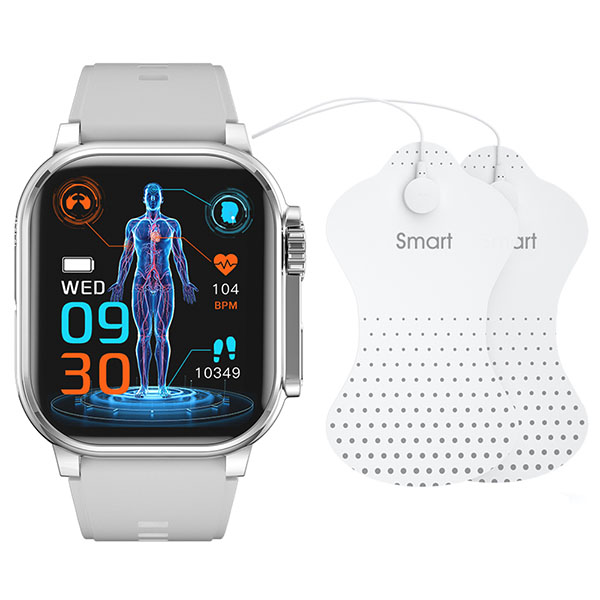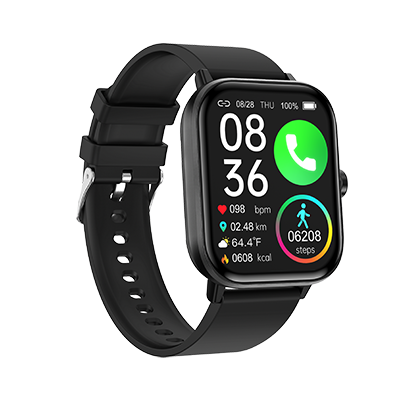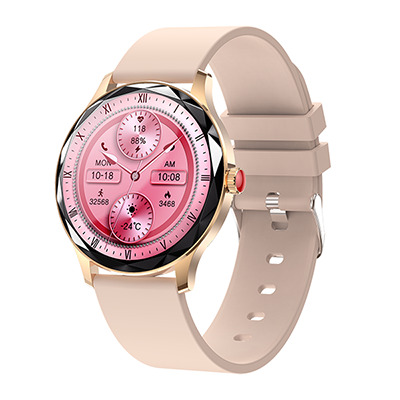
Let's be honest — most wearables look like they were designed by engineers who never had to actually wear the things. Bulky wristbands. Plastic casings that scream "fitness tracker." Screens that light up like a mini television on your arm during a dinner date. For years, the industry treated wearables as gadgets first and jewelry second, and consumers went along with it because there wasn't much of an alternative.
Smart rings changed that conversation. And custom smart rings — the ones built around your finger, your style, your daily routine — are taking things a step further.
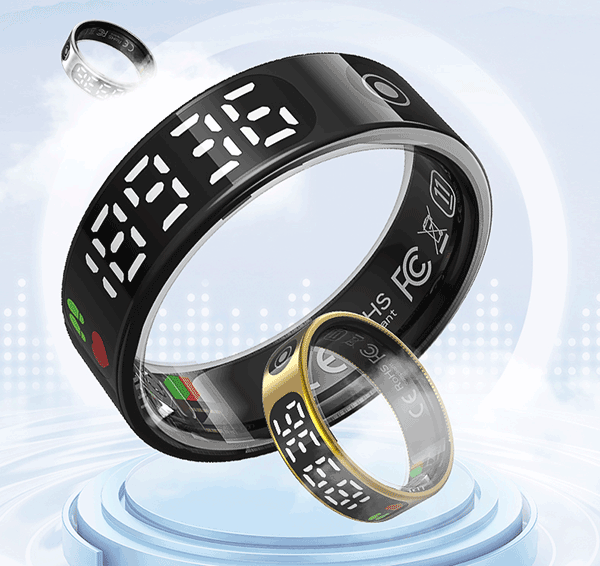
If you've been on the fence about whether a personalized smart ring is worth the investment, this guide walks through what's actually possible in 2026, how the customization process works, and what to look for before you place an order.
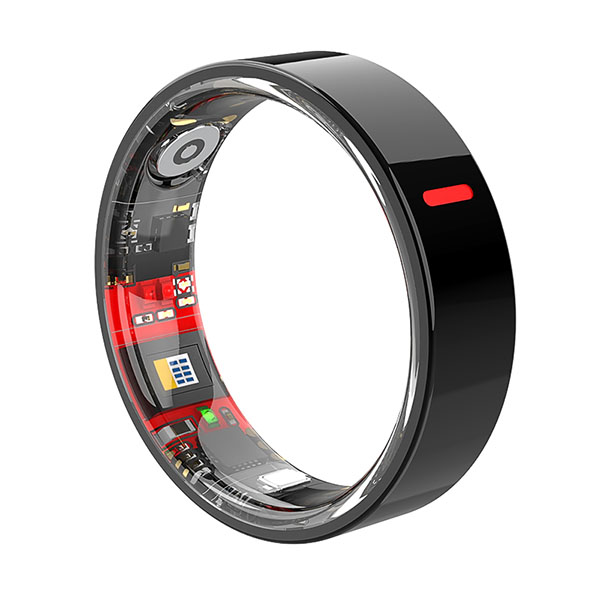
Before diving into customization, it helps to understand what's sitting inside these devices. A modern smart ring packs a surprising amount of hardware into a band that's typically narrower than a traditional wedding ring:
All of this runs on a battery the size of a watch battery, tucked inside a housing made from materials like titanium, ceramic, or tungsten. No screen. No buttons. No buzzing notifications every ten minutes. The ring does its work quietly, and you check the data when you actually want to.
That simplicity is a big part of the appeal. But it also means the physical design matters enormously — you're going to wear this thing every single day, so it had better look right and feel right.
The first generation of smart rings came in a handful of sizes and maybe three finish options. You picked the closest fit and lived with whatever it looked like. That worked for early adopters, but as the market matured, people started asking a reasonable question: If I'm wearing this 24/7, shouldn't it at least match the rest of my life?
Custom smart ring makers responded by opening up the design process. Today, a personalized ring can reflect your aesthetic preferences, your finger's exact contours, and even the specific health metrics you care about most.
Here's what customization typically covers:
Titanium remains the most popular base material — it's lightweight, hypoallergenic, and durable enough for daily wear. But custom orders expand the menu significantly:
The finish you choose affects more than appearance. Darker coatings tend to hide scratches better, while polished surfaces develop a patina over time that some owners actually prefer.
This is where custom rings pull ahead of mass-produced options. Rather than using a generic sizing ring shipped in a kit, premium custom makers offer a fit profiling process that accounts for:
A proper custom fitting typically involves a physical sizing kit mailed to your address, followed by a consultation (sometimes over video) to confirm the measurements before manufacturing begins.
The interior of a smart ring offers a natural canvas for engraving. Common requests include:
Some makers also offer exterior laser etching — geometric patterns, a matte stripe contrasting with a polished band, or even a custom logo for corporate orders.
This is the less obvious layer of customization, and it matters more than people expect. Not every user needs the same sensor stack. A few examples:
Custom sensor configuration isn't available from every manufacturer yet, but the brands offering it tend to be the ones serious about building a product that fits the individual rather than shipping a one-size-fits-all spec sheet.
If you're ordering a custom smart ring from a U.S.-facing brand, the process generally follows five stages.
You choose your material, finish, and any engraving or exterior detailing. Most brands render a digital preview at this stage so you can see the combination before committing.
A physical sizing kit arrives in the mail — usually within 3-5 business days for U.S. addresses. You try on sample rings in different sizes, ideally at different times of day, and report your selection back to the maker.
Higher-end custom services follow up with a consultation to verify your choice. This is where you can flag anything that felt off — a ring that spun too much, a size that felt tight going over the knuckle, or a width that felt bulky between your fingers.
Once the spec is locked in, the ring goes into production. Custom titanium rings typically take 2-3 weeks. Gold plating, ceramic shells, or complex engravings can extend that to 4-6 weeks. The manufacturer should provide a tracking timeline, not just a vague "we'll email you when it ships."
When the ring arrives, you pair it with the companion app, complete your sensor configuration if you opted for custom profiling, and go through a short calibration period — usually 3-7 days — during which the ring learns your baseline metrics.
The market has gotten crowded, and not every brand that offers "customization" is actually delivering a tailored product. A few things worth checking before you commit:
Sizing approach. If a brand lets you order a ring just by telling them your size number without sending a physical kit, that's a red flag. Proper smart ring fitting requires trying actual sample bands — the sensor housing adds thickness that standard jewelry sizers don't account for.
Material transparency. You should be able to confirm the exact grade of titanium, the karat and thickness of any gold plating, and the coating process used for finishes like matte black. If a brand is vague about materials, that's worth questioning.
Warranty terms. Smart rings are small devices that live on your hand — they will get knocked against doorframes, dropped on tile floors, and exposed to soap, lotion, and hand sanitizer. A solid warranty should cover sensor malfunction and battery degradation, not just manufacturing defects.
Data ownership. This one gets overlooked. Check whether the companion app lets you export your raw health data. If you're investing in a custom device to track meaningful health metrics, you should be able to take that data with you — to share with a doctor, import into another platform, or simply keep for your own records.
Return and resize policy. Even with careful sizing, sometimes a ring doesn't feel right after a week of wear. Good makers offer a resize window (typically 30-60 days) where you can exchange the ring for a different size, sometimes for a nominal fee.
Custom smart rings aren't for everyone — and that's fine. A mass-market ring off the shelf will serve plenty of users perfectly well. But customization tends to be worth it for:
Custom smart rings sit in a higher price band than their off-the-shelf counterparts, and that's worth being upfront about. A standard titanium smart ring from a reputable brand might run250-400. A fully custom version — with specialized finish, engraving, fit profiling, and sensor configuration — can land anywhere from500 to1,200 depending on materials and complexity.
Gold and platinum options push higher. So do corporate or group orders with custom exterior branding.
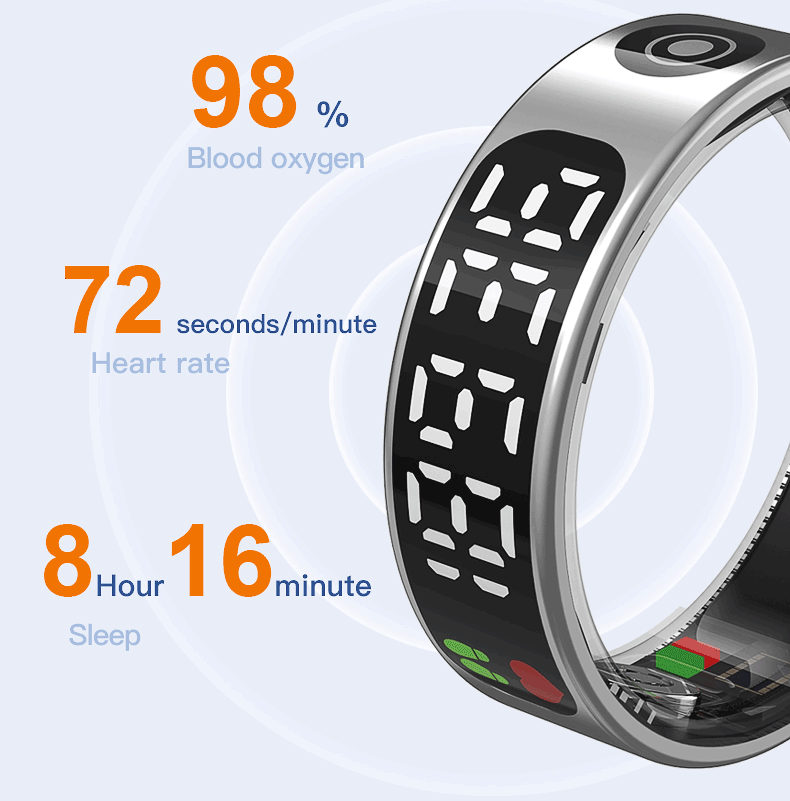
Is it worth it? That depends on what you're comparing it against. If you think of the ring as a piece of everyday jewelry that also happens to track your sleep, heart rate, and activity, the price looks different than if you're comparing it to a $99 fitness band. The custom ring is something you wear to a wedding, to the gym, to bed, and to the office — and it works in all of those settings without looking out of place.
The custom smart ring category is still evolving. We're seeing early experiments with on-ring haptic feedback (gentle vibrations for alarms and notifications, without a screen), integration with smart home systems (the ring as a presence and identity token), and more advanced sensor arrays that could eventually include continuous glucose monitoring — though that last one is still in the research phase and not available in consumer products.
What's already here, though, is genuinely useful. A ring that fits your finger precisely, matches your style, and tracks the health metrics you actually care about — without demanding your attention every few minutes — represents a quieter, more mature vision of what wearable technology can be.
If that sounds like what you've been looking for, the customization process is more accessible than it's ever been. Order a sizing kit, explore the material options, and take your time with the fit. The whole point of going custom is that you don't have to settle.