The global healthcare landscape is undergoing a seismic shift. Driven by an aging population, the prevalence of chronic diseases, and the lessons learned from recent global health crises, telehealth has evolved from a niche convenience into a cornerstone of modern medicine. According to projections from organizations like the World Health Organization (WHO), remote care solutions are essential for expanding access to quality healthcare worldwide.
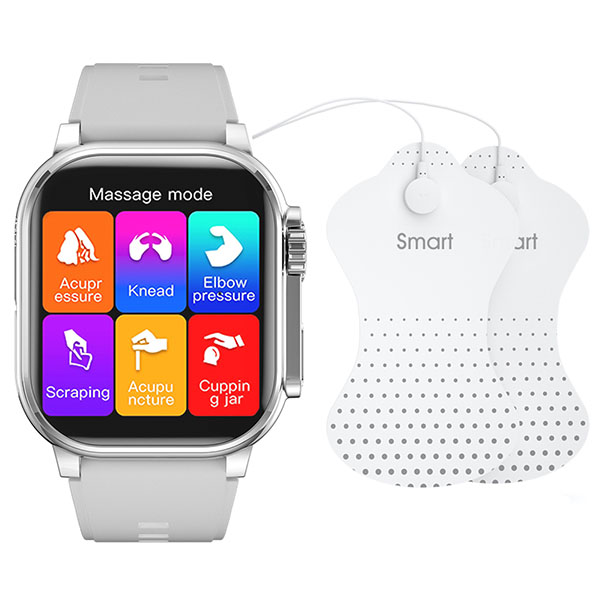
At the heart of this transformation lies the need for reliable, continuous data. Healthcare providers can no longer rely solely on sporadic clinic visits; they require real-time insights into a patient's daily vitals. This demand has catapulted telehealth wearable devices into the spotlight. Among these, the medical smartwatch has emerged as the most versatile and critical tool for remote monitoring devices. Unlike consumer-grade fitness trackers, medical-grade wearables are engineered to meet strict clinical standards, bridging the gap between patients at home and doctors in the clinic. As the industry matures, the integration of advanced sensors with secure telehealth platforms is redefining how we approach preventative care and chronic disease management.
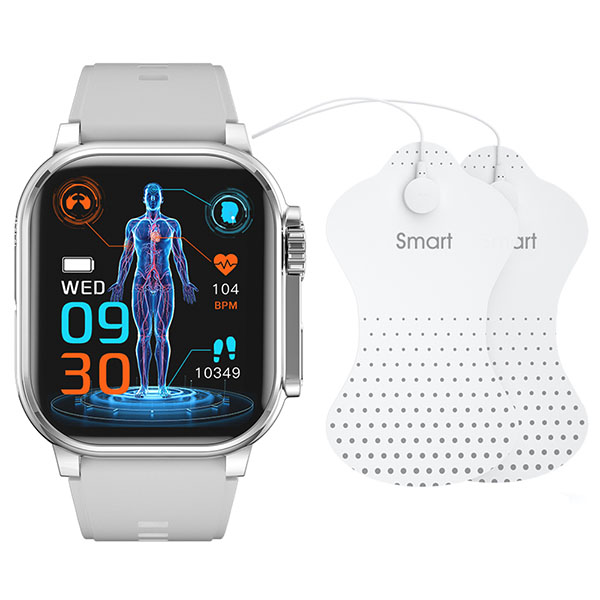
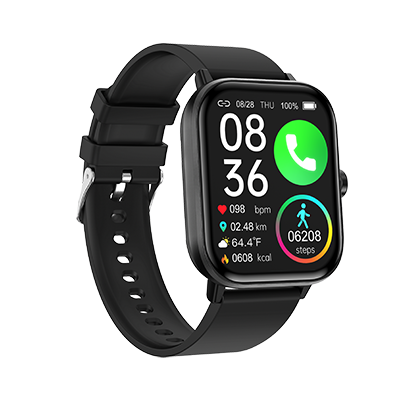
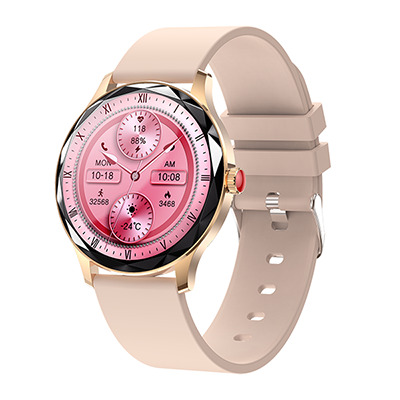
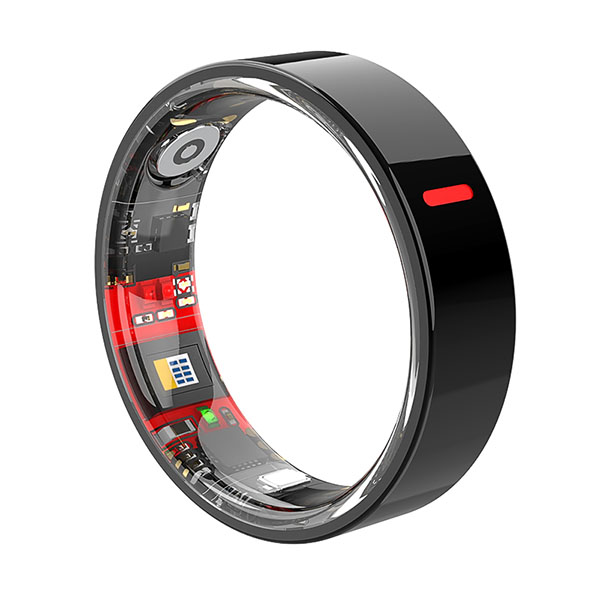
A medical smartwatch is not merely a gadget for counting steps; it is a sophisticated clinical instrument worn on the wrist. Defined broadly, a telehealth smartwatch is a wearable device designed to continuously monitor specific physiological parameters and securely transmit this data to healthcare providers via integrated telehealth platforms.
These devices serve as the frontline hardware for Remote Patient Monitoring (RPM) systems. Their core architecture is built upon four pillars:
By functioning as a constant link between the patient and the provider, the remote patient monitoring smartwatch transforms passive data collection into active health management.
For a medical smartwatch development project to succeed, the hardware must support a suite of clinical-grade sensors. These features are the primary drivers of SEO traffic and user adoption, as they address specific medical needs.
Real-time heart rate tracking is the baseline requirement for any telehealth wearable technology. Advanced optical sensors allow for cardiovascular monitoring throughout the day. This is crucial for chronic disease management, particularly for patients with heart failure or those recovering from cardiac events, allowing doctors to adjust medication based on resting heart rate trends and exertion levels.
The ability to monitor peripheral capillary oxygen saturation (SpO₂) has become indispensable. This feature is vital for managing respiratory disease, detecting early signs of sleep apnea, and monitoring patients during COVID recovery or other pulmonary conditions. Continuous SpO₂ tracking can alert providers to hypoxia events before they become critical.
Moving beyond simple pulse detection, medical smartwatches now incorporate single-lead or multi-lead ECG (Electrocardiogram) capabilities. This allows for the detection of complex心律 issues such as atrial fibrillation (AFib) and other forms of arrhythmia. By capturing an ECG trace directly from the wrist, patients can share clinically relevant data with cardiologists for remote diagnosis, reducing the need for frequent hospital visits.
Quality sleep is a strong indicator of overall health. Comprehensive sleep monitoring tracks stages (light, deep, REM) and disturbances. This data is invaluable for managing chronic disease impacts on rest and provides critical insights for elderly monitoring, helping to identify sleep disorders that may exacerbate other conditions.
Safety is paramount, especially for vulnerable populations. Advanced accelerometers and gyroscopes enable precise fall detection. If a fall is detected and the user is unresponsive, the medical wearable device automatically triggers emergency alerts and initiates SOS calling to pre-set contacts or emergency services. This feature is a lifeline for elderly patients and those receiving home healthcare, providing peace of mind to families and caregivers.
The true power of a remote patient monitoring watch lies not just in data collection, but in seamless integration with the broader healthcare ecosystem. A robust telehealth smartwatch solution ensures a frictionless data flow:
This ecosystem enables:
In the realm of medical smartwatch development, compliance is non-negotiable. Healthcare institutions and investors prioritize devices that adhere to rigorous regulatory standards to ensure patient safety and data privacy.
Protecting patient information is as critical as the hardware itself. Solutions must be HIPAA compliant (adhering to the Health Insurance Portability and Accountability Act in the US) and GDPR compliant in Europe. This involves end-to-end encryption, secure user authentication, and strict access controls to prevent data breaches. Medical clients will not adopt a solution that compromises on these security standards.
The versatility of the telehealth smartwatch allows it to serve diverse medical scenarios:
This is the most widespread application. RPM programs utilize these devices to manage hypertension, diabetes, and heart disease. By tracking blood pressure trends, glucose correlations (via indirect markers or integrated sensors), and heart rhythm, providers can intervene early, reducing hospital readmissions.
For the aging population, the smartwatch acts as a digital guardian. Combining fall detection, continuous heart monitoring, and medication reminders, these devices enable seniors to age in place safely while keeping family members and care teams informed.
After discharge, patients are at risk of complications. Post-surgery monitoring via smartwatches allows hospitals to track recovery progress remotely, identifying signs of infection (via temperature/heart rate spikes) or distress, thereby reducing follow-up visit frequency and optimizing bed usage.
Long-term conditions require long-term data. A remote patient monitoring smartwatch provides the longitudinal data necessary to tweak treatment plans for asthma, COPD, and congestive heart failure, empowering patients to take an active role in their health journey.
Developing a successful medical wearable device involves overcoming significant technical hurdles:
Consumer gadgets can tolerate minor errors; medical devices cannot. Achieving medical-grade precision across different skin tones, activity levels, and environmental conditions requires advanced sensor fusion algorithms and rigorous calibration.
Continuous monitoring drains power rapidly. Developers face the challenge of balancing high-frequency sampling with battery life. Low-power chipsets and efficient firmware are essential to ensure the device lasts days, not hours, without compromising data integrity.
As mentioned, medical data must be secure. Implementing robust encryption protocols on resource-constrained wearable hardware while maintaining seamless connectivity is a complex engineering task. Any vulnerability can lead to severe legal and reputational consequences.
Navigating these complexities requires a partner with deep expertise. Geyan Technology specializes in medical smartwatch development and wearable device OEM/ODM solutions, helping healthcare brands and startups bring compliant, high-performance devices to market.
We offer a comprehensive suite of services:
Our engineering team handles everything from PCB design to sensor integration. We focus heavily on low power optimization to ensure your device meets the demanding battery life requirements of RPM applications.
Hardware is only half the story. Geyan provides custom smartwatch firmware, intuitive mobile app development (iOS/Android), and robust SDK/API integration to connect seamlessly with existing Electronic Medical Records (EMR) and telehealth clouds.
Your brand deserves a unique identity. We offer full logo branding, UI customization tailored to medical workflows, and premium packaging design to enhance the patient experience.
We understand the ecosystem. Our solutions are pre-configured to support major remote patient monitoring systems, healthcare cloud platforms, and advanced medical data analytics engines, ensuring your device is ready for deployment from day one.
Off-the-shelf consumer watches rarely meet the specific needs of clinical trials or specialized care programs. Choosing a custom medical smartwatch solution offers distinct advantages:
Telehealth is fundamentally changing how medicine is practiced, moving care from the hospital to the home. In this new era, the medical smartwatch has become an indispensable tool for delivering high-quality, continuous care. From managing chronic conditions to safeguarding the elderly, these devices are saving lives and reducing healthcare costs.
However, the path from concept to a certified, market-ready product is fraught with technical and regulatory challenges. Partnering with an experienced developer is key to success. Contact Geyan Technology today to discuss your medical smartwatch solution for telehealth and remote patient monitoring. Let us help you build the future of connected healthcare.