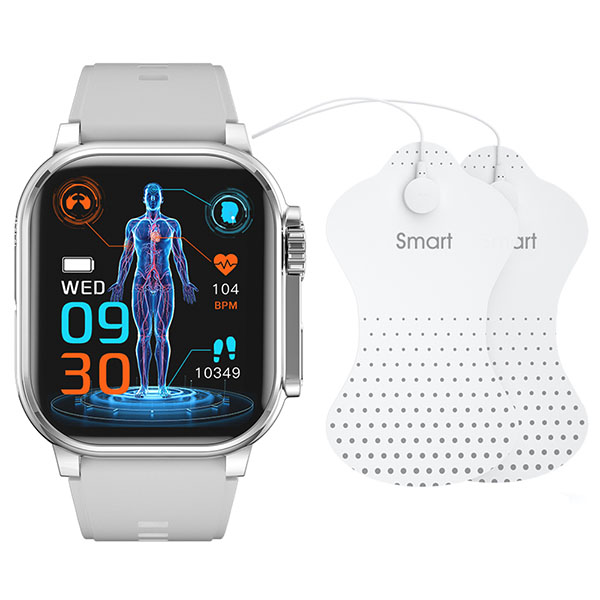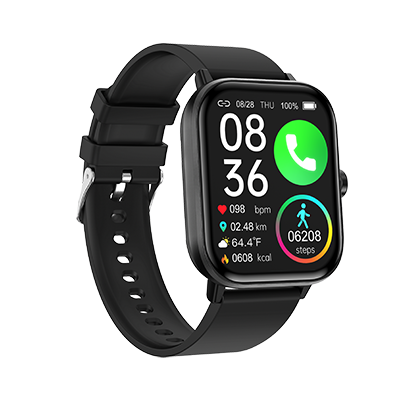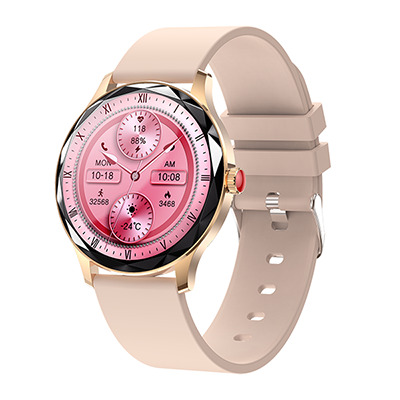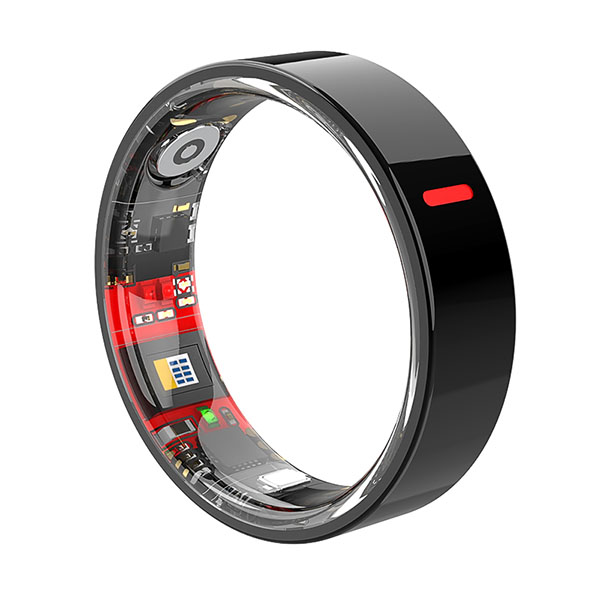
When entering the smartwatch market, one of the most critical decisions is choosing between OEM (Original Equipment Manufacturer) and ODM (Original Design Manufacturer). Both options have distinct advantages, and understanding their differences can save you significant time and money.
OEM vs ODM: At a Glance
|
Factor |
OEM |
ODM |
|
Design Control |
Full control over specifications |
Limited to existing platform designs |
|
Time to Market |
8-12 months |
4-8 weeks (existing designs) |
|
Development Cost |
Higher (NRE fees apply) |
Lower (design reuse) |
|
Intellectual Property |
You own the design |
Shared or factory-owned |
|
Minimum Order |
500-1,000 units |
100-500 units typical |
|
Best For |
Established brands, unique products |
Startups, quick market entry |
When to Choose Smartwatch OEM
OEM is ideal when you need:
• Complete design freedom and unique product identity
• Proprietary features that differentiate your brand
• Full intellectual property ownership
• Long-term competitive advantage
"OEM allows you to build a product that is 100% yours — from industrial design to software architecture."
With OEM, you work with manufacturers who execute your vision. You provide the specifications, and they build exactly what you need. This approach requires more upfront investment but results in a truly differentiated product.
When to Choose Smartwatch ODM
ODM makes sense when:
• Speed to market is your top priority
• Budget constraints limit custom development
• You want to test market demand before major investment
• You need lower minimum order quantities
"ODM is like buying a house versus building one — you move in faster, but customization options are limited to what's already available."
ODM manufacturers offer pre-designed smartwatch platforms that can be customized with your logo, packaging, and minor software modifications. This dramatically reduces both cost and time-to-market.
Key Factors to Consider
1. Budget
OEM projects typically require $30,000-100,000+ in NRE (Non-Recurring Engineering) fees. ODM may require little to no NRE.
2. Timeline
If you need to launch within months, ODM is the clear winner. OEM projects usually take 6-12 months from concept to production.
3. Differentiation
If uniqueness is critical for your brand positioning, OEM provides the flexibility to create something truly distinctive.
4. Volume
Higher volumes (10,000+) favor OEM due to better unit economics. Lower volumes may be more cost-effective with ODM.
Our Recommendation
For most new market entrants, we recommend a hybrid approach:
Start with ODM to validate market demand and establish your brand presence, then transition to OEM for next-generation products with proprietary features.
This strategy minimizes initial risk while preserving flexibility for future growth.
Ready to Start Your Smartwatch Project?
Partner with Geyan Technology — Your Trusted Smartwatch OEM/ODM Partner
📧 Contact us today for a free consultation and quote
Frequently Asked Questions
Q: Can I switch from ODM to OEM later?
A: Yes. Many brands start with ODM to test the market, then invest in OEM for v2 products with unique designs.
Q: What happens to IP ownership in ODM?
A: Typically, the ODM factory retains ownership of the base design. You own your brand identity, logo, and any custom software.
Q: Is ODM quality lower than OEM?
A: Not necessarily. Quality depends on the manufacturer's capabilities. Both can achieve high production standards.
Q: How much can I customize in ODM?
A: Common customizations include: logo/brand marking, packaging design, UI themes, app pre-installs, and strap materials. Major hardware changes require OEM.
Conclusion
Both OEM and ODM offer viable paths to market. Your choice depends on budget, timeline, differentiation needs, and long-term brand strategy. Geyan Technology specializes in both models, and our team can help you determine the best approach for your specific situation.