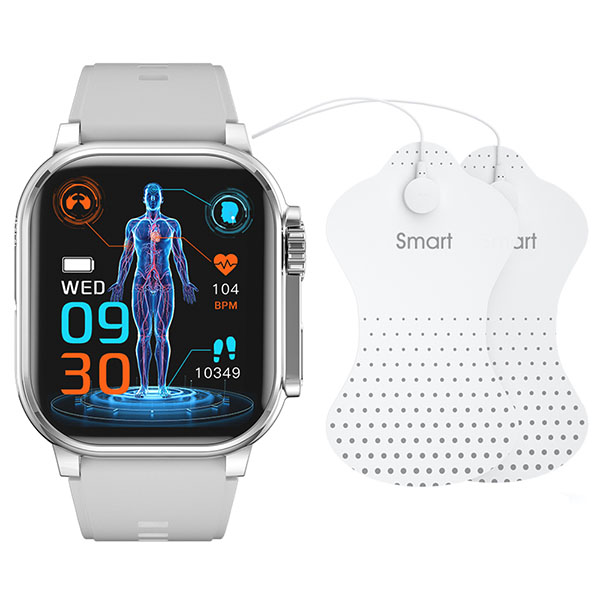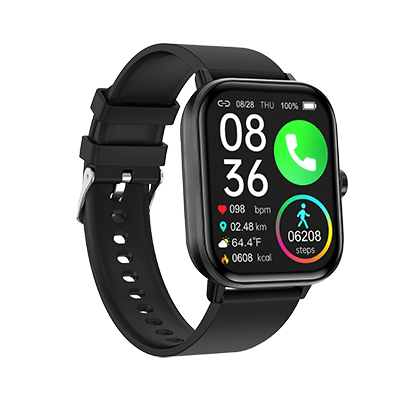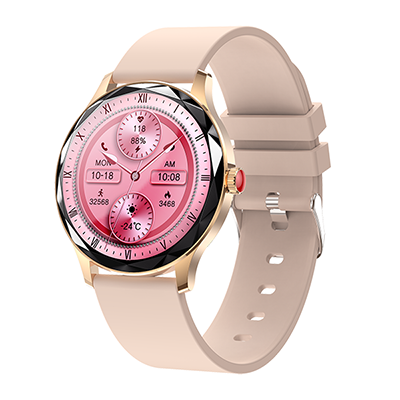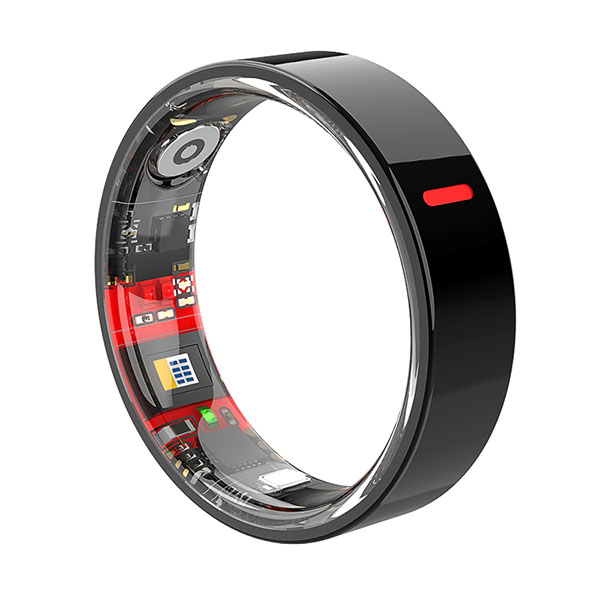
A smart watch with health tracking is a wearable device designed to help users monitor daily wellness, physical activity, and selected health-related indicators. Unlike traditional watches, it combines sensors, algorithms, and mobile connectivity to provide insights into heart rate, sleep, movement, and exercise performance.
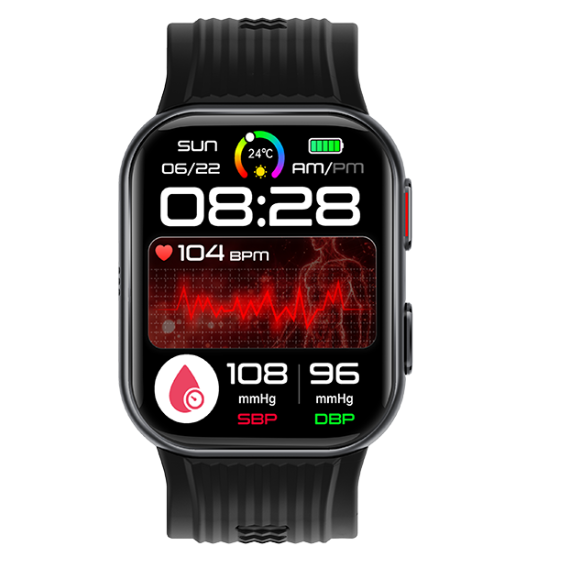
These devices have become an important category within the wearable technology market because they offer continuous, on-wrist data that users can review through companion apps. Common features include heart rate monitoring, blood oxygen (SpO₂) estimation, sleep tracking, step counting, calorie tracking, and multi-sport modes. For brands, distributors, and retailers, health-tracking smartwatches are attractive because they serve multiple consumer segments, from fitness enthusiasts to everyday wellness users and senior-friendly wearable buyers.
Heart rate monitoring is one of the most widely used health features in smartwatches. It typically works through optical sensors that detect changes in blood flow beneath the skin. Continuous or periodic monitoring helps users understand how their body responds to daily activity, stress, rest, and exercise.
For fitness users, heart rate data can help identify training intensity and recovery patterns. For general consumers, it provides a simple way to track resting heart rate trends over time.
Blood oxygen monitoring, often shown as SpO₂, estimates oxygen saturation levels using optical sensors. Many smartwatches support manual or automatic SpO₂ checks during rest, sleep, or outdoor activities.
It is important to note that consumer smartwatch SpO₂ readings are intended for wellness reference only. They are not a substitute for medical-grade pulse oximeters or professional health testing.
Sleep tracking helps users understand sleep duration, sleep consistency, and estimated sleep stages such as light sleep, deep sleep, and REM sleep. Some models also provide sleep quality scores, breathing rate estimation, and nighttime heart rate trends.
While these insights can support better sleep habits, they should not be treated as clinical sleep diagnosis.
Some smartwatches offer blood pressure-related functions, but availability and accuracy vary significantly by model. Certain devices use optical estimation, while others may require calibration or specific hardware validation.
Buyers should always verify the measurement method, supported claims, and whether the device meets any applicable regulatory requirements in their target market.
Daily activity tracking usually includes step counting, distance estimation, calorie tracking, sedentary reminders, and activity goals. Sports tracking may add dedicated modes for running, cycling, swimming, hiking, gym training, and other exercises.
More advanced models may include built-in GPS, waterproof ratings, heart rate zones, and post-exercise summaries.
Depending on the model, additional features may include HRV tracking, stress estimation, breathing exercises, female health tracking, and personalized activity reports. These features help users view wellness data from multiple angles, but their performance depends on sensor quality, algorithm design, and app support.
Health-tracking smartwatches collect data through optical sensors, motion sensors, and sometimes environmental sensors. Optical sensors measure changes in blood flow, while accelerometers and gyroscopes detect movement, steps, and posture.
The watch processes these signals using embedded algorithms and displays simplified results on the screen. Most models connect to a smartphone via Bluetooth, where a companion app provides more detailed charts, trends, and historical data.
Data synchronization allows users to review daily, weekly, or monthly patterns. However, available features depend on hardware configuration, firmware, sensor performance, algorithm quality, and app compatibility.
Fitness users benefit from real-time heart rate tracking, sport modes, calorie estimates, and activity summaries. These features help them plan workouts, monitor intensity, and track progress.
For general consumers, smartwatches provide a convenient way to track sleep, steps, heart rate, and daily movement. They are especially useful for people who want to build healthier habits without using complex medical devices.
Some smartwatch models are suitable for older users because they offer large displays, simple interfaces, sedentary reminders, heart rate monitoring, and emergency-related functions. Buyers should evaluate readability, battery life, and ease of use before selecting a model.
Brands and retailers can use health-tracking smartwatches to expand wearable product lines. These products appeal to multiple markets and can be positioned for fitness, lifestyle, gift, corporate, or senior-care segments.
Distributors and retailers can select existing smartwatch models to shorten product development time. Ready-to-sell models are useful for testing market demand, launching new categories, or expanding existing wearable assortments.
Private label services allow brands to add their own logo, packaging, watch faces, and selected design elements. Customization helps create a more consistent brand experience and supports differentiation in competitive markets.
Different regions may prefer different features. North American and European buyers often focus on app experience, design, and compliance. Middle Eastern customers may value specialized functions such as Muslim smartwatch features. Southeast Asian markets may prioritize cost-effective models with strong battery life and daily health tracking.
OEM and ODM partners can support product selection, hardware configuration, UI design, app integration, packaging, and quality control. A reliable manufacturer should be able to handle both small-batch customization and large-scale production while maintaining consistent quality and delivery standards.
Shenzhen Geyan Technology Innovation Co., Ltd. (GEYAN) was founded in 2012 and is a national high-tech enterprise specializing in the research, design, production, sales, and after-sales service of smart wearable devices. With nearly 15 years of experience in the intelligent electronics industry, GEYAN integrates independent R&D, precision manufacturing, strict quality control, and professional service to provide cost-effective smart solutions for customers worldwide.
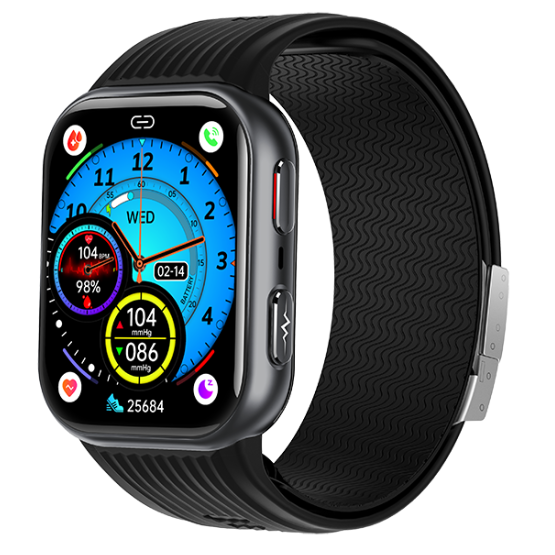
GEYAN is recognized as one of the pioneers in China’s smartwatch industry. It initiated the establishment of both the Smart Wearable Industry Association and the Chip Industry Promotion Association, where it serves as a standing committee member. The company operates a production base of more than 24,000 square meters, employs over 300 staff members, and has a daily production capacity of approximately 50,000 smartwatches. Its products are exported to more than 30 countries and regions.
GEYAN’s product portfolio covers smartwatches, smart bands, and smart rings, including:
The company provides comprehensive customization services, including logo branding, hardware and PCB design, custom UI and watch faces, dedicated mobile app and cloud integration, product design, packaging, and brand identity customization. GEYAN supports both small-batch customization and large-scale OEM/ODM orders, helping overseas brands, distributors, and retailers bring wearable products to market efficiently.
Essential features usually include heart rate monitoring, SpO₂ estimation, sleep tracking, step counting, and sports tracking. Advanced models may add HRV, stress monitoring, ECG, blood pressure-related functions, GPS, and Bluetooth calling. The best feature set depends on the target user and price positioning.
Some models offer blood pressure-related functions, but methods vary. Certain devices provide estimated readings, while others may require calibration or specific validation. Buyers should confirm the measurement principle, accuracy claims, and whether the device meets local regulatory requirements.
Most smartwatches support both iOS and Android, but compatibility depends on the watch model, companion app, operating system version, and supported features. It is recommended to verify app availability and feature limitations before placing an order.
Yes. Private label options typically include logo printing, custom packaging, watch face design, and selected appearance customization. Specific requirements depend on the model, order quantity, and supplier capabilities.
Yes. Wholesale buyers should confirm model selection, minimum order quantity, unit price, lead time, packaging, quality standards, warranty policy, and shipping terms before ordering.
Evaluate the supplier’s R&D capability, product specifications, sample quality, manufacturing scale, quality control process, customization support, communication efficiency, and after-sales service. A manufacturer with OEM/ODM experience and export experience is often better suited for international brands.
If you are looking for a smart watch with health tracking for your brand or distribution business, GEYAN can support product selection, private label customization, and wholesale supply. When requesting a quote, please share your target market, preferred health features, estimated order quantity, branding requirements, and target price range.
Contact GEYAN to explore available smartwatch models, private label options, and wholesale solutions.