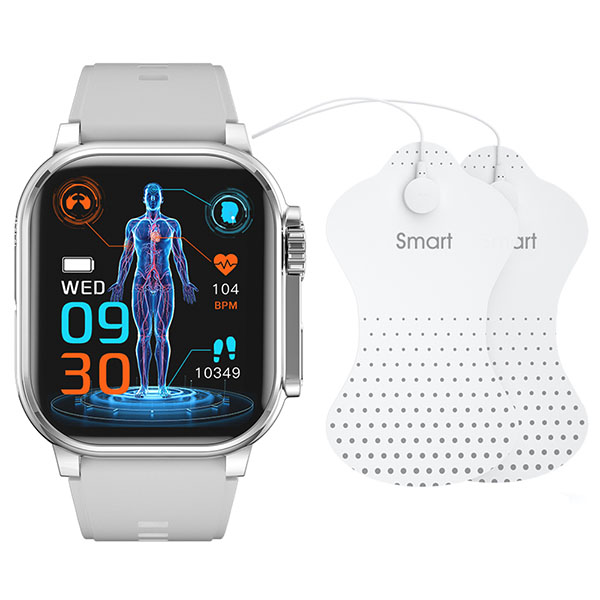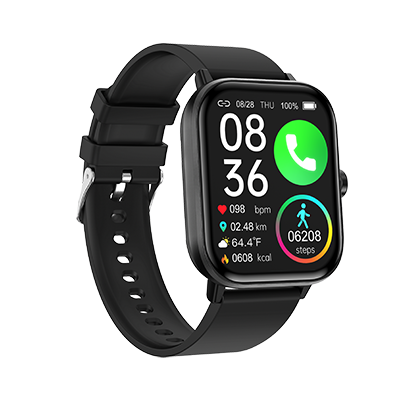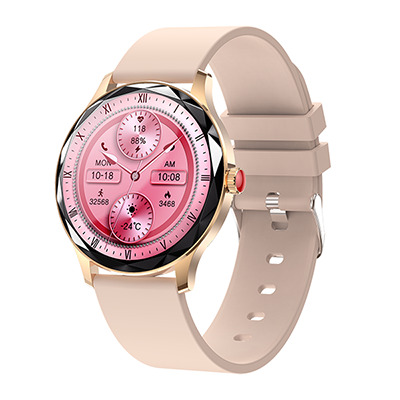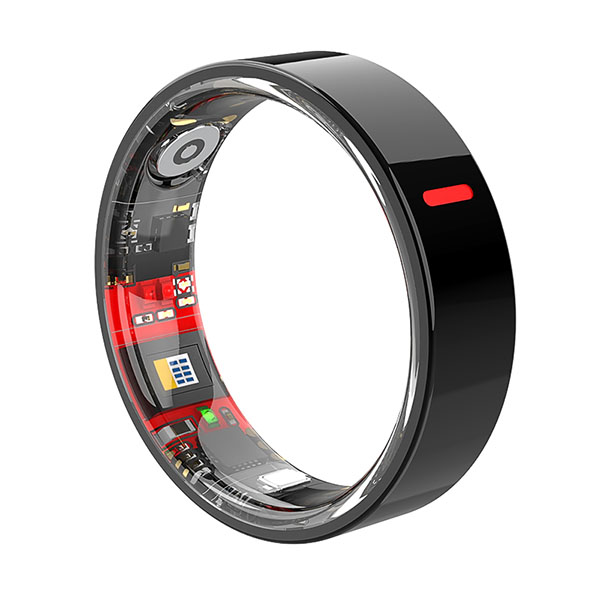
The global smart wearable market is witnessing an unprecedented surge, projected to grow from 210.88 billion yuan in 2024 to nearly 527.57 billion yuan by 2031, with a CAGR of 14.1%. For brands in healthcare, fitness, insurance, and corporate wellness, launching a custom smartwatch is no longer just about aesthetics—it is a strategic move to secure user loyalty and capture valuable health data.
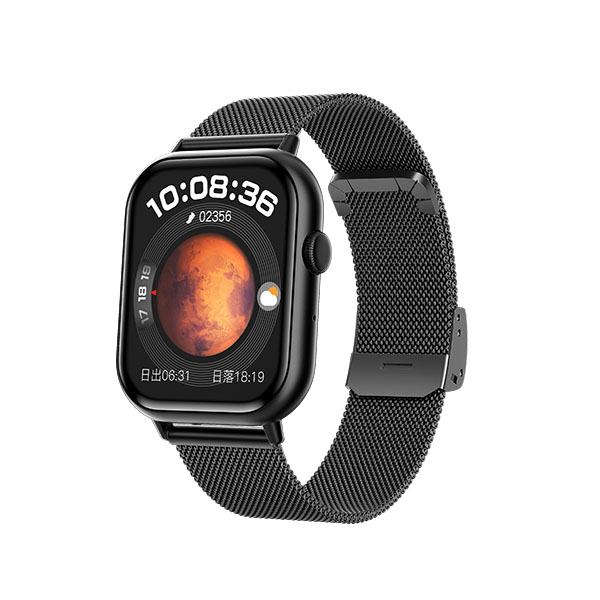
This guide details the end-to-end ecosystem of smartwatch customization, covering hardware selection, firmware logic, mobile app integration, and cloud infrastructure, while highlighting how partnering with an experienced OEM like Shenzhen Geyan Technology accelerates time-to-market.
1. Why Customization is the New Standard
Generic off-the-shelf wearables fail to address specific industry needs. Customization allows brands to:
2. The End-to-End Customization Workflow
Building a custom smartwatch is a systematic engineering feat. A typical development cycle spans 3–5 months, broken down as follows:
|
Phase |
Duration |
Key Activities |
|
Product Definition |
2–3 Weeks |
Market research, feature prioritization, target audience analysis. |
|
Hardware Design |
4–8 Weeks |
Component selection (MCU, sensors), ID/MD design, prototyping. |
|
Firmware & OS Dev |
Concurrent |
Algorithm tuning, power management, sensor calibration. |
|
App Development |
4–10 Weeks |
iOS/Android app coding, UI/UX design, white-label branding. |
|
Testing & Certs |
4–6 Weeks |
Reliability testing, CE/FCC/RoHS compliance, medical certs (if applicable). |
|
Mass Production |
3–5 Weeks |
SMT assembly, final QC, packaging, logistics. |
3. Deep Dive: Hardware Customization
Hardware is the foundation. Unlike consumer electronics where components are fixed, custom projects allow precise tailoring:
Core Components
Industrial Design (ID) & Materials
4. Software Ecosystem: Firmware, App, and Cloud
A smartwatch is only as good as its software ecosystem.
A. Firmware Development
The embedded software controls real-time operations:
B. Mobile App Integration (White Label)
The companion app is the user's dashboard. White-label solutions allow brands to launch quickly without building from scratch:
C. Cloud Platform & Data Security
For enterprise and healthcare clients, a robust cloud backend is critical:
5. Selecting the Right OEM Partner
Success hinges on the manufacturer. Key criteria for selecting an OEM/ODM partner include:
6. Case Study: Shenzhen Geyan Technology (GY Smartwatch)
Founded in 2012, Shenzhen Geyan Technology Co., Ltd. stands out as a pioneer in the Chinese smart wearable sector.
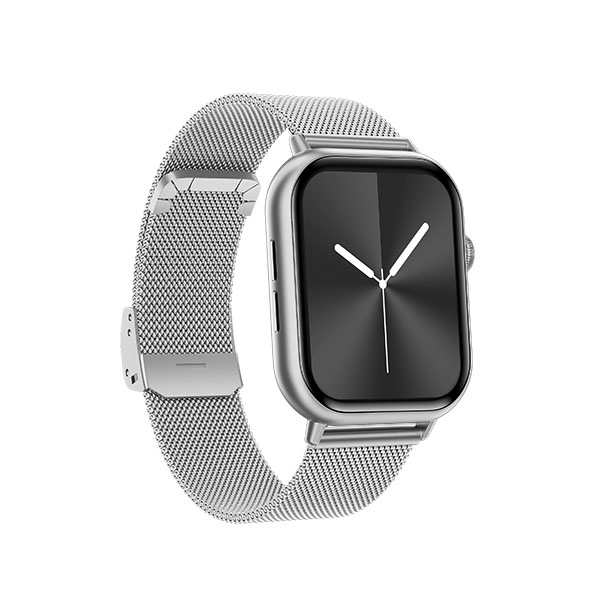
The era of one-size-fits-all wearables is over. To succeed in the competitive landscape of 2025 and beyond, brands must leverage custom smartwatch solutions that offer unique hardware capabilities, branded software experiences, and secure data ecosystems.
By partnering with a seasoned manufacturer like Shenzhen Geyan Technology, enterprises can navigate the complexities of development, ensure regulatory compliance, and launch premium products that resonate with their specific audience. Whether for remote patient monitoring, corporate wellness, or niche fitness communities, the path from concept to mass production is now clearer and more accessible than ever.