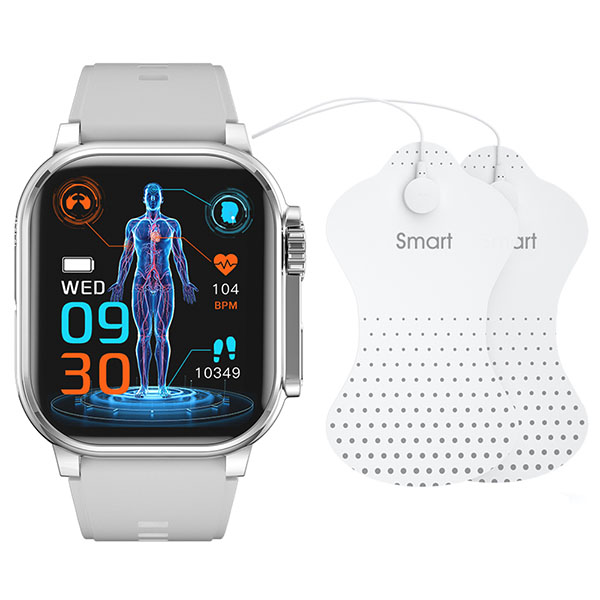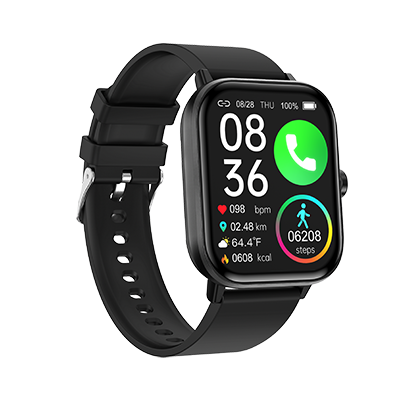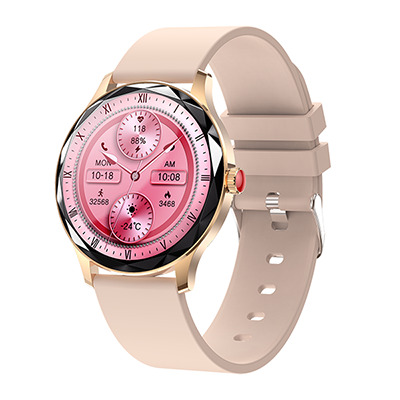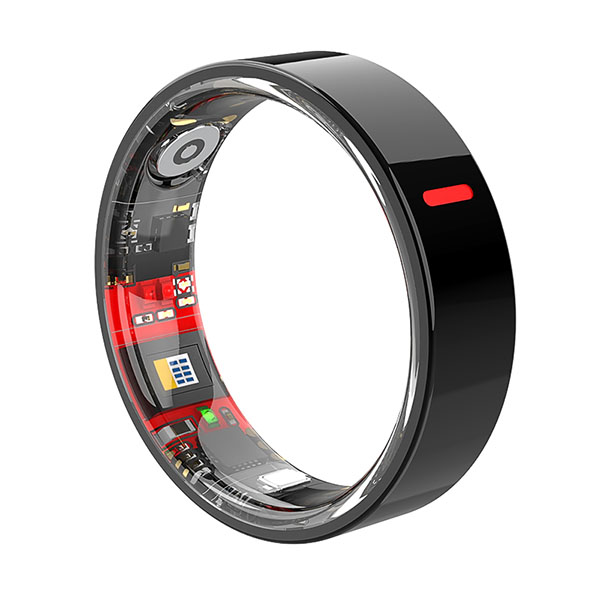
The global smartwatch market has exploded in recent years, transforming from a niche technology product into a mainstream consumer essential. For brands looking to enter or expand in this lucrative market, custom smartwatch manufacturing through OEM (Original Equipment Manufacturer) and ODM (Original Design Manufacturer) partnerships offers a strategic pathway to success. This comprehensive guide explores everything brand managers and business leaders need to know about smartwatch customization.
Why Custom Smartwatch Manufacturing Matters
In today's competitive wearable technology landscape, off-the-shelf solutions rarely provide the differentiation needed to stand out. Custom smartwatch manufacturing allows brands to create products that align perfectly with their brand identity, target audience, and market positioning. The benefits extend far beyond simple logo placement.
Brand Differentiation: Custom manufacturing enables unique design elements, proprietary features, and exclusive functionalities that competitors cannot replicate. This differentiation is crucial in a market where consumers have endless choices.
Quality Control: Working directly with manufacturers gives brands complete control over component selection, quality standards, and production processes. This control ensures that the final product meets exact specifications and brand expectations.
Cost Efficiency: While custom manufacturing requires upfront investment, it often delivers better long-term economics through optimized component selection, reduced licensing fees, and improved profit margins.
Market Responsiveness: Custom manufacturing partnerships enable faster iteration and adaptation to market trends. Brands can quickly incorporate new features or modify designs based on customer feedback and competitive dynamics.
Understanding OEM vs. ODM Models
Before engaging with manufacturers, it's essential to understand the difference between OEM and ODM arrangements, as each offers distinct advantages.
OEM (Original Equipment Manufacturer): In an OEM arrangement, the brand provides complete design specifications, and the manufacturer produces products according to those specifications. This model offers maximum control over the final product but requires significant design and engineering resources from the brand.
ODM (Original Design Manufacturer): ODM partnerships leverage the manufacturer's existing designs and engineering expertise. Brands can customize these base designs with their branding, select features, and modify aesthetics. This approach reduces development time and cost while still delivering a differentiated product.
Hybrid Approaches: Many successful partnerships combine elements of both models. Brands might use ODM base platforms while incorporating custom OEM elements for key differentiating features. This hybrid approach balances speed, cost, and differentiation.
Key Customization Options for Smartwatches
Modern smartwatch manufacturing offers extensive customization possibilities. Understanding these options helps brands make informed decisions about their product strategy.
Hardware Customization
Case Design and Materials: Choose from various materials including aluminum alloys, stainless steel, titanium, or premium options like ceramic and sapphire crystal. Case shapes, sizes, and finishing options allow for distinctive aesthetics.
Display Technology: Select display types (AMOLED, LCD, e-ink), sizes, resolutions, and protective glass options. Display customization significantly impacts both user experience and product positioning.
Sensor Configuration: Customize sensor packages based on target use cases. Options include heart rate monitors, SpO2 sensors, ECG capabilities, GPS modules, accelerometers, gyroscopes, and specialized sensors for specific applications.
Battery and Charging: Optimize battery capacity and charging solutions for your use case. Options include standard charging, wireless charging, and fast-charging capabilities.
Software and Firmware Customization
Operating System Selection: Choose between established platforms like Wear OS or custom Linux-based systems. The OS choice impacts app ecosystem, development resources, and user experience.
User Interface Design: Custom UI/UX design ensures the smartwatch interface aligns with brand identity and user expectations. This includes watch faces, menu structures, and interaction patterns.
Feature Development: Implement proprietary features that differentiate your product. This could include specialized health tracking, industry-specific applications, or unique connectivity options.
App Ecosystem: Develop or customize companion mobile applications for iOS and Android. The app experience is crucial for user engagement and retention.
Branding and Aesthetics
Logo and Branding Placement: Strategic placement of logos on the case, display, packaging, and accessories reinforces brand identity.
Color Options: Offer multiple color variants to appeal to different customer segments. Custom color matching ensures consistency with brand guidelines.
Packaging Design: Custom packaging creates a premium unboxing experience and reinforces brand positioning. Include branded accessories like charging cables, documentation, and warranty cards.
Selecting the Right Manufacturing Partner
The success of your custom smartwatch project largely depends on choosing the right manufacturing partner. Several factors should guide this critical decision.
Experience and Track Record
Look for manufacturers with proven experience in smartwatch production. Shenzhen Geyan Technology Co., Ltd., founded in 2012, exemplifies the kind of partner brands should seek. With over 15 years of smart wearable device experience and successful brands like Jieshilang, Jersa, and Xinan, they have demonstrated capability across diverse product categories including health watches, business watches, sports watches, fitness bands, smart rings, Muslim watches, and specialized TENS/EMS watches.
Technical Capabilities
Evaluate the manufacturer's technical capabilities across the entire product development lifecycle:
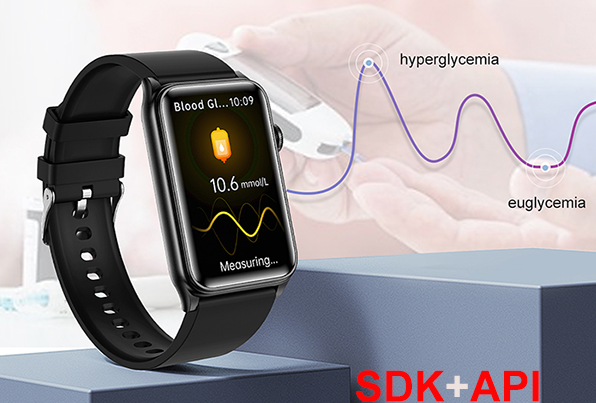
- SDK and API Support: Essential for custom
software development and integration
- PCB Design: In-house PCB design capabilities enable faster iteration and
optimization
- APP Development: Full-stack app development support for companion
applications
- Quality Testing: Comprehensive testing facilities ensure product reliability
Manufacturing Capacity and Flexibility
Assess production capacity, lead times, and flexibility to scale. The right partner can handle both initial production runs and scale to meet demand as your product gains traction. Look for manufacturers with:
- Flexible MOQ (Minimum Order Quantity)
options
- Scalable production capacity
- Efficient supply chain management
- Quality control systems
Certifications and Compliance
Ensure your manufacturing partner holds relevant certifications for your target markets:
- ISO 9001 for quality management
- CE marking for European markets
- FCC certification for US markets
- RoHS compliance for environmental standards
- Medical device certifications if applicable (FDA, CE Medical)
The Customization Process: Step by Step
Understanding the typical customization process helps brands plan effectively and set realistic expectations.
Phase 1: Requirements Definition (2-4 weeks)
- Define product specifications and target
market
- Establish budget and timeline
- Identify key differentiating features
- Create initial design concepts
Phase 2: Design and Prototyping (6-10 weeks)
- Industrial design development
- Engineering design and component selection
- Prototype development and testing
- Design iteration based on feedback
Phase 3: Software Development (8-12 weeks, parallel with Phase 2)
- Firmware customization
- Companion app development
- Cloud service integration
- Testing and optimization
Phase 4: Production Preparation (4-6 weeks)
- Tooling and mold development
- Production line setup
- Quality control procedures
- Regulatory compliance testing
Phase 5: Mass Production (4-8 weeks)
- Component procurement
- Assembly and testing
- Quality assurance
- Packaging and shipping
Total Timeline: Typically 20-36 weeks from concept to delivery, depending on complexity.
Investment Considerations
Custom smartwatch manufacturing requires significant investment. Understanding cost structures helps brands plan effectively.
Development Costs
- Industrial design: $10,000 - $50,000
- Engineering design: $20,000 - $100,000
- Software development: $30,000 - $150,000
- Prototyping: $5,000 - $20,000 per iteration
- Tooling and molds: $20,000 - $100,000
Production Costs
Unit costs vary significantly based on specifications, order quantity, and component selection. Typical ranges:
- Entry-level: $25 - $50 per unit (at
1,000+ units)
- Mid-range: $50 - $100 per unit (at 1,000+ units)
- Premium: $100 - $300+ per unit (at 500+ units)
Additional Considerations
- Certification costs: $10,000 - $50,000
depending on markets
- Inventory financing
- Marketing and distribution
- After-sales support infrastructure
Risk Mitigation Strategies
Custom manufacturing involves risks that brands should proactively manage.
Intellectual Property Protection
- Execute comprehensive NDAs before sharing
designs
- Register patents and trademarks in relevant jurisdictions
- Include IP protection clauses in manufacturing agreements
- Consider working with manufacturers in jurisdictions with strong IP
enforcement
Quality Assurance
- Implement incoming quality control (IQC)
for components
- Establish in-process quality control (IPQC) during production
- Conduct final quality control (FQC) before shipment
- Define clear acceptance criteria and rejection procedures
Supply Chain Resilience
- Diversify component suppliers where
possible
- Maintain safety stock of critical components
- Develop contingency plans for supply disruptions
- Build strong relationships with key suppliers
Conclusion
Custom smartwatch manufacturing through OEM/ODM partnerships offers brands a powerful pathway to enter and succeed in the wearable technology market. By carefully selecting manufacturing partners, understanding customization options, and managing the development process effectively, brands can create differentiated products that resonate with their target audiences.
The key to success lies in choosing experienced partners who can provide comprehensive support across hardware, software, and manufacturing. Companies like Shenzhen Geyan Technology Co., Ltd. demonstrate the value of long-term expertise, offering everything from initial design through mass production with full SDK/API support, PCB design, and APP development capabilities.
As the smartwatch market continues to evolve, brands that invest in thoughtful customization and quality manufacturing will be best positioned to capture market share and build lasting customer relationships. The opportunity is significant for those who approach it strategically.