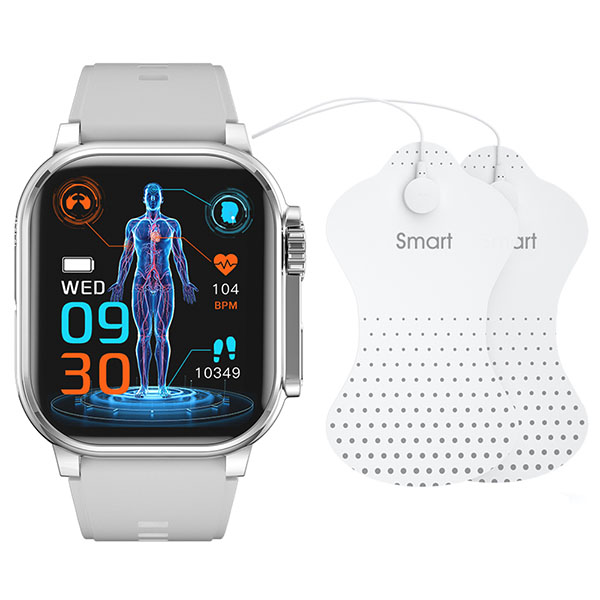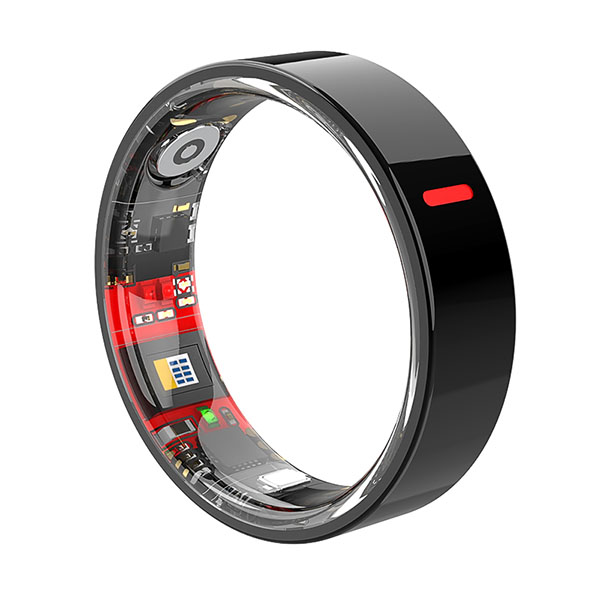
A smartwatch can ship with a beautiful render and a competitive price and still fail in the field. The difference between a category-killer and a return-rate disaster is usually what happens on the production line after assembly: the quality control and testing discipline. For buyers sourcing from a smartwatch manufacturer China partner, understanding smartwatch QC is not optional — it is the only way to hold a factory accountable and protect your brand.
Quality is not an inspection at the end; it is a system built into the manufacturing process. This guide defines the testing stages, the standards, the failure modes, and the documentation you should demand before any shipment leaves the factory.
What Is Smartwatch QC?
Definition: smartwatch quality control is the structured set of incoming, in-process, functional, reliability, and outgoing inspections applied to smartwatch components, sub-assemblies, and finished goods. Effective smartwatch QC verifies that every unit meets agreed specifications for performance, safety, durability, and appearance.
The goal is not zero defects at any cost; it is predictable defect levels, root-cause correction, and consistent conformance to the acceptance quality limit (AQL) agreed in the contract.
Incoming Material Inspection (IQC)
Before any component enters production, the IQC team checks:
● Battery cells: capacity, voltage, protection circuit, UN38.3 test reports, and lot traceability.
● Displays: dead pixels, brightness uniformity, touch responsiveness, and flex-cable integrity.
● PCBs: dimensional tolerance, solder mask quality, and impedance where RF performance matters.
● Sensors: calibration certificates, sample testing against reference instruments, and packaging condition.
● Enclosures and straps: color match, material certificates (RoHS/REACH), dimensional checks, and cosmetic standards.
Catching bad material at intake is 10x cheaper than catching it in a finished unit.
In-Process Quality Control (IPQC)
IPQC monitors the line at critical stages:
● SMT: solder paste inspection, AOI after reflow, and first-article verification.
● PCBA programming: firmware version, MAC address uniqueness, and calibration data.
● Mechanical assembly: torque on screws, gasket seating, display lamination pressure, and button travel.
● Battery installation: polarity, insulation, and protection-circuit function.
The line should stop when a station exceeds its control limits. Factories that "keep running and sort later" create the rework crises that delay launches.
Functional Testing
Every finished unit must pass a functional test station before packaging. Typical tests include:
● Power and charging: current draw, charging curve, and over-voltage protection.
● Display: pixel defects, backlight uniformity, touch coordinate accuracy, and gesture response.
● Touch and buttons: force profile, debounce, and long-press behavior.
● Sensors: PPG heart-rate signal quality, SpO2 baseline, accelerometer axis response, gyroscope, barometer.
● Connectivity: Bluetooth pairing, RSSI, reconnection, and for cellular models, SIM/eSIM registration.
● GNSS: cold-start time, fix accuracy, and satellite count.
● Audio and haptics: speaker, microphone, and vibration motor.
● NFC: payment or access-card emulation where applicable.
Test data should be logged by serial number and retained for warranty analysis.
Reliability and Environmental Testing
A percentage of each lot undergoes stress tests designed to simulate real life:
● Drop test: 1.0-1.5 meter drops onto steel or concrete at multiple orientations.
● Tumble test: repeated random drops for portable durability.
● Vibration test: simulates transport and running/cycling motion.
● Temperature and humidity cycling: -20°C to +60°C and 85% RH exposure.
● Sweat and salt mist: ensures coatings and contacts survive corrosion.
● Waterproof test: 5ATM pressure test, IP67/IP68 submersion, and gasket integrity.
● Battery aging: charge/discharge cycles and storage leakage.
● ESD and surge: contact and air discharge immunity.
Software and Security Testing
The smartwatch testing process includes firmware:
● OTA update verification: signed images, rollback protection, and failure recovery.
● Battery optimization: sleep current, wake latency, and GPS power profile.
● Security: secure boot, encrypted storage, and pairing key exchange.
● Compatibility: iOS and Android notification behavior across major OS versions.
● Localization: language packs, time zones, and regional certifications.
Final Inspection and AQL Sampling
Before shipment, quality staff perform a final visual and functional check using the ANSI/ASQ Z1.4 sampling plan or equivalent. Common practice for consumer electronics:
● Critical defects: 0 allowed (safety, functionality).
● Major defects: AQL 1.0 or 1.5 for appearance and performance.
● Minor defects: AQL 2.5 or 4.0 for cosmetic issues.
You can negotiate tighter AQL limits for premium products or first launches.
Documentation and Traceability
Insist on a factory test report (FTR) and a certificate of conformity for each shipment. Strong suppliers provide:
● Serial-number-level test results.
● Component lot traceability.
● Rework and failure analysis logs.
● Calibration records for test equipment.
● Corrective action reports for deviations.
Root-Cause Analysis and Continuous Improvement
Quality control only creates value when failures lead to corrective action. A mature manufacturer runs weekly quality reviews, pareto-analyzes defect data, and updates control plans based on field returns. Ask for a documented 8D or 5-Why process and evidence that previous corrective actions actually moved defect rates downward.
● Defect tracking by station, batch, and supplier lot to identify systemic issues.
● Weekly pareto charts of top failures with assigned owners and target dates.
● Feedback loop from field returns and customer complaints back to IQC criteria.
● Supplier scorecards that drive component-source decisions.
● Engineering change management with risk assessment before any process adjustment.
Investing in smartwatch quality control early saves far more than it costs. Rework, returns, and reputation damage from a single failed batch can erase the savings of a cheaper quote. Buyers who make QC a shared KPI with their manufacturer see lower field-failure rates, better reviews, and stronger retail relationships over the product lifecycle.
Business Use Cases
● Consumer brand launch: strict AQL 1.0 and drop/waterproof tests protect early reviews.
● Healthcare RPM program: validated sensor accuracy and ISO 13485 process records reduce regulatory risk.
● Corporate wellness program: consistent branding, battery life, and out-of-box experience protect employer brand.
● Industrial safety deployments: MIL-STD-style durability and long-battery testing prevent field failures.
● Retail and distribution: full inspection reports defend against chargebacks and returns.
Frequently Asked Questions
Q: What does AQL mean in smartwatch QC?
A: AQL (Acceptance Quality Limit) is the maximum defective percentage allowed in a sampled lot. AQL 1.0 means no more than 1% major defects are acceptable; AQL 2.5 is common for minor cosmetic issues.
Q: How many units should be tested in a smartwatch production run?
A: Every unit receives functional testing; reliability and environmental tests are sampled per lot or per shift using statistical sampling plans. High-risk launches may require 100% waterproof testing.
Q: What is the biggest cause of smartwatch returns?
A: Battery and charging issues, followed by display defects, water-resistance failures, and firmware instability. A strong QC process targets these four categories aggressively.
Q: Can I request my own testing protocol?
A: Yes, and you should. Define pass/fail criteria, sample sizes, test methods, and reporting formats in your quality agreement before production starts.
Q: Who pays for rework if QC finds defects?
A: Typically the manufacturer absorbs rework costs for defects caused by workmanship or materials. The contract should define responsibility, timeline impact, and cost allocation for each defect category.
Q: How do I audit QC without visiting China?
A: Hire a third-party inspection agency to perform pre-shipment inspection at the factory, review test reports and serial-number logs via video, and require daily production and QC photos.
Quality control is where brand reputation is actually manufactured.
Geyan Technology is a professional smartwatch OEM/ODM manufacturer with 15+ years of experience, UI/APP customization, in-house PCB and hardware development, and global clients who rely on our disciplined QC and testing processes. Request a sample, review our test protocols, and build a smartwatch program that performs as well in the field as it does in the marketing deck.