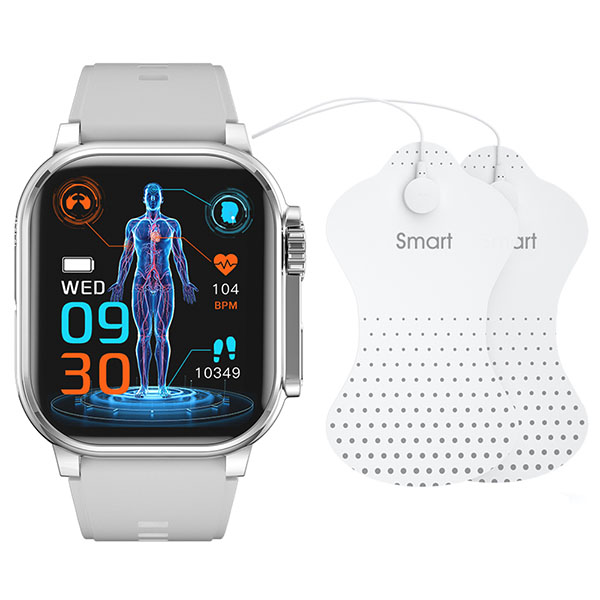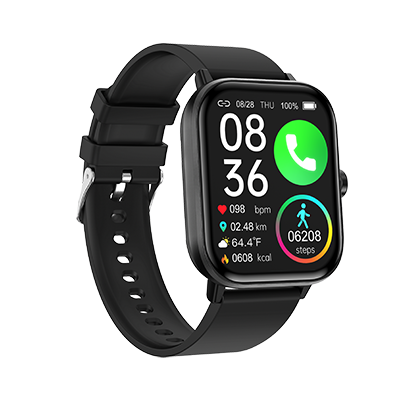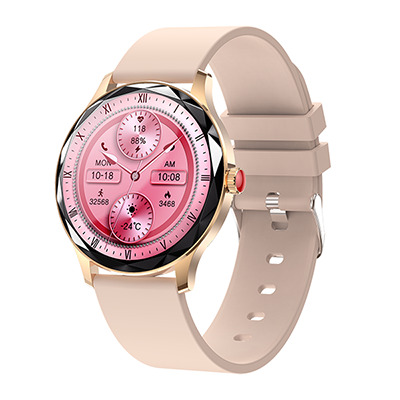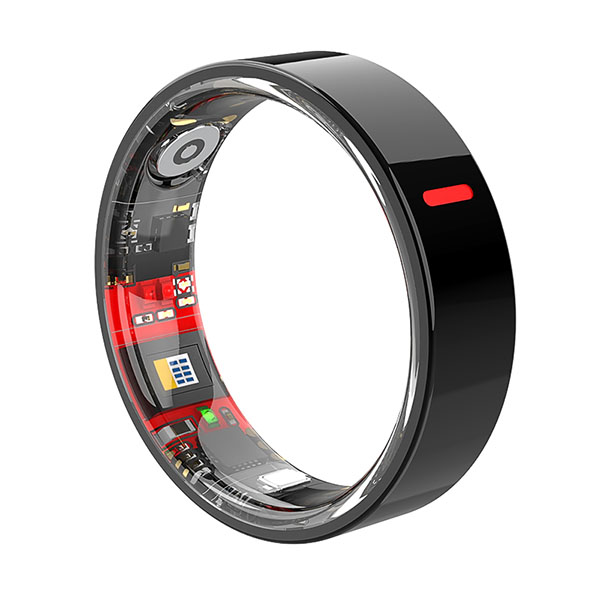
With the deep integration of consumer electronics and healthcare technologies, smart wearable devices are experiencing rapid growth. Among them, smart skin electronic patches have quickly become a key innovation platform in sports health management, chronic disease monitoring, and medical diagnostics, thanks to their flexible adhesion, non-invasive monitoring, and real-time feedback capabilities.
According to industry data, the global smart skin patch market is expanding at an annual growth rate of over 25%, attracting a large number of startups entering the space. However, startups are often constrained by team size, technical expertise, and resource integration capabilities. As a result, they face multiple unavoidable challenges throughout the journey from product concept to large-scale production. This is where professional ODM (Original Design Manufacturing) services have become a critical solution.
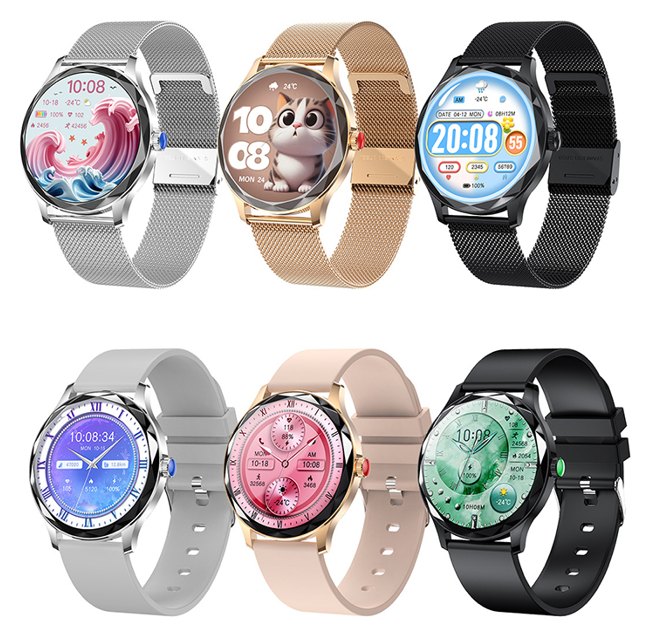
While startups typically excel at product innovation and application scenarios, transforming conceptual ideas into commercially viable products requires expertise across electronic engineering, material science, regulatory compliance, and supply chain management. Any weakness in these areas can stall project progress.
The development of smart skin patches involves multidisciplinary collaboration. Due to limited resources, startups commonly encounter four major challenges:
Many startup teams are highly innovative and capable of creating visually impressive product prototypes. However, they often lack the engineering capability to transform concepts into manufacturable products. Most design prototypes only demonstrate form factors but fail to address critical issues such as circuit integration, power consumption, and skin compatibility. As a result, projects remain stuck at the conceptual stage and struggle to move into testing and commercialization.
Smart skin patches rely on high-precision sensors, flexible PCBs, low-power chipsets, and biocompatible materials. Selecting and integrating these components requires collaboration across multiple technical domains. Startups often lack established supplier networks, making it difficult to identify cost-effective vendors. Compatibility issues between components may lead to unstable product performance, while small-batch procurement typically results in higher costs and longer lead times.
If smart skin patches involve health monitoring or medical assistance features, they must meet strict regulatory standards. For example:
· Biocompatibility testing (ISO 10993)
· Electromagnetic compatibility certification (EMC)
· Medical quality management certification (ISO 13485)
· Market access approvals such as NMPA (China) or CE MDR (Europe)
Startups often lack regulatory expertise, which can result in costly redesigns or failure to obtain market approval.
Smart skin patch development requires multiple prototype iterations, performance testing, and reliability validation. Without structured development processes, startups frequently fall into repeated cycles of redesign and trial production. Each iteration consumes significant resources and extends development timelines, increasing the risk of missing market opportunities or exhausting funding.
To address these technical, regulatory, and operational challenges, professional ODM partners provide comprehensive services covering the entire product lifecycle—from concept evaluation to mass production delivery. This enables startups to seamlessly transform ideas into market-ready products while reducing development risks, shortening timelines, and improving product success rates.
Key ODM service modules include:
ODM teams collaborate closely with startups to define product functionality, target applications, user profiles, and budget constraints. Through technical review workshops, product concepts are evaluated from four key perspectives:
· Technical feasibility
· Market competitiveness
· Regulatory risks
· Cost controllability
Based on industry insights and comparable product experience, ODM providers offer optimization recommendations to eliminate early design flaws and ensure practical implementation.
ODM partners typically adopt a modular development strategy, dividing product development into three core modules: electronic systems, firmware/software, and material solutions. Parallel development improves efficiency and simplifies future upgrades.
Customized PCB layout design, sensor integration, and power management solutions are developed based on product requirements. For smart skin patches, engineers focus on miniaturization and flexibility while selecting low-power, cost-effective components. Sensor calibration and signal interference suppression are optimized to ensure stable system performance.
Professional embedded software teams build tailored operating systems, core algorithms, and wireless communication protocols such as BLE and Wi-Fi. This enables seamless data collection, processing, and transmission. Cross-platform compatibility with mobile applications and cloud platforms ensures real-time monitoring and data tracking capabilities.
ODM partners provide medical-grade material selection and customization services to ensure safety and comfort during skin contact. Available options include breathable medical silicone, flexible textiles, and biocompatible hydrogels. Materials undergo rigorous skin irritation and ISO 10993 biocompatibility testing to meet medical-grade standards while ensuring long-term wearability and durability.
Using rapid prototyping methodologies, ODM manufacturers leverage in-house workshops and testing facilities to produce functional prototypes quickly. After prototype delivery, startups can conduct user testing and performance validation. ODM teams then refine designs based on feedback, accelerating MVP (Minimum Viable Product) deployment and enabling early market validation.
Once prototype validation is completed, ODM partners support full production readiness. This includes:
· Establishing stable supply chains and integrating premium supplier resources
· Reducing component costs through consolidated procurement
· Optimizing manufacturing processes such as SMT assembly and flexible device assembly
· Managing regulatory certification processes, including ISO 13485, CE MDR, and NMPA approvals
These services ensure compliant and efficient product commercialization.
A startup focused on sports health monitoring aimed to develop a flexible skin patch capable of real-time heart rate, blood oxygen, and exercise intensity tracking. However, independent development efforts encountered major challenges, including inaccurate sensor data, limited battery life, and poor wearing comfort.
By partnering with a professional ODM provider, the company completed prototype optimization and production preparation within six months.
ODM engineers implemented multi-modal sensor fusion technology by integrating optical heart rate sensors, accelerometers, and SpO₂ sensors. Proprietary algorithms improved signal accuracy, achieving:
· Heart rate accuracy: ±2 BPM
· Blood oxygen accuracy: ±1%
Power management optimization extended battery life from two days to seven days.
ODM engineers developed an ultra-thin flexible circuit board (0.1 mm thickness) combined with breathable medical hydrogel adhesive. This allowed secure skin adhesion while maintaining flexibility during physical activity. User testing showed an 80% improvement in wearing comfort with minimal skin irritation.
Leveraging extensive regulatory experience, the ODM partner assisted with documentation preparation and coordination with certification agencies. ISO 13485 and CE MDR certifications were completed within three months—approximately 40% faster than industry averages—allowing early entry into the European sports health market.
Selecting the right ODM provider is critical for startup success. Key evaluation criteria include:
Choose ODM providers offering full lifecycle services, including concept validation, prototyping, production, and certification support. Post-launch technical support is also essential for continuous product upgrades.
Prioritize partners with proven experience in wearable and medical device development. Experienced ODM teams understand technical challenges, regulatory requirements, and supply chain complexities.
Ensure the ODM provider offers strong intellectual property protection, including NDA agreements, encrypted data management, and internal confidentiality policies.
Startups should seek ODM providers offering phased development options, allowing concept validation and prototype development before committing to mass production, reducing financial risk.
If you have an innovative smart skin patch concept but face challenges in execution, professional ODM services can help accelerate your product commercialization.
We welcome you to submit your project requirements through our website. We provide three core support services:
· Free technical consultation and feasibility evaluation
· Confidential requirement analysis under NDA protection
· Customized product development roadmap with transparent milestones
The wearable technology market is evolving rapidly. Partnering with a professional ODM provider can help you capture emerging opportunities and turn your innovation into a successful commercial product.
Let’s work together to shape the future of wearable technology.