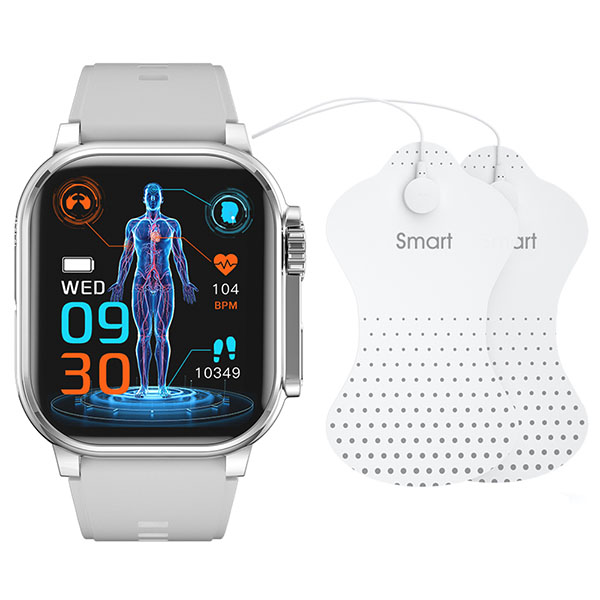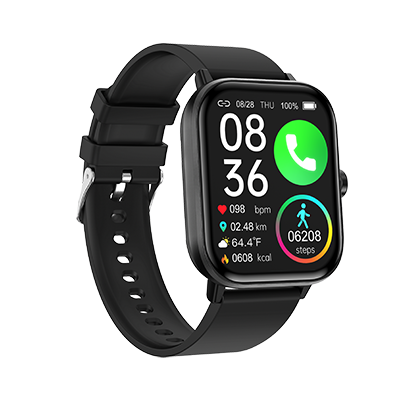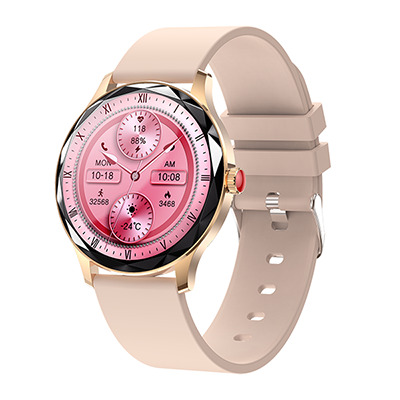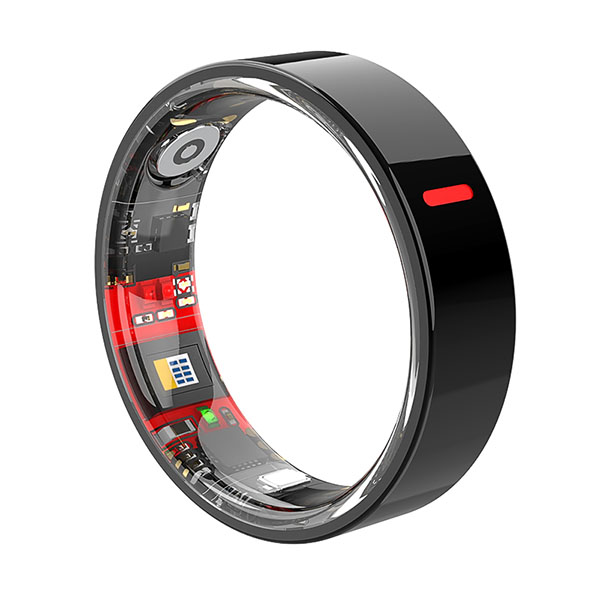
In today’s fast-paced American lifestyle, smartwatches have evolved far beyond mere fashion accessories—they’ve become essential tools for health management, fitness motivation, and seamless daily connectivity. Whether you’re a marathon runner tracking split times, a busy professional juggling back-to-back Zoom calls, or someone proactively managing chronic health conditions, the right smartwatch can integrate effortlessly into your routine.
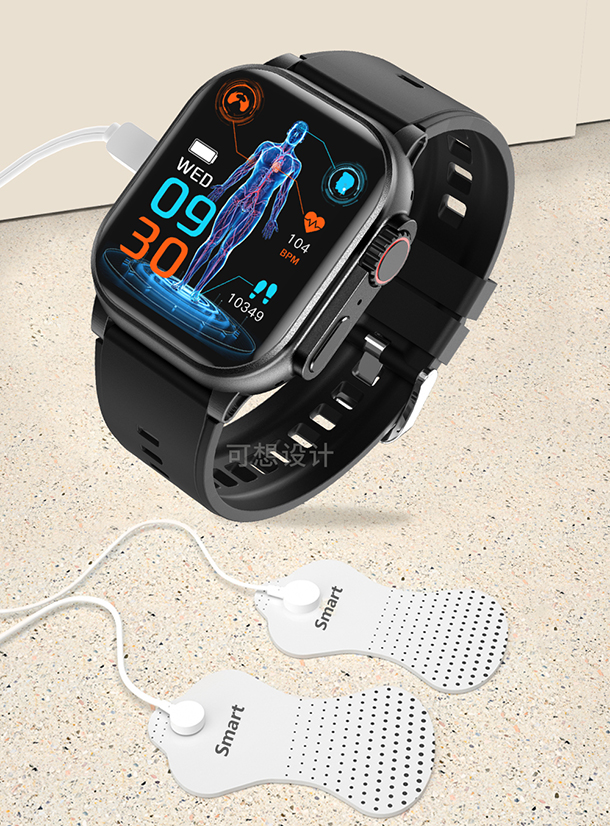
With 2025 bringing breakthroughs in sensor accuracy, battery efficiency, and ecosystem integration, the U.S. smartwatch market is more competitive—and more capable—than ever. But with so many options, how do you choose the one that truly fits your needs? This guide cuts through the noise to highlight what matters most to American users and delivers our top recommendations across key categories.
Why Smartwatches Are Essential for Modern American Life
The U.S. wearable tech market is projected to surpass $20 billion by 2025, fueled by rising health consciousness, remote work trends, and demand for always-on connectivity. Today’s smartwatches function as portable health hubs, personal coaches, and communication centers—all on your wrist.
According to Amazon sales data and consumer surveys, American buyers consistently prioritize three core features:
Secondary but equally important factors include compatibility with iOS or Android, water resistance, contactless payments (Apple Pay/Google Pay), and overall value for money.
Key Features to Prioritize in 2025
1. Advanced Health Monitoring: Beyond Heart Rate
Gone are the days when “heart rate tracking” was enough. In 2025, leading smartwatches offer clinical-grade biosensors that deliver meaningful health data:
Privacy Tip: Under regulations like the California Consumer Privacy Act (CCPA), choose brands that encrypt health data end-to-end and provide clear privacy policies. Your biometric data is sensitive—treat it like your Social Security number.
2. Fitness Tracking: Built for Real American Lifestyles
From morning jogs in Brooklyn to weekend trail runs in Colorado, Americans engage in diverse physical activities. Your watch should adapt accordingly.
Look for:
Pro Insight:
· Runners: Garmin’s Forerunner series offers advanced metrics like VO₂ max, training load, and stride length.
· Outdoor adventurers: Look for offline maps, emergency SOS, and solar charging (e.g., Garmin Epix, Coros Vertix).
· Yoga & HIIT enthusiasts: Ensure your watch detects rep counts and auto-pauses during rest intervals.
3. Battery Life: Freedom from the Charger
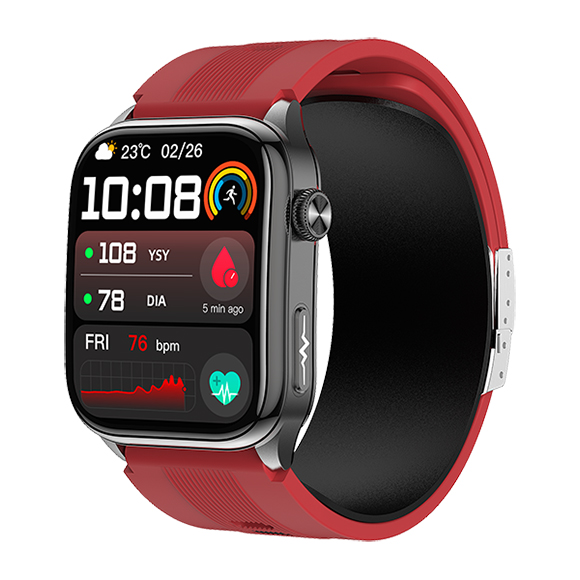
Nothing kills convenience like nightly charging. In 2025, battery performance varies widely:
|
Category |
Typical Battery Life |
Fast Charging |
|
Premium (e.g., Apple Watch) |
18–24 hours |
0–80% in ~45 min |
|
Mid-range (e.g., Samsung Galaxy Watch) |
2–3 days |
0–50% in 15 min |
|
Budget/Long-life (e.g., Amazfit, QONBINK) |
7–14 days |
Varies |
Smart Tip: Always check “typical use” battery claims—not “basic mode.” A watch advertising “14-day battery” might only achieve that with GPS off, heart rate disabled, and no notifications.
4. Ecosystem Compatibility & Daily Convenience
Your smartwatch should enhance your smartphone—not fight it.
Top Smartwatch Recommendations for U.S. Users in 2025
Premium Pick: Apple Watch Series 10 (GPS + Cellular)
Best for: iPhone users who want the
ultimate blend of health, style, and connectivity
Price: From $507.99 (Cellular model)
Highlights:
Ideal if you live in the Apple ecosystem and prioritize reliability over battery life.
Best Value: QONBINK L70
Best for: Budget-conscious users
seeking core smartwatch features
Price: Just $19.99
Highlights:
A remarkable entry-level option—perfect for teens, seniors, or first-time smartwatch buyers.
Fitness Focus: Garmin Forerunner 965
Best for: Serious runners,
triathletes, and endurance athletes
Price: $599.99
Highlights:
The gold standard for performance athletes who need data-driven insights.
Common Smartwatch Mistakes to Avoid
Final Thoughts: Find Your Perfect Match
The best smartwatch isn’t the most expensive—it’s the one that aligns with your lifestyle, budget, and smartphone.
As 2025 unfolds, smartwatches will continue pushing boundaries—longer batteries, smarter AI health alerts, and deeper clinical partnerships. But for now, focus on what truly enhances your day: accurate health insights, reliable fitness tracking, and the freedom to stay connected without constant charging.
Your perfect wrist companion is out there. Choose wisely—and wear it well.