The era of AI has arrived, the smartwatch has evolved far beyond its origins as a simple timekeeping device. Today, it serves as a multifunctional “digital hub on the wrist,” integrating health monitoring, fitness tracking, AI-powered insights, mobile payments, and seamless connectivity. As the world’s largest producer and exporter of wearable devices, China has cemented its leadership in this high-growth sector—thanks to its mature supply chain, rapid R&D cycles, and highly flexible customization capabilities.
According to IDC’s Worldwide Quarterly Wearable Device Tracker (Q1–Q3 2025), China shipped 58.43 million smartwatches in the first three quarters of 2025—a remarkable 27.6% year-over-year increase, significantly outpacing the global average growth rate of 12.3%. Behind these numbers lies the relentless innovation and operational excellence of hundreds of Chinese smartwatch manufacturers, who are transforming “Made in China” into “Designed and Engineered in China.”
China’s smartwatch industry is characterized by strong regional clustering, with the Pearl River Delta (PRD)—particularly Shenzhen—serving as the undisputed heart of global wearable manufacturing. This region hosts a complete ecosystem: from semiconductor design and sensor fabrication to flexible display production, battery assembly, precision molding, final integration, and software development.
Within this innovation-rich environment, a new generation of companies has emerged—firms that combine deep technical expertise with global market insight. Shenzhen Genyan Technology Co., Ltd. (hereafter “Genyan Technology”) stands out as a prime example. Founded in 2012, Genyan has spent over 15 years specializing in smart wearables and has grown into a National High-Tech Enterprise offering end-to-end capabilities in R&D, industrial design, manufacturing, sales, and after-sales support.
As a founding member and standing committee unit of both the China Smart Wearables Industry Association and the Chip Industry Promotion Alliance, Genyan plays an active role in shaping industry standards. Guided by its core philosophy—“Learn, Innovate, Surpass”—the company has launched multiple successful brands, including Jersa, Genyan Xin’an, and Jieshilang, all centered on delivering high-value, customer-driven solutions.
In a market saturated with look-alike products and fierce price competition, how can a manufacturer stand out? Genyan’s answer is clear: become a strategic partner, not just a supplier.
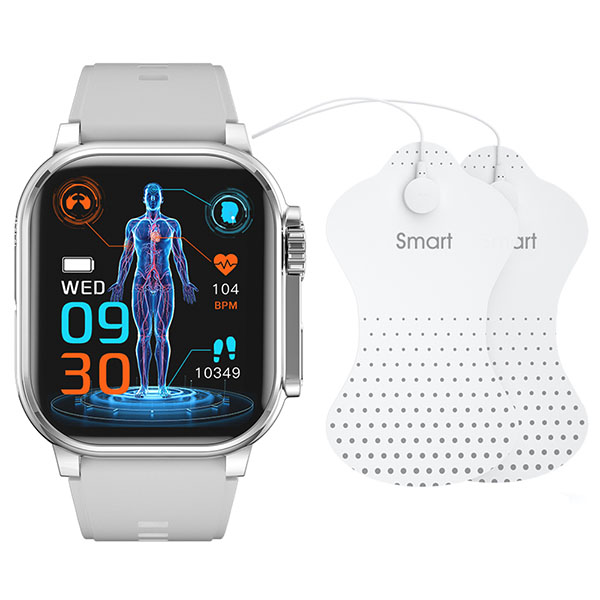
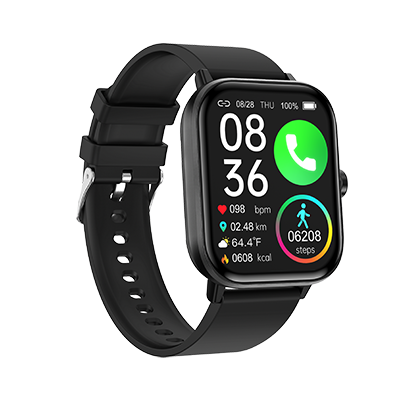
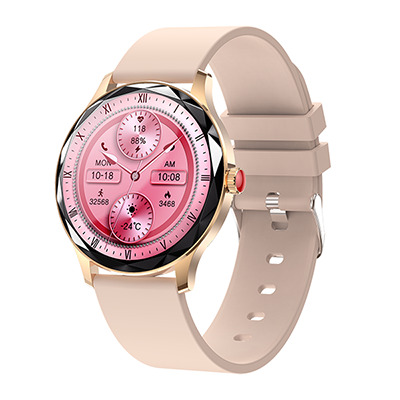
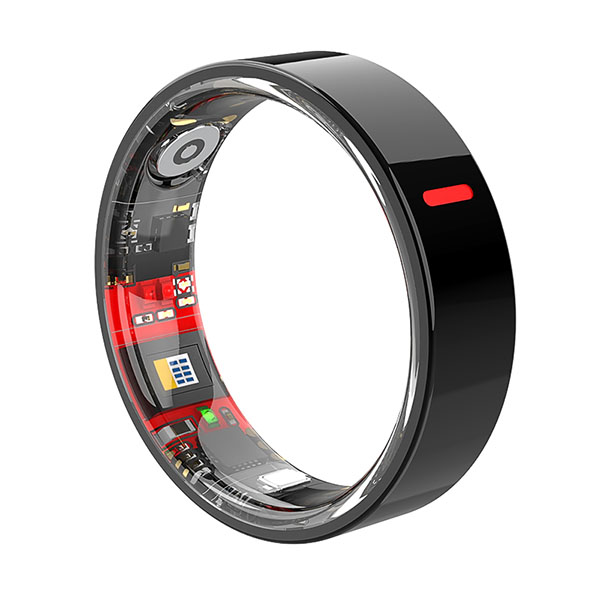
Unlike many Chinese smartwatch manufacturers that focus solely on large-scale OEM production, Genyan has built a dual-engine business model: standardized product lines + deep customization services. Its portfolio spans four key segments:
What truly sets Genyan apart is its full-stack customization capability. Clients can personalize everything—from logo engraving and strap materials to PCB redesign, sensor selection, UI/UX interfaces, companion mobile apps, and even private cloud backend systems. This end-to-end flexibility allows Genyan to serve both mass-market brands and niche players, handling orders as small as 100 units while maintaining quality, speed, and cost efficiency—capabilities rarely found among typical contract manufacturers.
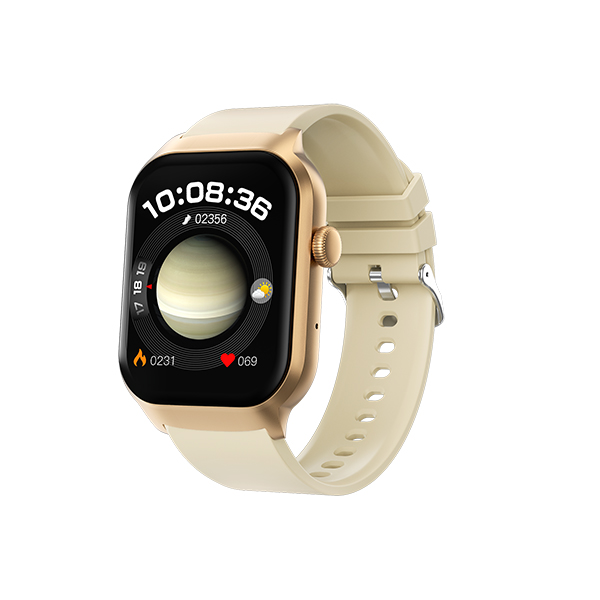
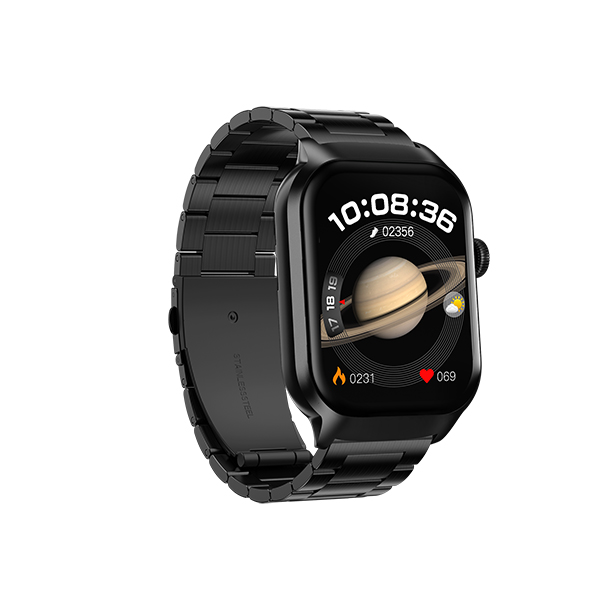
To illustrate the competitive landscape, we compare Genyan’s latest Smart Health & Sports Watch against two leading models: Huawei WATCH D2 (focused on medical-grade blood pressure) and SKG S7 Premium (targeting elderly health monitoring):
|
Feature |
Genyan Smart Health & Sports Watch |
Huawei WATCH D2 |
SKG S7 Premium |
|
Health Monitoring |
Heart rate, SpO₂, blood pressure trend, sleep, non-invasive glucose estimation, HRV, METs, menstrual tracking — comprehensive daily wellness suite |
Oscillometric BP (Class II medical device), 12-lead ECG, vascular health assessment |
Heart rate, BP trend, HRV, AI-powered stroke risk alert (co-developed with top-tier hospitals) |
|
Battery Life |
300mAh: 5–7 days active use, 20+ days standby; magnetic fast charge (3–4 hrs) |
524mAh: 5–7 days; supports wireless charging |
400mAh: up to 9 days; magnetic charging |
|
Use Case Fit |
1ATM water resistance, high-precision compass, 50+ sport modes — ideal for urban commuters & light outdoor use |
IP68 (50m), dual-frequency GNSS, seamless HarmonyOS integration |
IP68, 128 sport modes, but no standalone GPS; optimized for home-based senior care |
|
Key Advantage |
Balanced feature set, strong value proposition, full customization support |
Medical-grade accuracy, deep ecosystem synergy, premium positioning |
Proactive health alerts, built-in eSIM for 4G calling without phone |
While Huawei excels in clinical precision and SKG dominates the senior care segment, Genyan prioritizes versatility and adaptability. Rather than chasing peak performance in one area, it offers a modular, configurable platform that empowers brands to tailor functionality to their target audience—making it the go-to partner for startups, cross-border e-commerce sellers, and regional distributors worldwide.
When selecting a Chinese smartwatch manufacturer, decision-makers often face critical questions. Here are evidence-based answers:
Focus on three pillars:
Genyan, for instance, operates a Class 10,000 cleanroom and a CNAS-accredited lab, subjecting every unit to 72-hour thermal cycling, drop tests, and salt spray exposure before shipment.
Top-tier manufacturers like Genyan have lowered barriers significantly:
In contrast, traditional factories often require 1,000+ units and offer limited customization options.
Consumer-grade devices are designed for trend tracking and early warning, not clinical diagnosis. Reputable manufacturers keep heart rate and SpO₂ errors within ±3%, and blood pressure trends within ±5 mmHg. For medical-grade accuracy, look for NMPA Class II certification—Genyan can assist partners in obtaining such approvals.
Three compelling advantages:
As AI, non-invasive biosensors, and solid-state batteries mature, smartwatches are entering an era of proactive, personalized health management. According to Qichacha, China now hosts 126,800+ smart wearable-related enterprises—a 24.15% year-over-year increase in 2025—signaling a shift toward high-quality, innovation-driven competition.
Forward-looking manufacturers like Genyan are already adapting:
The future of China’s smartwatch industry is no longer just about volume—it’s about setting standards, enabling ecosystems, and empowering global brands.