As global populations continue to age, the number of patients with chronic diseases is steadily increasing. At the same time, the rapid integration of 5G technology and the Internet of Things (IoT) is transforming the healthcare landscape. Telemedicine is no longer just a supplementary service but is gradually becoming a core component of modern healthcare systems worldwide.
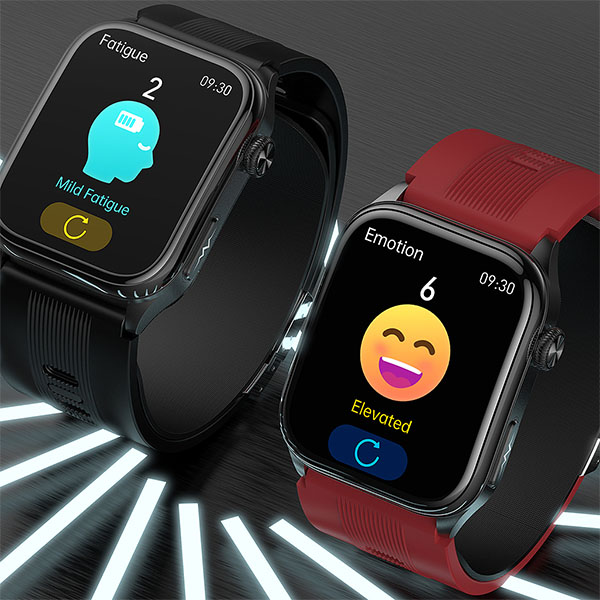
Among the many digital healthcare solutions, Remote Patient Monitoring (RPM) has emerged as one of the most important innovations. By enabling continuous monitoring, eliminating geographical barriers, and reducing healthcare costs, RPM is being widely adopted by hospitals, healthcare providers, and digital health platforms. It has become a key solution for addressing global healthcare challenges such as limited medical resources, rising treatment costs, and the need for accessible healthcare services.
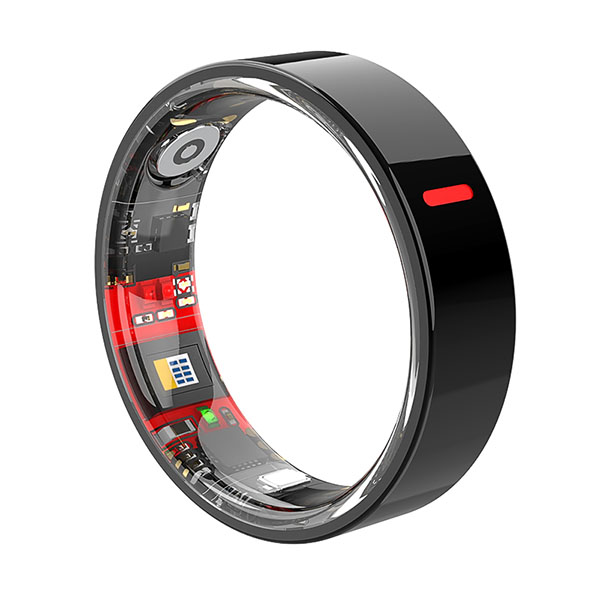
Healthcare providers increasingly require devices capable of continuous, accurate, and long-term health monitoring, and wearable technology has proven to be an ideal solution. With advantages such as portability, ease of use, and continuous data collection, wearable devices have become the core hardware infrastructure of RPM systems.
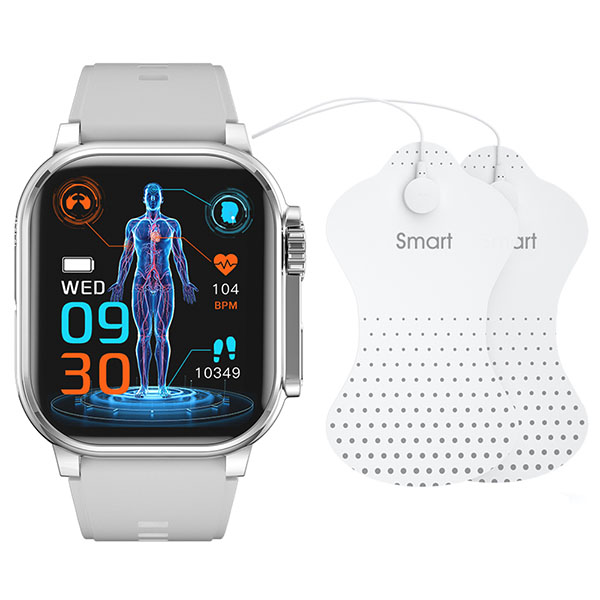
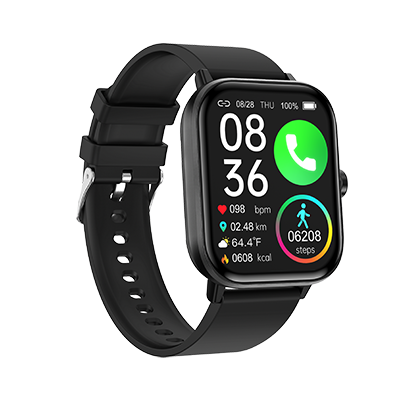
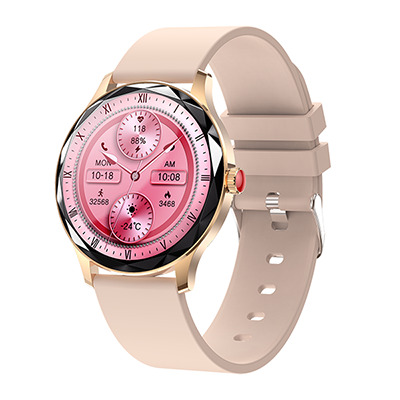
Among these devices, the medical smartwatch has become one of the most preferred solutions for remote patient monitoring programs. Unlike consumer smartwatches, medical-grade smartwatches undergo strict clinical validation and regulatory certification to ensure data accuracy, stability, and security. They also offer comfortable wearability, long battery life, and high levels of functional integration, making them suitable for long-term use by patients of different ages and health conditions.
For healthcare institutions, digital health platforms, and telemedicine providers, a reliable remote patient monitoring watch enables doctors to track patient health conditions in real time, detect potential risks early, and optimize treatment plans. At the same time, it reduces hospital visits, lowers hospitalization rates, and decreases healthcare expenditures. Ultimately, these technologies support the transformation of healthcare from reactive treatment to proactive prevention.
1. What is Remote Patient Monitoring (RPM)
Remote Patient Monitoring (RPM) is a patient-centered healthcare model powered by digital technology. It enables healthcare providers to remotely collect, analyze, and monitor patients' physiological data using medical-grade wearable devices and connected monitoring equipment.
Through these devices, patient health data can be continuously collected and automatically transmitted to cloud-based platforms, where healthcare professionals can access and analyze the information in real time. Based on these insights, doctors can provide medical guidance, adjust treatment plans, and intervene when necessary.
In traditional healthcare systems, patients must frequently visit hospitals for routine check-ups. This process can be time-consuming and may delay the detection of health abnormalities. In contrast, RPM allows patients to stay at home while wearing monitoring devices such as medical smartwatches. These devices automatically collect daily health data—from heart rate and blood oxygen levels to ECG signals and sleep quality.
The collected data is uploaded to cloud platforms to form a comprehensive digital health record. Doctors can review patient health trends via web dashboards or mobile applications without requiring in-person visits. If abnormal readings occur, healthcare providers can immediately contact the patient and initiate medical intervention, greatly improving the efficiency and responsiveness of healthcare services.
Common physiological parameters monitored by RPM systems include:
Heart Rate
An essential indicator of cardiovascular health, helping detect conditions such
as tachycardia or bradycardia.
Blood Oxygen (SpO₂)
Measures oxygen saturation levels in the blood, which reflect respiratory
function and overall oxygen supply.
Electrocardiogram (ECG)
Records the electrical activity of the heart and helps detect arrhythmias such
as atrial fibrillation.
Sleep Quality
Analyzes sleep duration and sleep stages (light sleep, deep sleep, REM), supporting
the management of sleep disorders.
Physical Activity
Tracks daily steps, exercise intensity, and activity duration to evaluate
physical fitness and rehabilitation progress.
Fall Detection
Identifies falls in elderly or vulnerable individuals and triggers emergency
alerts to reduce injury risks.
RPM technology is widely used in various healthcare scenarios, including:
According to industry forecasts, the global digital healthcare market is expected to reach $1.5 trillion by 2030, with RPM representing one of the fastest-growing segments.
2. Core Functions of a Medical Smartwatch
The key advantage of a medical smartwatch lies in its ability to deliver accurate, stable, and continuous health monitoring. Compared with consumer-grade devices, medical smartwatches use professional sensors and clinically validated algorithms to reduce data errors and ensure reliable health tracking.
Below are the most essential features in remote patient monitoring applications.
Heart Rate Monitoring
Heart rate monitoring is one of the most fundamental functions of a medical smartwatch and a key health indicator within RPM systems.
The heart rate reflects the condition of the cardiovascular system. Abnormal heart rhythms such as tachycardia or bradycardia may indicate underlying heart problems that require medical attention.
Medical smartwatches typically use PPG (photoplethysmography) optical sensors, which emit green LED light through the skin and measure changes in blood flow to calculate heartbeats. Clinical validation generally keeps measurement errors within ±5% under resting conditions.
Unlike traditional devices, smartwatches provide 24/7 continuous monitoring, capturing heart rate during rest, exercise, sleep, and emotional stress. This continuous data creates a comprehensive trend chart that helps doctors better understand a patient’s cardiovascular condition.
Many devices also feature heart rate abnormality alerts, which notify both patients and healthcare providers when readings exceed preset thresholds.
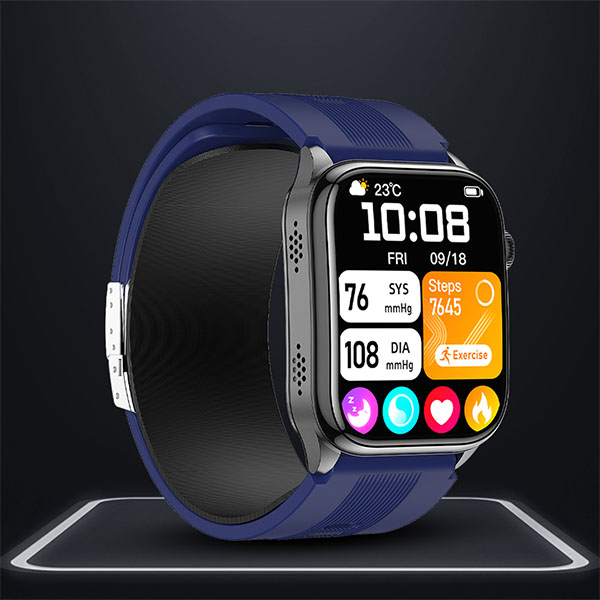
Blood Oxygen Monitoring (SpO₂)
SpO₂ represents the percentage of oxygenated hemoglobin in the blood and is an important indicator of respiratory health.
Medical smartwatches measure SpO₂ using dual-wavelength optical sensors, combining red and infrared light to calculate oxygen saturation levels.
Continuous blood oxygen monitoring is especially useful for:
However, it should be noted that wearable SpO₂ measurements are most reliable in normal ranges (95–100%) under resting conditions. Extremely low oxygen levels or poor circulation may reduce accuracy, and readings should always be interpreted alongside clinical data.
ECG Monitoring
Electrocardiography (ECG) measures the electrical activity of the heart and is essential for diagnosing heart rhythm disorders.
Medical smartwatches with ECG capabilities use integrated electrodes within the watch body or crown. When users touch the electrode, a circuit is formed, allowing the device to record a single-lead ECG signal.
Although it cannot replace hospital-based 12-lead ECG systems, smartwatch ECG monitoring is effective for detecting conditions such as:
These devices provide valuable long-term monitoring that helps doctors identify intermittent heart abnormalities that may otherwise go undetected.
Fall Detection
Falls are a major health risk among elderly individuals. Studies indicate that over 30% of adults aged 65+ experience at least one fall each year, often leading to severe injuries.
Medical smartwatches equipped with accelerometers and gyroscopes can detect sudden changes in movement and posture associated with falls.
When a fall is detected, the system may:
This function significantly improves safety in elderly care and home healthcare scenarios.
3. Medical Device Certification
Healthcare is a highly regulated industry, and medical devices must meet strict standards to ensure safety, reliability, and data security.
Common certifications for medical smartwatches include:
FDA Certification (USA)
Medical devices sold in the U.S. must comply with FDA regulations. Medical
smartwatches are typically classified as Class II medical devices,
requiring 510(k) clearance.
CE Medical Certification (Europe)
Devices entering the EU market must comply with the Medical Device
Regulation (MDR) and obtain CE marking.
ISO 13485
An international quality management system standard specifically designed for
medical device manufacturers.
HIPAA Compliance
Ensures the security and privacy of patient health data in the United States.
Obtaining these certifications ensures that devices meet global healthcare standards and builds trust among healthcare providers.
4. Application Scenarios of Medical Smartwatches
Medical smartwatches are widely used across multiple healthcare scenarios.
Chronic Disease Management
Continuous monitoring allows doctors to track long-term health trends for patients with conditions such as hypertension, diabetes, and cardiovascular diseases.
Telemedicine Platforms
Smartwatches act as data collection terminals that integrate with telehealth platforms, enabling remote diagnosis and intervention.
Elderly Health Monitoring
Features like fall detection, emergency SOS calls, and vital sign monitoring make smartwatches ideal for senior care.
Post-Surgery Recovery Monitoring
Patients recovering from surgery can be monitored at home while doctors track recovery progress through continuous data analysis.
5. Geyan Technology Medical Smartwatch Solution
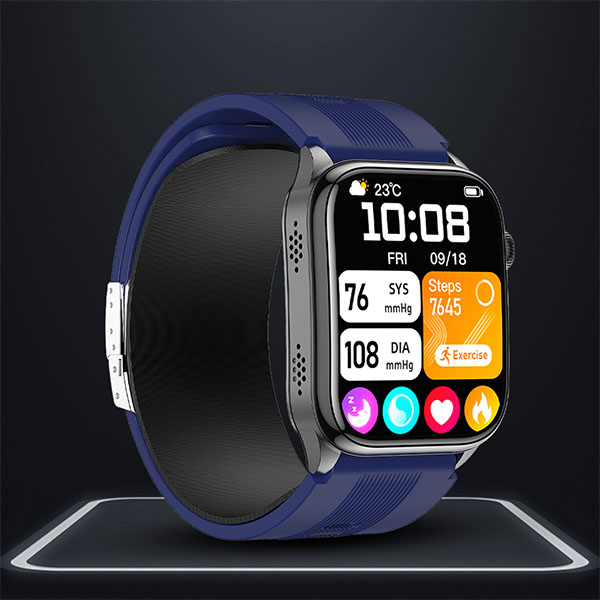
Geyan Technology is a high-tech company specializing in the development and manufacturing of smart wearable devices. With years of industry experience, the company provides professional OEM/ODM medical smartwatch solutions for healthcare providers, digital health platforms, and telemedicine companies worldwide.
Geyian’s medical smartwatch solutions support key RPM features such as:
The company offers full customization services, including:
Hardware Development
Software Development
Through its flexible OEM/ODM services, Geyan enables clients to quickly launch medical-grade wearable products for remote patient monitoring applications.
Conclusion
As telemedicine continues to expand, the global healthcare industry is undergoing a major transformation. The medical smartwatch has become a critical component of Remote Patient Monitoring systems, serving as a bridge between patients and healthcare providers.
By enabling continuous health monitoring, real-time data transmission, and intelligent health analysis, medical smartwatches help healthcare institutions improve patient management, reduce healthcare costs, and deliver more accessible medical services.
With the ongoing integration of 5G, artificial intelligence, and IoT technologies, medical smartwatches will continue to evolve—offering more precise monitoring, smarter alerts, and deeper integration with healthcare systems.
For companies entering the digital health market, partnering with experienced wearable device manufacturers like Geyan Technology can significantly shorten product development cycles and accelerate market entry, allowing businesses to seize opportunities in the rapidly growing RPM industry