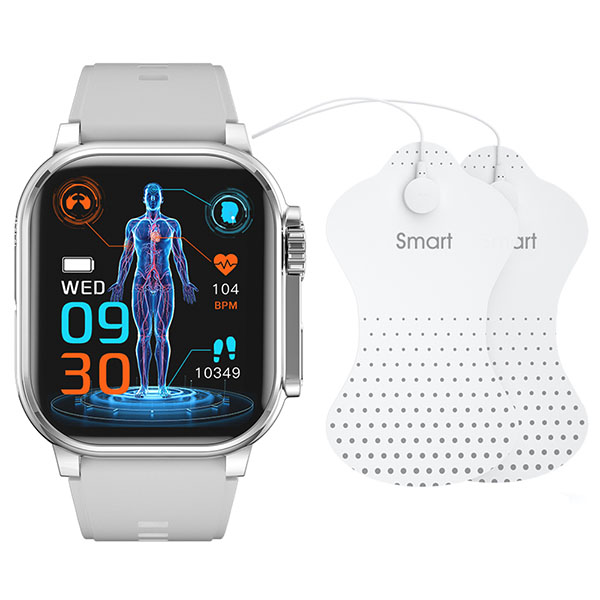
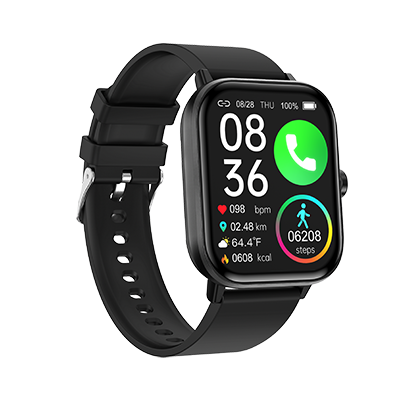
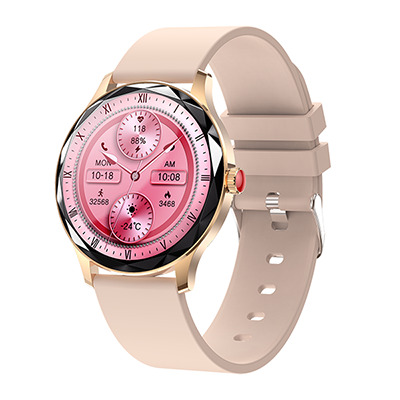
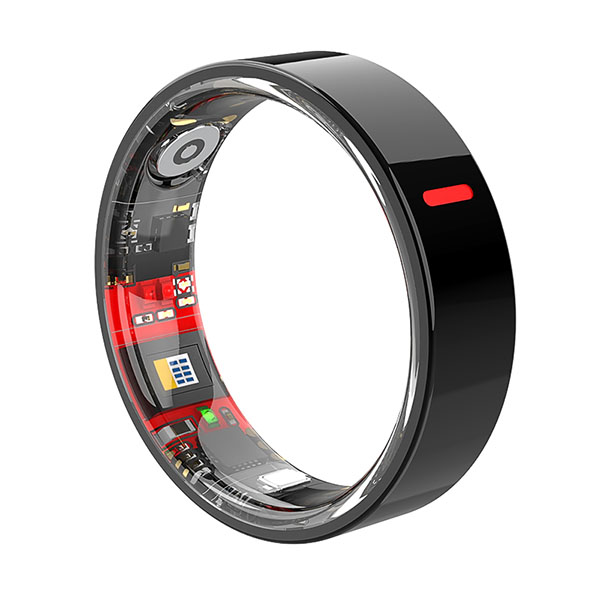
In the booming global smartwatch market, brands of all sizes are seeking ways to stand out in a crowded landscape. For most, partnering with a reliablesmartwatch OEM manufacturer has become the key to turning innovative ideas into market-ready products. Unlike building an in-house production line, which requires massive investment in equipment, labor, and technology, OEM cooperation allows brands to focus on their core strengths—marketing, brand building, and customer service—while leaving the complex manufacturing process to professional experts. This article will guide you through the core reasons for choosing OEM, the key evaluation criteria, common pitfalls to avoid, the advantages of Chinese OEM manufacturers, and a real-case example to help you make an informed decision when selecting a smartwatch factory or smartwatch supplier.
1. Why Brands Choose Smartwatch OEM Manufacturing
The decision to partner with a smartwatch OEM manufacturer is driven by practical needs and strategic considerations, especially for brands looking to gain a competitive edge without overextending their resources. Here are the core reasons why OEM has become the preferred choice for most smartwatch brands:
First, cost efficiency is a primary driver. Building a full-scale smartwatch production line involves high upfront costs, including purchasing SMT equipment, setting up cleanrooms, hiring skilled technicians, and managing supply chains for components like sensors, displays, and chips. An experienced smartwatch OEM manufacturer already has these resources in place, allowing brands to reduce capital expenditure and allocate funds to more critical areas like R&D and marketing.
Second, OEM manufacturers bring professional expertise and mature production capabilities. Smartwatch production requires precision in hardware assembly, software integration, and quality control—areas where specialized smartwatch factory teams have years of experience. This expertise ensures that products meet industry standards and customer expectations, reducing the risk of defects and product recalls.
Third, flexibility and speed to market are crucial in the fast-paced smartwatch industry. Trends shift rapidly, from health monitoring features to design aesthetics, and brands need to iterate products quickly to stay relevant. A reliable smartwatch supplier can adapt to changing requirements, offer flexible production volumes, and accelerate the time from product design to market launch—often in a fraction of the time it would take for a brand to produce in-house.
Finally, customization support aligns with brands’ unique needs. Many brands prioritize customization to differentiate their products, and top OEM manufacturers offer tailored solutions, from hardware configuration (e.g., sensor types, battery capacity) to software UI/UX design. This allows brands to create products that reflect their brand identity and cater to specific target audiences, such as fitness enthusiasts, elderly users, or children.
2. 5 Key Factors to Consider When Choosing a Smartwatch OEM Manufacturer
When evaluating potential smartwatch OEM manufacturer, brands should focus on five core factors—factory capability, R&D capability, certification capability, MOQ (Minimum Order Quantity), and software support—as these directly determine the quality, reliability, and success of the partnership. These factors also align with the key concerns of most brands: production capacity, customization capability, and international certification.
2.1 Factory Capability
Factory capability is the foundation of reliable production, as it directly impacts product quality, production efficiency, and delivery timelines. A qualified smartwatch factory should have a well-equipped production facility, including advanced SMT assembly lines, cleanrooms for precision manufacturing, and automated testing equipment. It’s essential to verify the factory’s production scale—such as monthly output capacity—to ensure it can meet your brand’s current and future demand, whether you’re a startup with small orders or an established brand with large-scale production needs.
Additionally, quality control (QC) processes are critical. A reliable smartwatch supplier will have strict QC procedures in place, from incoming material inspection (for components like chips, sensors, and straps) to in-process testing and final product inspection. Look for factories that conduct aging tests, drop tests, water resistance tests (e.g., IP68 certification), and functional tests to ensure each product meets the required standards. Transparency in production processes—such as allowing factory audits—also indicates a commitment to quality.
2.2 R&D Capability
In the rapidly evolving smartwatch market, R&D capability is a key differentiator for smartwatch OEM manufacturer. Brands need partners who can keep up with technological advancements, such as new health monitoring features (ECG, blood pressure, temperature monitoring), improved battery life, and seamless software integration. A strong R&D team should include hardware engineers, software developers, and industrial designers who can support customization needs—from modifying existing models to developing entirely new products based on your brand’s requirements.
Ask about the OEM’s R&D investment, the size of their R&D team, and their track record of innovation. For example, do they have experience in developing specialized smartwatches (e.g., medical-grade health watches, rugged outdoor watches)? Can they adapt to new chipset technologies or integrate emerging sensors? A manufacturer with strong R&D capabilities will not only deliver high-quality products but also help your brand stay ahead of competitors.
2.3 Certification Capability
International certification is non-negotiable for brands looking to sell smartwatches globally, making it one of the most critical factors when choosing a smartwatch factory. Different regions have strict regulatory requirements, and a reliable OEM should be able to provide products that meet these standards to avoid legal risks and market entry barriers.
Key certifications to look for include: CE (for the European Union), FCC (for the United States), RoHS (for environmental protection), ISO 9001 (quality management system), and ISO 13485 (for medical-grade smartwatches with health monitoring features). Additionally, certifications for specific features—such as Bluetooth SIG qualification for connectivity—ensure product interoperability and compliance. A reputable smartwatch supplier will have these certifications in place and be able to assist with additional certifications required for your target markets.
2.4 MOQ (Minimum Order Quantity)
MOQ is a crucial consideration, especially for startups and small-to-medium brands with limited budget and market testing needs. Many smartwatch OEM manufacturer have high MOQs (e.g., 1000+ units), which can be a barrier for brands looking to test the market before scaling up. A reliable OEM should offer flexible MOQ options to accommodate different brand sizes—for example, supporting small batches (300-500 units) for market testing and scaling up production as demand grows.
It’s important to clarify MOQ requirements upfront, including whether the OEM offers favorable terms for small orders (e.g., reasonable pricing, short lead times) and whether they can adjust production volumes based on your brand’s growth. Flexible MOQ policies reflect an OEM’s willingness to partner with brands at different stages and reduce the financial risk of overstocking.
2.5 Software Support
Smartwatch functionality is not just about hardware—software support is equally important for user experience and brand differentiation. A reliable smartwatch supplier should offer comprehensive software services, including firmware development, UI/UX customization, app integration, and OTA (Over-the-Air) update support. This ensures that your smartwatches can deliver a seamless user experience and be updated with new features after launch.
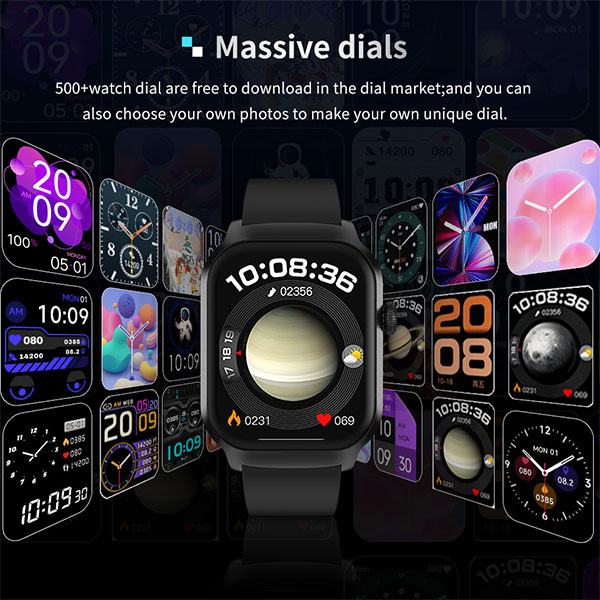
Look for OEMs that can customize the watch’s operating system (e.g., based on DynamicOS or other open-source systems), design exclusive watch faces and interfaces that align with your brand identity, and develop a dedicated app for your brand (with data privacy protection). Additionally, ongoing software support—such as bug fixes and feature updates—ensures that your products remain competitive and user-friendly over time.
3. Common Mistakes to Avoid When Choosing a Smartwatch OEM Manufacturer
Many brands make avoidable mistakes when selecting a smartwatch OEM manufacturer, which can lead to delayed deliveries, poor product quality, and lost market opportunities. Here are the most common pitfalls to watch out for:
Mistake 1: Prioritizing price over quality. While cost is an important factor, choosing the cheapest smartwatch factory often leads to compromises in materials, craftsmanship, and quality control. Low-quality products can damage your brand reputation and result in high return rates, ultimately costing more in the long run.
Mistake 2: Ignoring certification requirements. Failing to verify that the OEM has the necessary international certifications can lead to your products being banned from sale in target markets, resulting in significant financial losses. Always confirm certification compliance before signing a partnership agreement.
Mistake 3: Overlooking R&D and customization capabilities. Choosing an OEM with limited R&D capacity will restrict your ability to differentiate your products and adapt to market trends. Even if you don’t need full customization initially, partnering with an OEM that can support future innovation will help your brand grow.
Mistake 4: Not clarifying MOQ and delivery timelines. Ambiguity around MOQ, lead times, and delivery schedules can lead to stockouts or overstocking. Always get clear terms in writing, including penalties for delayed deliveries.
Mistake 5: Neglecting post-sales support. A reliable
smartwatch supplier should offer post-sales support, such as handling product defects, providing replacement parts, and offering technical assistance. Failing to consider this can leave your brand stranded when issues arise after delivery.
4. Advantages of Chinese Smartwatch OEM Manufacturers
China has emerged as the global hub for smartwatch manufacturing, with a large number of high-quality smartwatch OEM manufacturer that offer unique advantages for brands worldwide. Here’s why Chinese OEMs are the preferred choice for many international brands:
First, a complete industrial chain. China’s Pearl River Delta—particularly Shenzhen and Dongguan—boasts a dense ecosystem of component suppliers, including chipmakers, sensor manufacturers, and display providers. This vertical integration reduces lead times by 30-40% compared to other regions, allowing OEMs to quickly source materials and accelerate production cycles.
Second, cost competitiveness. Chinese OEMs benefit from economies of scale, skilled labor, and mature production processes, allowing them to offer high-quality products at competitive prices. This is particularly beneficial for startups and mid-sized brands looking to balance quality and cost.
Third, strong R&D and customization capabilities. Chinesesmartwatch factory invest heavily in R&D, with teams dedicated to developing new technologies and adapting to market trends. Many offer full customization services, from hardware design to software UI/UX, allowing brands to create unique products tailored to their needs.
Fourth, flexible production and MOQ. Unlike many Western OEMs, Chinese smartwatch supplier often offer flexible MOQ options, supporting small batches for market testing and scaling up as demand grows. This flexibility is ideal for brands at different stages of growth.
Fifth, compliance with international standards. Top Chinese OEMs hold all necessary international certifications (CE, FCC, RoHS, etc.) and have experience exporting to global markets, ensuring that products meet regional regulatory requirements. Additionally, their proximity to major ports enables efficient global logistics, reducing time-to-market for international brands.
5. Case Study: Geyan Technology – A Reliable Smartwatch OEM Manufacturer
To illustrate what a reliable smartwatch OEM manufacturer looks like, let’s take a closer look at Geyan Technology, a high-tech enterprise specializing in smart wearable products, including smartwatches and smart bracelets, based in Shenzhen, China. Since its establishment in 2012, Geyan Technology has focused on meeting customer needs with the core pursuit of “useful technology, easy-to-use products, and user benefits,” making it a trusted partner for brands worldwide.
Factory Capability: Geyan Technology has a well-equipped production facility with advanced manufacturing equipment and strict quality control processes. The company’s production lines are capable of handling both small-batch customization and large-scale mass production, with a focus on precision and reliability. Their commitment to quality has been recognized through industry awards, including three technical achievement awards at the 40th Anniversary Event of the Shenzhen Computer Users Association.
R&D Capability: Geyan Technology has a dedicated R&D team that focuses on technological innovation and product optimization. The company’s products are widely used in scenarios such as aging care, health management, and enterprise office, reflecting their ability to develop specialized solutions for different target audiences. They offer full customization services, from hardware configuration (e.g., medical-grade sensors) to software design, helping brands create differentiated products.
Certification Capability: Geyan Technology complies with international standards and holds all necessary certifications for global market entry, including CE, FCC, RoHS, and ISO quality management system certifications. This ensures that their products meet regulatory requirements in regions worldwide, reducing market entry risks for partner brands.
MOQ and Software Support: Geyan Technology offers flexible MOQ options, supporting small batches (starting from 100 units) for market testing, making it accessible for startups and small brands. They also provide comprehensive software support, including firmware development, UI/UX customization, and OTA update support, ensuring that partner brands can deliver a seamless user experience.
As a showcase of “Shenzhen Intelligent Manufacturing,” Geyan Technology has gained recognition in international markets, including participating in the Shenzhen-Central Asia Product Matching Conference and attracting strong interest from overseas business delegations. Their track record of reliability, customization, and quality makes them a prime example of a trustworthy
smartwatch OEM manufacturer.
Choosing a reliable smartwatch OEM manufacturer is a critical decision that directly impacts your brand’s success in the competitive smartwatch market. By focusing on the five key factors—factory capability, R&D capability, certification capability, MOQ, and software support—and avoiding common pitfalls, you can find a partner that aligns with your brand’s needs and goals. Chinese OEM manufacturers, with their complete industrial chain, cost competitiveness, and flexible services, offer significant advantages for brands worldwide.
Whether you’re a startup looking to test the market or an established brand aiming to scale up, partnering with a trusted smartwatch factory or smartwatch supplier like Geyan Technology can help you turn your vision into reality, deliver high-quality products to your customers, and gain a competitive edge in the global market.