The global smartwatch industry continues to grow rapidly in 2026, driven by increasing health awareness, technological advancements, and the growing demand for personalized wearable devices. According to industry research, global smartwatch shipments are expected to exceed 230 million units in 2026, reflecting strong and sustained market demand.
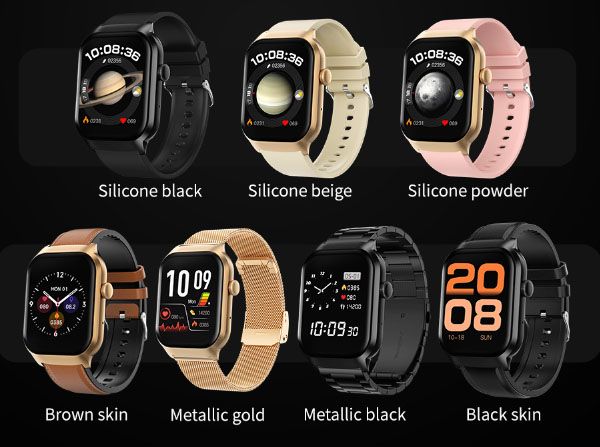
As more startups, technology brands, and entrepreneurs enter the wearable technology space, one key question always arises:
How much does it cost to develop a smartwatch in 2026?
The answer depends on several factors, including hardware complexity, software development, sensor configuration, industrial design, and manufacturing model (OEM or ODM).
At Shenzhen Geyan Technology Co., Ltd., we have spent over a decade helping global brands develop and launch custom smart wearable devices. As an experienced OEM and ODM smartwatch manufacturer, we support the entire product lifecycle — from concept design and prototype development to certification and mass production.
In this guide, we break down the real smartwatch development cost structure in 2026 and share practical strategies to help brands reduce development costs while maintaining high product quality.
Why Startups Are Entering the Smartwatch Market in 2026
The smartwatch market is no longer dominated only by major tech companies such as Apple or Samsung. Today, startups and niche brands are increasingly launching their own wearable devices.
Several factors are driving this trend.
Expanding Wearable Market
The global wearable technology market is expected to exceed $150 billion by 2026, with smartwatches accounting for more than 40% of total wearable device revenue.
Beyond general-purpose smartwatches, several niche segments are experiencing faster growth:
These niche markets provide significant opportunities for new brands.
Rising Demand for Health Monitoring
Health monitoring has become one of the most important features in wearable devices.
Modern smartwatches commonly include:
Advances in sensor technology have significantly reduced hardware costs, making it easier for startups to enter the market.
Product Differentiation Through Customization
Custom smartwatches allow brands to target specific user groups.
Examples include:
Even small design elements such as custom watch faces, branded straps, and specialized apps can create strong brand differentiation.
Easier Market Entry with OEM/ODM Manufacturing
Many entrepreneurs assume smartwatch development requires building everything from scratch. In reality, professional OEM/ODM partners provide proven hardware platforms that dramatically reduce development complexity.
Manufacturers like Geyan Technology provide:
This approach allows startups to launch products faster and with lower investment.
Main Cost Components of Smartwatch Development
Smartwatch development consists of several major cost elements. Understanding these components helps brands plan budgets more effectively.
PCB Design and Hardware Engineering
The PCB (Printed Circuit Board) is the core of the smartwatch hardware system. It integrates the processor, sensors, battery management system, connectivity modules, and other components.
Custom PCB development is usually required for unique product designs.
Typical cost range:
$10,000 – $50,000 (one-time engineering cost)
Cost depends on:
High-end smartwatches with advanced sensors typically require multi-layer PCBs, increasing development cost.
Sensors and Core Electronic Components
Sensors determine the functionality of the smartwatch. More sensors generally mean higher hardware cost.
Common smartwatch sensors include:
Typical sensor cost per device:
$5 – $25 per unit
Example cost ranges:
Basic smartwatch
PPG + accelerometer + gyroscope
$5 – $10
Mid-range smartwatch
SpO₂ + temperature + GPS
$10 – $18
High-end smartwatch
ECG + multiple health sensors
$18 – $25+
Medical-grade components may also require additional certification.
Mobile App and Cloud Platform Development
A smartwatch usually works together with a mobile application and cloud service platform.
The app provides:
Estimated development cost:
Mobile app development
$20,000 – $80,000
Cloud platform setup
$5,000 – $20,000
Annual cloud operating cost
$1 – $5 per user
Advanced features such as AI health insights, OTA updates, and big data analysis may increase software development costs.
Industrial Design and Mold Development
Industrial design strongly influences user experience and brand perception.
Developing a smartwatch enclosure requires precision molds for mass production.
Typical mold development cost:
$8,000 – $30,000
Cost depends on:
Additional cosmetic processes such as laser engraving, metal coating, or texture finishing may add extra cost.
Additional Development Costs
Other development costs may include:
Firmware development
$10,000 – $30,000
Product testing and certification
$5,000 – $20,000
Common certifications include:
Packaging and branding
$1 – $5 per unit
Logistics and shipping
$2 – $10 per unit depending on shipping method
OEM Smartwatch Development Cost
OEM manufacturing is the fastest and most affordable way to launch a smartwatch.
In an OEM model, brands customize an existing product platform.
Typical customization includes:
Upfront cost:
$5,000 – $20,000
Unit price typically ranges from:
$35 – $80 per device
Estimated price by order quantity:
500 – 1000 units
$60 – $80
1000 – 10,000 units
$45 – $60
10,000+ units
$35 – $45
OEM development typically requires 3–6 months to launch.
ODM Smartwatch Development Cost
ODM development involves creating a fully customized smartwatch product.
This model allows complete control over:
Typical development investment:
$50,000 – $200,000+
Per-unit cost usually ranges from:
$45 – $120
ODM development typically requires 6–12 months.
ODM is suitable for brands that want:
Strategies to Reduce Smartwatch Development Costs
Companies can significantly reduce development expenses by following several practical strategies.
Start with an MVP Product
Launch a Minimum Viable Product with only essential features. Additional functions can be added later.
This reduces initial R&D costs and speeds up market entry.
Use Existing Hardware Platforms
Leveraging modular hardware platforms can reduce development cost by 30–50%.
Start with Small Production Volumes
Testing the market with smaller batches (such as 500–1000 units) reduces inventory risk.
Use a Hybrid OEM + ODM Model
Partial customization of an existing product platform provides brand differentiation while maintaining lower costs.
Choose a Full-Service Manufacturer
Working with a manufacturer that handles:
can reduce coordination costs and development time.
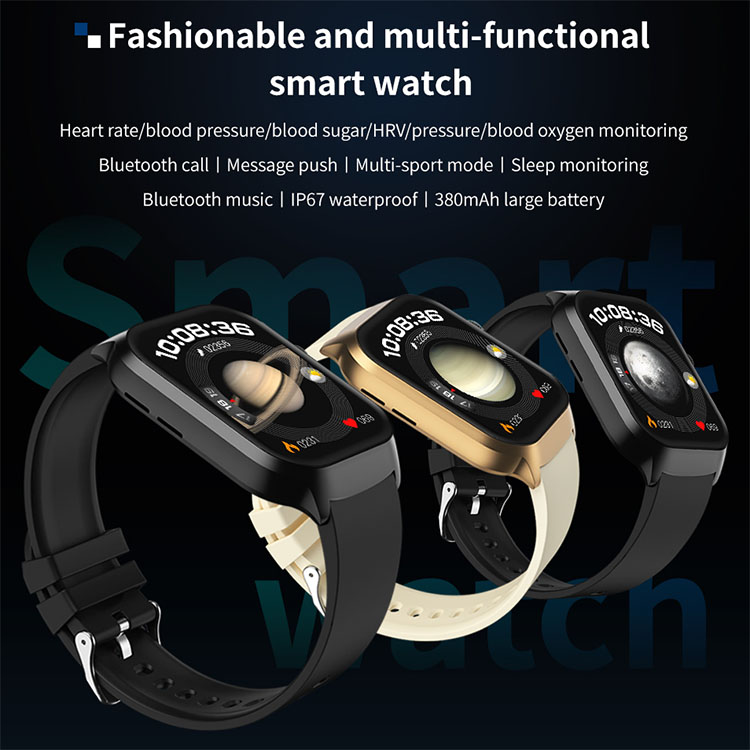
Geyan Technology Smartwatch Development Services
Shenzhen Geyan Technology Co., Ltd., founded in 2012, is a high-tech enterprise specializing in smart wearable device development.
We provide complete OEM and ODM solutions including:
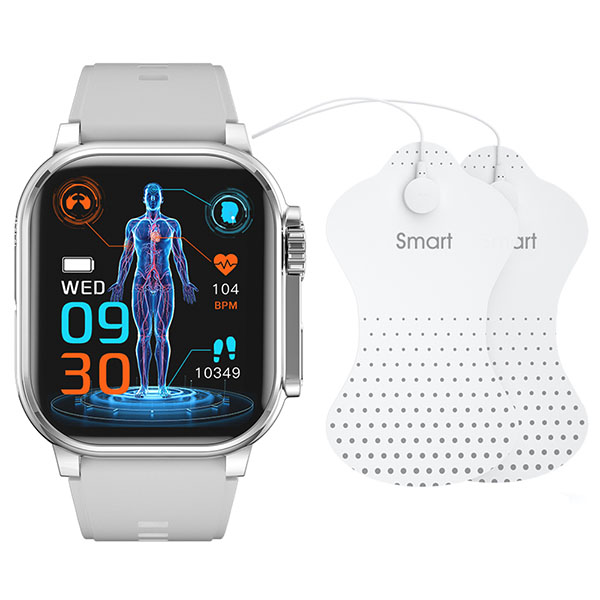
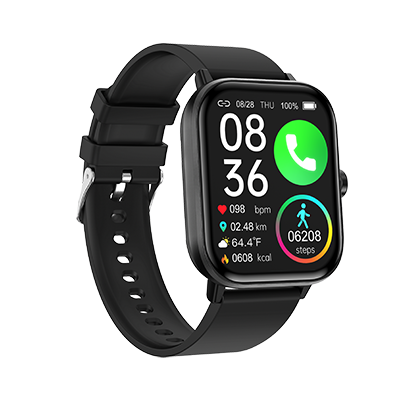
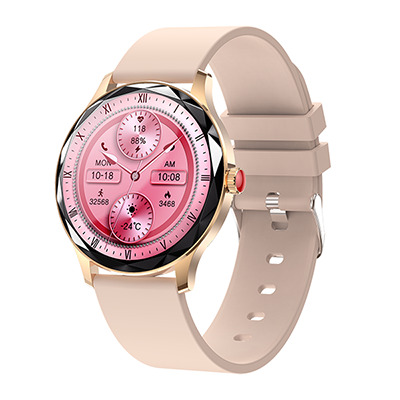
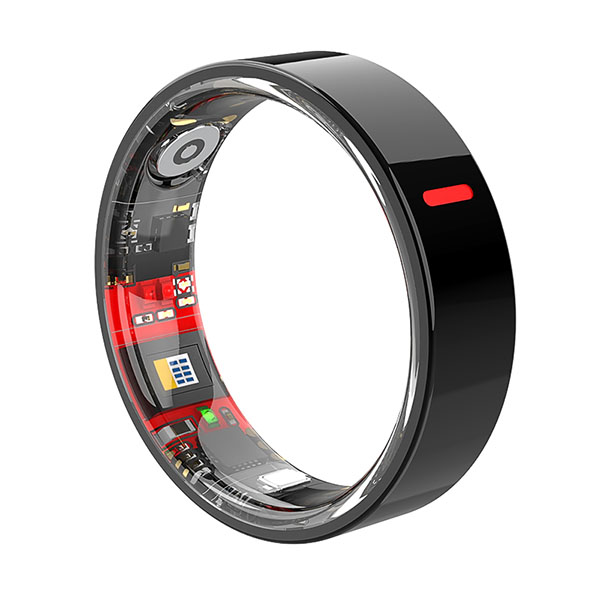
Our product categories include:
We support both small batch production (MOQ 500 units) and large-scale manufacturing.
Typical development timeline:
OEM projects
3 – 6 months
ODM projects
6 – 12 months
Conclusion
Smartwatch development cost in 2026 can vary widely depending on product complexity and customization level.
Estimated ranges include:
OEM smartwatch development
$5,000 – $20,000 upfront
Full ODM smartwatch development
$50,000 – $200,000+
With the right strategy and experienced manufacturing partner, companies can launch competitive wearable products with manageable investment.
For startups and brands entering the wearable market, choosing the right development approach is essential for balancing cost, innovation, and speed to market.
If you're planning to develop a custom smartwatch in 2026, partnering with an experienced manufacturer can dramatically simplify the process and reduce risk.
Geyan Technology helps global brands transform ideas into market-ready wearable products with reliable engineering, flexible customization, and scalable manufacturing.