Introduction: Why Healthcare Is Moving Toward End-to-End RPM Platforms
The global healthcare landscape is undergoing a profound transformation, driven by the rising prevalence of chronic diseases and the growing need for more efficient, patient-centric care. According to the Global Burden of Disease (GBD) 2023 report, non-communicable diseases—including hypertension, cardiovascular disease, and diabetes—are now the leading causes of morbidity and mortality worldwide, with metabolic risk factors contributing to nearly 50% of global disability-adjusted life years (DALYs). This surge in chronic conditions has strained traditional healthcare systems, which have long focused on acute, in-hospital treatment rather than continuous, long-term monitoring. As a result, the industry is rapidly shifting from a reactive “in-hospital care” model to a proactive “continuous monitoring” approach, where remote patient monitoring (RPM) and telehealth have become essential components of modern healthcare delivery.
Today, a remote patient monitoring platform is no longer a luxury but a standard configuration for healthcare providers, insurers, and governments looking to improve patient outcomes, reduce hospital readmissions, and lower healthcare costs. Telehealth wearable solutions have emerged as a cornerstone of this shift, enabling seamless data collection and real-time care delivery outside of clinical settings. However, the market faces critical pain points that hinder widespread adoption: data silos between different devices and systems, incompatibility between legacy healthcare tools and modern monitoring technologies, and the inability of standalone devices to form a complete care loop. These challenges highlight the urgent need for an end-to-end healthcare monitoring system that unifies data, devices, and workflows—making a reliable RPM platform provider an invaluable partner for organizations looking to navigate the future of remote care.
What Is an End-to-End Remote Patient Monitoring Platform?
Definition of an RPM Platform
An end-to-end remote patient monitoring platform is a comprehensive, integrated system designed to collect, transmit, analyze, and act on patient health data in real time, spanning from the patient’s home to the healthcare provider’s dashboard. Unlike fragmented solutions that focus on a single component (e.g., a wearable device or a mobile app), a full-featured RPM platform unifies five core elements to create a closed-loop care experience:
-
Wearable medical devices: Clinically validated devices that continuously collect vital signs (e.g., heart rate, blood pressure, oxygen saturation) and other health metrics, serving as the foundation of data acquisition.
-
Patient mobile application: A user-friendly app that allows patients to view their real-time health data, receive medication reminders, log symptoms, and communicate with their care team.
-
Healthcare provider dashboard: A centralized portal that gives clinicians, nurses, and care managers access to patient data, risk alerts, and trend analysis to make informed care decisions.
-
Cloud infrastructure: A secure, scalable cloud platform that stores and processes large volumes of health data, enabling seamless data transmission and access from anywhere.
-
API / EMR integration: Interfaces that connect the RPM platform with electronic medical record (EMR) systems, ensuring that patient data is synchronized with existing clinical workflows and compliant with healthcare regulations.
Difference Between Standalone Wearables and Integrated RPM Systems
It’s critical to distinguish between consumer-grade fitness trackers and clinically integrated RPM platforms, as their purposes, capabilities, and use cases differ significantly. The table below highlights the key differences:
|
Fitness Tracker
|
RPM Platform
|
|
Consumer use: Designed for healthy individuals to track daily activity (e.g., steps, calories burned).
|
Clinical integration: Built for clinical use, validated to meet medical standards, and integrated with healthcare workflows.
|
|
Activity focus: Primarily tracks lifestyle metrics with limited clinical relevance.
|
Vital sign monitoring: Continuously collects clinically meaningful data (e.g., blood pressure, heart rate variability) for disease management.
|
|
No backend: Lacks a centralized dashboard for healthcare providers and cannot integrate with EMR systems.
|
Full dashboard & data management: Includes a provider portal for data analysis, risk monitoring, and care coordination, with seamless EMR integration.
|
This distinction underscores why RPM platforms are essential for clinical settings—they transform raw data into actionable insights, enabling providers to deliver personalized care and intervene early when health risks arise.
System Architecture Overview
Wearable Device Layer (Data Acquisition)
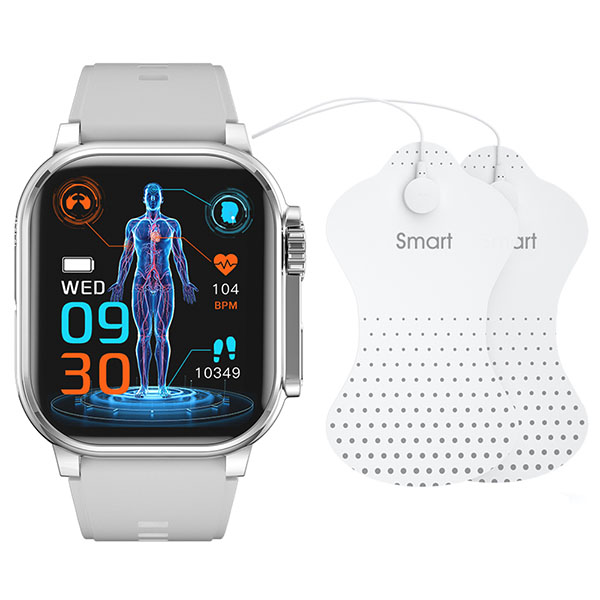
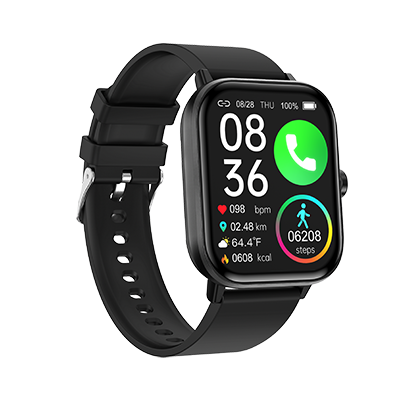
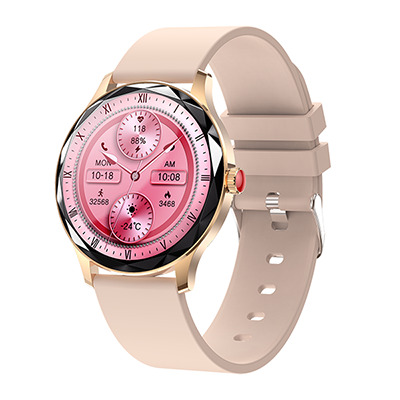
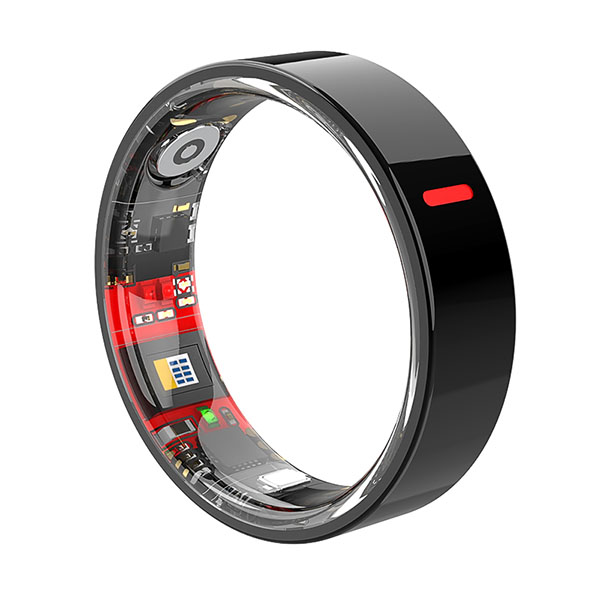
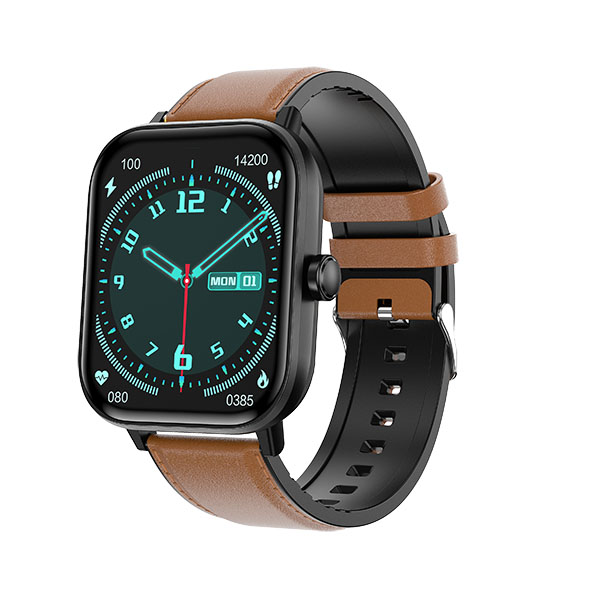
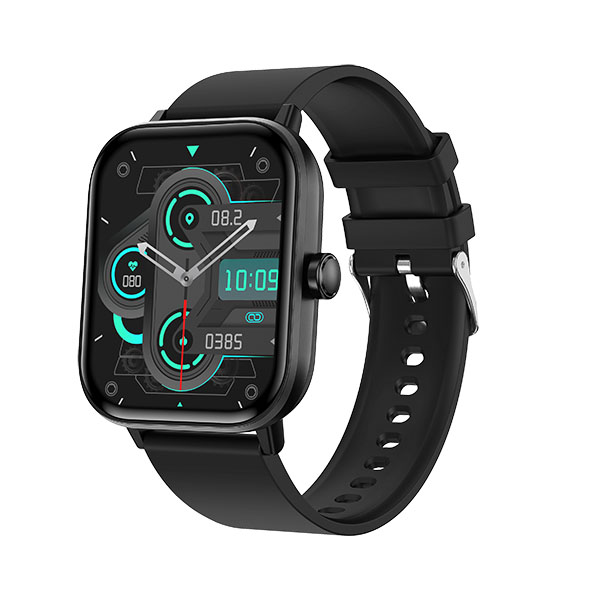
The wearable device layer is the frontline of the RPM platform, responsible for collecting accurate, continuous health data from patients. As a leading RPM smartwatch manufacturer and medical smart ring OEM, we offer a range of clinically validated devices tailored to diverse patient needs:
-
Medical Smartwatch: Equipped with advanced sensors to monitor heart rate, blood pressure, oxygen saturation, sleep quality, and activity levels. Designed for long-term wear, with a battery life of up to 7 days and water resistance for daily use.
-
Smart Ring: A compact, non-intrusive device that tracks nocturnal vital signs (e.g., sleep stages, heart rate variability) and activity, ideal for patients who prefer a discrete monitoring solution.
-
Optional LTE connectivity: Enables real-time data transmission without relying on a patient’s smartphone, ensuring continuous monitoring even for patients with limited digital access.
-
Continuous monitoring capability: 24/7 data collection to capture subtle changes in health metrics, which is critical for managing chronic conditions and detecting early warning signs.
Patient Mobile Application Layer
The patient mobile application serves as a bridge between the wearable device and the patient, empowering individuals to take an active role in their health management. As a key component of a telehealth wearable app and patient monitoring mobile application, it offers the following core features:
-
Real-time vitals display: A clear, easy-to-understand dashboard that shows the patient’s current and historical health data, helping them track progress and identify trends.
-
Medication reminders: Customizable alerts to ensure patients take medications on time, reducing non-adherence—a major barrier to effective chronic disease management.
-
Symptom logging: A simple interface for patients to record symptoms (e.g., fatigue, dizziness) and notes, providing clinicians with context for data interpretation.
-
Secure data transmission: End-to-end encryption to protect sensitive health information, ensuring compliance with global regulations like HIPAA and GDPR.
Healthcare Provider Dashboard (Core System)
The healthcare provider dashboard is the central hub of the RPM platform, designed to streamline care coordination and improve clinical efficiency. As a leading healthcare monitoring dashboard and RPM management system, it offers robust features that support remote patient monitoring software workflows:
-
Multi-patient overview: A consolidated view of all monitored patients, allowing clinicians to quickly assess population health and prioritize high-risk individuals.
-
Risk alerts: Customizable thresholds that trigger real-time alerts when a patient’s vital signs fall outside normal ranges, enabling early intervention to prevent complications.
-
Trend analysis: Visualizations (e.g., line graphs, heatmaps) of historical data to identify long-term patterns, supporting personalized treatment adjustments.
-
Data export: The ability to export patient data in standardized formats (e.g., CSV, HL7) for documentation, reporting, and research purposes.
-
EMR integration: Seamless connectivity with electronic medical record systems, ensuring that RPM data is integrated into the patient’s full clinical record—eliminating data silos and reducing manual data entry.
-
Role-based access control: Customizable access permissions for different care team members (e.g., doctors, nurses, care managers) to ensure data security and compliance.
Cloud & Data Infrastructure
The cloud and data infrastructure is the backbone of the RPM platform, providing the scalability, security, and reliability needed to support large-scale remote monitoring. As a trusted healthcare cloud platform for remote health data management, it includes the following key components:
-
Secure server deployment: Tiered security protocols to protect patient data from unauthorized access, including encryption at rest and in transit.
-
Private cloud / on-premise options: Flexible deployment models to meet the unique needs of healthcare organizations, whether they prefer the scalability of the public cloud or the control of on-premise infrastructure.
-
API / SDK integration: Open APIs and SDKs to enable integration with third-party tools (e.g., EMR systems, telehealth platforms, AI analytics tools) and support custom development.
-
Data encryption: End-to-end encryption for all data, ensuring compliance with global healthcare regulations and protecting patient privacy.
-
AI anomaly detection: Advanced AI algorithms that analyze patient data to identify unusual patterns, enabling proactive care and reducing the burden on clinicians.
Key Clinical Applications
Chronic Disease Monitoring
Chronic diseases are the primary driver of healthcare costs and mortality worldwide, making continuous monitoring a critical component of effective management. An end-to-end chronic disease monitoring system enables providers to track key metrics for a range of conditions, including:
-
Hypertension: Continuous blood pressure monitoring to track fluctuations and adjust medication regimens, reducing the risk of heart attack and stroke.
-
Cardiovascular disease: Monitoring of heart rate, heart rate variability, and activity levels to detect arrhythmias and other complications early.
-
COPD: Tracking of oxygen saturation and respiratory rate to manage exacerbations and reduce hospital readmissions.
-
Diabetes lifestyle tracking: Integration with glucose monitors to track blood sugar levels, combined with activity and diet logging to support lifestyle modifications.
Post-Discharge Monitoring
Post-discharge monitoring is a key use case for RPM platforms, as it helps reduce hospital readmissions and improve recovery outcomes. By providing continuous monitoring after a patient leaves the hospital, providers can detect complications early and intervene before they require rehospitalization. Common post-discharge use cases include:
-
Cardiac recovery: Monitoring of heart rate, blood pressure, and activity levels for patients recovering from heart attacks, bypass surgery, or other cardiac procedures.
-
Orthopedic rehab: Tracking of movement and activity to ensure patients adhere to rehab protocols and avoid re-injury.
-
Stroke rehabilitation: Monitoring of vital signs and activity levels to support recovery and detect signs of recurrent stroke.
Telehealth & Virtual Care Integration
RPM platforms are seamlessly integrated with telehealth services, creating a comprehensive virtual care ecosystem that connects patients and providers regardless of location. As a leading telehealth RPM solution, our platform supports:
-
Remote consultations: Integration with video conferencing tools to enable virtual visits, where providers can review RPM data in real time and discuss care plans with patients.
-
Insurance-driven RPM programs: Alignment with insurance providers to offer RPM services as part of value-based care models, reducing costs and improving outcomes.
-
Government digital health initiatives: Compliance with national and regional digital health programs, supporting public health efforts to expand access to care.
Why Choose Shenzhen Geyan Technology as Your RPM Platform Provider
When selecting a remote patient monitoring platform manufacturer, medical wearable OEM, or private label RPM solution provider, partnering with an experienced, integrated provider is critical to success. Shenzhen Geyan Technology Co., Ltd. stands out as a trusted partner for organizations worldwide, offering unparalleled expertise and capabilities.
15+ Years Wearable R&D Experience
With over 15 years of experience in wearable technology R&D, we have deep expertise in designing and manufacturing clinically validated medical devices. Our team of engineers and healthcare professionals works closely to develop devices that balance accuracy, comfort, and usability—ensuring patient compliance and reliable data collection.
End-to-End OEM/ODM Capability
We offer full end-to-end OEM/ODM services, from concept design and prototyping to mass production and quality control. Whether you need a custom wearable device, a branded mobile app, or a fully integrated RPM platform, we can tailor our solutions to meet your specific requirements and brand identity.
Hardware + Firmware + App + Platform Integration
Unlike providers that focus on a single component, we offer complete integration of hardware, firmware, mobile apps, and cloud platforms. This end-to-end integration ensures seamless data flow, reduced compatibility issues, and a unified user experience for both patients and providers—eliminating the need to manage multiple vendors.
Global Compliance Support (CE, FCC, etc.)
We understand the importance of regulatory compliance in the healthcare industry. Our devices and platforms are certified to meet global standards, including CE (Europe), FCC (United States), FDA (United States), and ISO 13485, ensuring that your RPM solution is compliant with local regulations and ready for market launch.
Business Models for RPM Platform Deployment
We offer flexible business models to support diverse B端 needs, ensuring that organizations of all sizes can leverage our RPM platform to achieve their goals. Our tailored models align with modern “service化” trends in healthcare technology, shifting from one-time hardware sales to long-term value partnerships.
Hardware + SaaS Model
This model combines the sale of our clinically validated wearable devices with a subscription-based SaaS (Software as a Service) platform. Healthcare providers pay a monthly or annual fee for access to the provider dashboard, cloud infrastructure, and ongoing software updates—reducing upfront costs and ensuring continuous access to the latest features.
Subscription-Based Telehealth Service
For telehealth providers and insurers, we offer a subscription-based model that includes the full RPM platform, wearable devices, and ongoing support. This model allows organizations to offer RPM as a value-added service to patients, generating recurring revenue while improving care outcomes. Similar to modern software service models, this approach shifts capital expenditure (CAPEX) to operational expenditure (OPEX), making it more accessible for organizations of all sizes.
Insurance & Government Program Deployment
We partner with insurance companies and government agencies to deploy RPM platforms as part of value-based care programs. Our solutions are designed to reduce healthcare costs by preventing hospital readmissions and improving chronic disease management, aligning with the goals of payers and public health initiatives.
White-Label Healthcare Brand Launch
For organizations looking to launch their own RPM brand, we offer a white-label solution that includes custom branding, design, and functionality. This model allows you to leverage our expertise and infrastructure while building your own brand equity in the remote healthcare market.
Technical Capabilities & Customization Options
As a customizable RPM platform and healthcare wearable solution provider, we offer a range of technical capabilities to tailor our platform to your unique needs. Our team of engineers works closely with you to understand your requirements and deliver a solution that aligns with your business goals:
-
Custom PCB development: Design and manufacturing of custom printed circuit boards (PCBs) for wearable devices, ensuring optimal performance and compatibility with your specific sensors and features.
-
Sensor optimization: Calibration and optimization of sensors to improve data accuracy, ensuring that your RPM platform delivers reliable, clinically meaningful data.
-
Firmware customization: Custom firmware development to add unique features (e.g., custom alerts, data processing algorithms) and ensure compatibility with your existing systems.
-
API integration: Custom API development to integrate the RPM platform with your EMR system, telehealth platform, or other third-party tools—eliminating data silos and streamlining workflows.
-
Data analytics customization: Development of custom data analytics models to extract actionable insights from patient data, supporting personalized care and population health management.
-
Branding & localization: Custom branding (e.g., logo, color scheme) and localization (e.g., multi-language support, regional compliance) to ensure your platform resonates with your target audience.
Frequently Asked Questions
What is an end-to-end RPM platform?
An end-to-end remote patient monitoring (RPM) platform is a comprehensive, integrated system that collects, transmits, analyzes, and acts on patient health data in real time. It includes wearable medical devices, a patient mobile app, a healthcare provider dashboard, cloud infrastructure, and API/EMR integration—creating a closed-loop care experience that connects patients and providers seamlessly.
How does remote patient monitoring work?
Remote patient monitoring works by using clinically validated wearable devices to collect continuous health data (e.g., heart rate, blood pressure, oxygen saturation) from patients in their homes. This data is securely transmitted to a cloud platform, where it is analyzed and displayed on a provider dashboard. Clinicians receive real-time alerts when a patient’s vital signs fall outside normal ranges, enabling early intervention and personalized care. Patients can also view their data via a mobile app, empowering them to take an active role in their health management.
What devices are required for RPM?
The core devices required for an RPM platform include clinically validated wearable medical devices (e.g., medical smartwatches, smart rings) that collect vital signs and other health metrics. Additional devices may include glucose monitors (for diabetes management), blood pressure cuffs, and pulse oximeters—depending on the specific clinical use case. These devices are integrated with a patient mobile app and provider dashboard to ensure seamless data flow.
Can RPM systems integrate with hospital EMR?
Yes, most modern RPM systems—including ours—offer seamless API/EMR integration. This integration ensures that patient data collected by the RPM platform is synchronized with the hospital’s electronic medical record system, eliminating data silos and reducing manual data entry. This allows clinicians to access a complete view of the patient’s health record, including RPM data, during consultations and treatment planning, aligning with industry standards for EMR integration.
What is the difference between telehealth and RPM?
Telehealth is a broad term that refers to any remote healthcare service, including virtual consultations, video visits, and remote patient monitoring. RPM is a specific subset of telehealth that focuses on continuous, real-time monitoring of patient health data using wearable devices and other remote tools. While telehealth often involves one-time or scheduled interactions, RPM provides ongoing data collection and monitoring, enabling proactive care and early intervention.
Conclusion: Building Scalable Remote Healthcare Infrastructure
The future of healthcare lies in scalable, patient-centric remote monitoring solutions that prioritize data continuity, medical system integration, and long-term chronic disease management. An end-to-end remote patient monitoring platform is not just a technology—it’s a strategic tool that enables healthcare organizations to shift from reactive to proactive care, improve patient outcomes, and reduce costs. By unifying wearable devices, mobile apps, provider dashboards, and cloud infrastructure, our platform creates a seamless care experience that benefits both patients and providers.
At Shenzhen Geyan Technology, we are committed to helping organizations build scalable remote healthcare infrastructure that meets the evolving needs of the industry. Whether you need a custom OEM/ODM solution, a white-label platform, or a subscription-based service, we have the expertise, capabilities, and global compliance support to help you succeed.
Contact us for RPM platform development and let us partner with you to create a remote patient monitoring solution that drives better care outcomes and business growth. We welcome OEM/ODM collaboration invitations from healthcare providers, insurers, and technology partners worldwide.