The wearable technology landscape has evolved dramatically over the past decade, with smartwatches transitioning from simple notification displays to sophisticated health monitoring platforms. For developers looking to create custom smartwatch solutions, understanding SDK integration and API architecture has become essential. This comprehensive guide explores the technical foundations of smartwatch customization, focusing on practical implementation strategies for building robust wearable applications.
Modern smartwatch development requires a deep understanding of embedded systems, wireless communication protocols, and sensor fusion algorithms. A well-designed SDK (Software Development Kit) provides developers with the essential tools to leverage hardware capabilities without needing to understand every low-level detail. Shenzhen Geyan Technology Co., Ltd., founded in 2012, has spent over 15 years refining their SDK architecture to support diverse customization needs across their product lines including Jieshilang, Jersa, and Xinan brands.
The core of any smartwatch SDK revolves around several critical components: hardware abstraction layers, sensor APIs, connectivity modules, and power management systems. Hardware abstraction allows developers to write code that works across different PCB designs and component configurations. This is particularly important for OEM partners who may need to customize specific hardware elements while maintaining software compatibility.
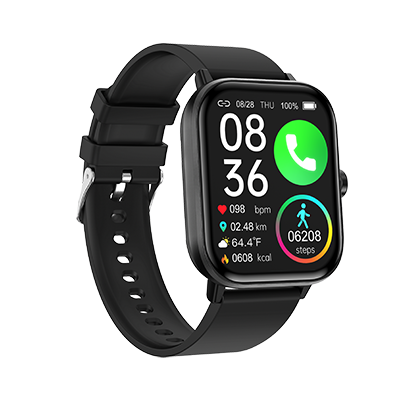
Health monitoring represents one of the most demanding aspects of smartwatch development. Modern devices incorporate multiple sensors including optical heart rate monitors, SpO2 sensors, accelerometers, gyroscopes, and increasingly sophisticated biometric sensors. The SDK must provide clean, well-documented APIs for accessing this sensor data while handling the complexities of signal processing and noise reduction.
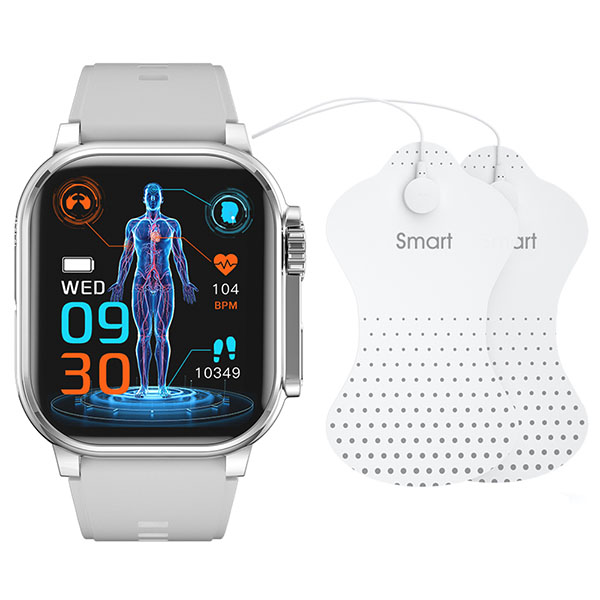
For developers working with TENS/EMS watch platforms, the technical requirements become even more specialized. These devices require precise control over electrical stimulation parameters, safety interlocks, and therapeutic protocol management. A robust SDK provides pre-built modules for common therapeutic patterns while allowing customization for specific medical or wellness applications.
Geyan Technology's approach to sensor integration emphasizes real-time data processing with minimal latency. Their SDK includes optimized algorithms for heart rate variability analysis, sleep stage detection, and activity recognition. These features are particularly valuable for developers creating health-focused applications that require accurate, reliable biometric data.
Bluetooth Low Energy (BLE) remains the dominant connectivity standard for smartwatches, but modern SDKs must also support WiFi, NFC, and potentially cellular connectivity for standalone devices. The API design for connectivity modules should abstract protocol complexities while providing developers with fine-grained control when needed.
A well-structured connectivity API handles device pairing, data synchronization, over-the-air (OTA) firmware updates, and cloud integration. For developers building companion mobile applications, the SDK should provide consistent interfaces across iOS and Android platforms. Geyan Technology's SDK includes comprehensive BLE GATT profile definitions, making it straightforward to implement custom services and characteristics for specific use cases.
The API architecture should follow RESTful principles where applicable, with clear request-response patterns and comprehensive error handling. Webhook support enables real-time notifications when specific events occur, such as threshold breaches in health monitoring or geofence triggers in fitness applications.
While SDK and API development represents the software side of customization, understanding PCB design constraints is essential for successful integration. The physical layout of components affects antenna performance, sensor accuracy, and power efficiency. Developers working closely with hardware teams should understand how PCB design decisions impact software implementation.
Geyan Technology provides PCB design support as part of their OEM/ODM services, ensuring that custom hardware configurations maintain compatibility with their SDK framework. This integrated approach reduces development time and minimizes integration issues that often arise when hardware and software teams work in isolation.
Key PCB considerations include antenna placement for optimal wireless performance, sensor positioning for accurate readings, and power distribution networks that support peak current demands without voltage droop. The SDK should include calibration routines that account for PCB-specific variations in sensor characteristics.
Modern smartwatch ecosystems extend beyond the device itself to include mobile applications and cloud services. The SDK should provide comprehensive support for companion app development, including data synchronization, user authentication, and push notification handling. Cloud integration enables advanced features like long-term health trend analysis, social connectivity, and multi-device synchronization.
For developers building enterprise or medical applications, the SDK must support secure data transmission, HIPAA compliance considerations, and integration with existing healthcare IT systems. API rate limiting, authentication tokens, and encrypted data channels are essential features for professional-grade deployments.
Geyan Technology's platform supports custom APP development with flexible branding options. Partners can white-label the companion application or develop entirely custom interfaces while leveraging the underlying SDK infrastructure. This flexibility enables brands to create differentiated user experiences while benefiting from proven, reliable technology.
Battery life remains a critical constraint in wearable development. The SDK must provide sophisticated power management features including dynamic voltage scaling, sleep mode optimization, and intelligent sensor polling strategies. Developers should have visibility into power consumption at the function level to identify optimization opportunities.
Advanced power management APIs enable applications to adapt their behavior based on battery state, user activity patterns, and charging availability. For example, a fitness tracking application might increase sampling frequency during detected exercise periods while reducing background processing during sleep hours.
Comprehensive testing frameworks are essential for reliable smartwatch development. The SDK should include simulation tools that allow developers to test applications without physical hardware, automated testing suites for regression prevention, and debugging tools for troubleshooting field issues.
Geyan Technology's development support includes access to testing hardware, technical documentation, and engineering support throughout the development lifecycle. This comprehensive approach reduces time-to-market and ensures that custom solutions meet quality standards before deployment.
Successful smartwatch customization requires deep technical expertise across hardware, software, and system integration domains. A well-designed SDK provides the foundation for efficient development while allowing the flexibility needed for differentiated products. With 15 years of experience in wearable technology, Geyan Technology has developed comprehensive SDK and API frameworks that support diverse customization requirements from concept through mass production.
For developers embarking on custom smartwatch projects, investing time in understanding SDK architecture pays dividends throughout the development process. The right technical foundation enables rapid prototyping, efficient iteration, and ultimately, products that deliver exceptional user experiences in the competitive wearable technology market.