The global smartwatch market continues its explosive growth, projected to exceed $96 billion by 2027. For brands looking to enter or expand in this space, the decision between developing in-house capabilities versus partnering with experienced OEM/ODM manufacturers represents a critical strategic choice. This analysis explores how strategic manufacturing partnerships enable brands to launch competitive smartwatch products while minimizing risk and accelerating time-to-market.
Original Equipment Manufacturing (OEM) and Original Design Manufacturing (ODM) partnerships offer brands a pathway to market that balances customization with manufacturing expertise. OEM arrangements allow brands to leverage existing manufacturing infrastructure while applying their own branding and specific customizations. ODM partnerships go further, providing complete design and development services alongside manufacturing capabilities.
Shenzhen Geyan Technology Co., Ltd., established in 2012, exemplifies the value proposition of experienced wearable manufacturers. With 15 years of industry experience, Geyan has developed comprehensive capabilities spanning product design, component sourcing, manufacturing, quality assurance, and after-sales support. Their portfolio includes multiple successful brands such as Jieshilang, Jersa, and Xinan, demonstrating proven ability to bring products to market across diverse market segments.
Not all customization is created equal. Brands must distinguish between superficial modifications and meaningful differentiation that creates genuine competitive advantage. Logo customization and color variations represent entry-level customization options that provide brand identification but limited market differentiation. More substantial customization involves PCB design modifications, sensor selection, industrial design, and software feature sets.
Geyan Technology's approach to customization spans the full spectrum from basic branding to complete product development. Their engineering teams work collaboratively with brand partners to identify customization opportunities that align with target market requirements and brand positioning. This collaborative approach ensures that customization investments deliver measurable returns rather than simply increasing unit costs.
For health-focused brands, customization might involve specific sensor configurations, specialized health algorithms, or integration with existing health platforms. Business-oriented brands might prioritize premium materials, extended battery life, or enterprise security features. Sports and fitness brands typically emphasize durability, water resistance, and advanced activity tracking capabilities.
Manufacturing quality directly impacts brand reputation and customer satisfaction. Defective products generate returns, negative reviews, and lasting damage to brand equity. Selecting a manufacturing partner with robust quality systems is not merely a cost consideration but a brand protection imperative.
Experienced manufacturers like Geyan Technology implement comprehensive quality management systems covering incoming component inspection, in-process quality control, final product testing, and traceability throughout the production process. ISO certifications, while not guarantees of quality, indicate commitment to systematic quality management and continuous improvement.
Critical quality considerations for smartwatches include water resistance testing, drop testing, battery safety validation, wireless certification compliance, and long-term reliability assessment. Manufacturing partners should provide detailed quality documentation and support warranty claim analysis when issues arise in the field.
The global electronics supply chain has experienced significant volatility in recent years, with component shortages and price fluctuations impacting production schedules and cost structures. Established manufacturers maintain relationships with component suppliers that provide advantages in availability, pricing, and allocation during shortage conditions.
Geyan Technology's 15-year industry presence has enabled development of stable supply chain relationships across the component ecosystem. This network provides benefits including priority allocation during shortages, volume-based pricing advantages, and early visibility into component lifecycle changes that might affect long-term product availability.
For brands, this supply chain expertise translates into more reliable production schedules, better cost predictability, and reduced risk of component obsolescence mid-product-lifecycle. Manufacturing partners should provide transparency into supply chain risks and proactive communication about potential disruptions.
In fast-moving technology markets, speed to market often determines commercial success or failure. Developing smartwatch capabilities in-house typically requires 18-36 months for teams without existing wearable expertise. Strategic OEM/ODM partnerships can reduce this timeline to 6-12 months for customized products based on existing platforms.
The time advantage stems from leveraging existing engineering work, validated designs, and established manufacturing processes. Rather than reinventing fundamental capabilities, brands can focus customization efforts on differentiation features that matter most to their target customers.
Geyan Technology's platform approach enables rapid customization while maintaining proven reliability. Their engineering teams understand which modifications carry minimal risk versus those requiring extensive validation. This expertise helps brands make informed decisions about customization scope and associated timeline implications.
Building in-house smartwatch capabilities requires substantial capital investment in engineering talent, prototyping equipment, testing facilities, and manufacturing infrastructure. For most brands, particularly those whose core competency lies outside hardware manufacturing, this investment diverts resources from marketing, distribution, and brand building activities where they create maximum value.
OEM/ODM partnerships convert fixed capital investments into variable production costs, improving financial flexibility and reducing risk. Brands pay for units produced rather than maintaining idle capacity during demand fluctuations. This model aligns particularly well with brands testing new market segments or launching products with uncertain demand profiles.
Cost considerations should encompass total landed cost including manufacturing, components, packaging, certification, logistics, and after-sales support. Experienced manufacturers provide transparent cost breakdowns that enable informed decision-making about customization trade-offs.
Successful brands often deploy portfolio strategies spanning multiple price points and market segments. OEM/ODM partnerships enable efficient portfolio development by leveraging common platforms across multiple products while customizing features and positioning for specific segments.
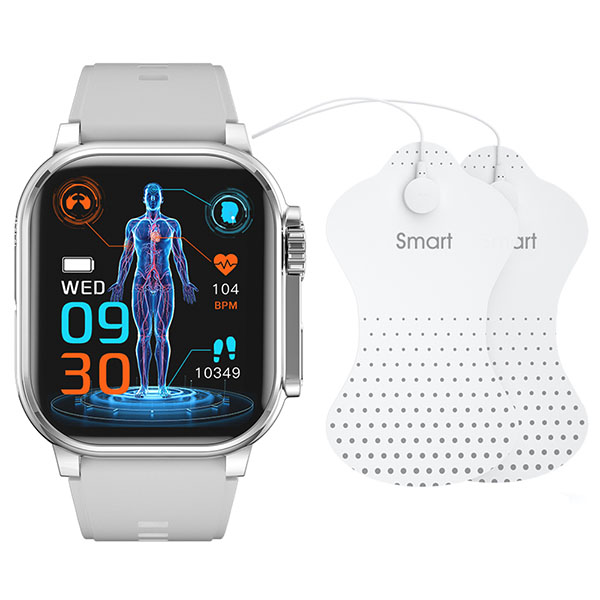
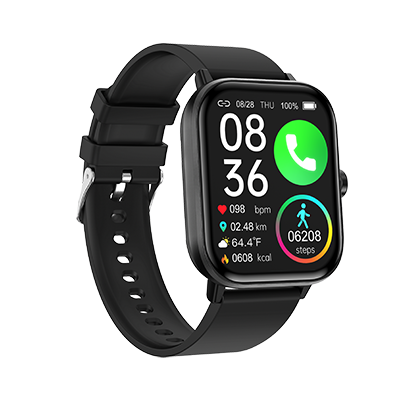
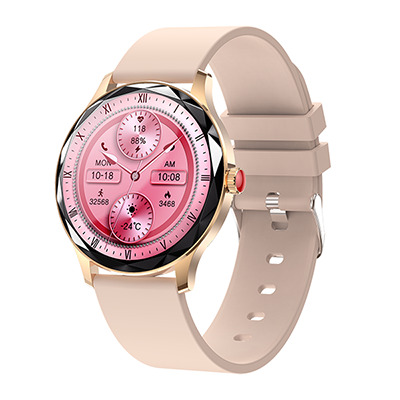
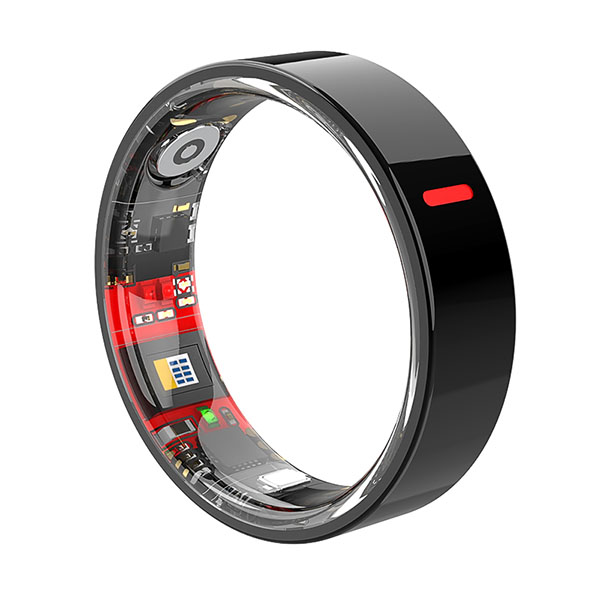
Geyan Technology's experience across health watches, business watches, sports watches, fitness bands, smart rings, Muslim watches, and TENS/EMS watches demonstrates capability to support diverse portfolio strategies. Brands can launch multiple products simultaneously or sequence launches to test market response before committing to larger production volumes.
Product launch represents the beginning of customer relationships, not the end. After-sales support including warranty service, repairs, firmware updates, and customer support significantly impacts customer satisfaction and brand reputation. Manufacturing partners should provide comprehensive after-sales support capabilities aligned with brand service standards.
Geyan Technology's support infrastructure includes warranty claim processing, repair services, spare parts availability, and technical support for customer service teams. This comprehensive approach enables brands to deliver consistent customer experiences without building parallel support infrastructure.
Strategic OEM/ODM partnerships enable brands to enter the smartwatch market with competitive products while focusing internal resources on core competencies like marketing, distribution, and customer experience. The right manufacturing partner provides not just production capacity but strategic value through engineering expertise, supply chain management, quality systems, and after-sales support.
With 15 years of wearable technology experience, Geyan Technology represents the type of experienced partner that enables brands to navigate the complexities of smartwatch development and manufacturing. Their comprehensive capabilities spanning OEM/ODM services, SDK/API support, logo customization, PCB design, and APP development provide the foundation for successful product launches across diverse market segments.
For brands considering smartwatch market entry or expansion, evaluating potential manufacturing partners should encompass not just unit costs but the full spectrum of capabilities that determine long-term success. The right partnership transforms manufacturing from a cost center into a strategic advantage that accelerates growth and builds sustainable competitive position.