Smartwatches are no longer just consumer gadgets. In today’s connected ecosystem, they function as wearable IoT endpoints that collect sensor data, communicate with mobile devices, and feed information into cloud platforms and enterprise systems. For IoT solution providers, smart device brands, software developers, system integrators and enterprise buyers, the real challenge is not simply finding a smartwatch supplier, but finding a manufacturing partner that can support hardware integration, data synchronization, API/SDK deployment and long-term product iteration.
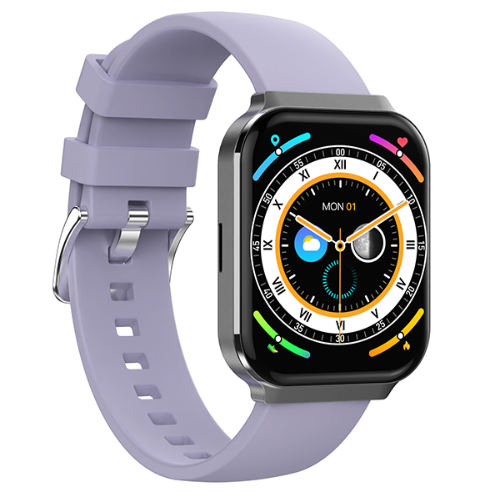
Choosing the right smartwatch manufacturer for IoT integration means evaluating more than appearance and price. It requires understanding how the device connects, how data is structured, whether the manufacturer can provide BLE communication documentation, and whether the hardware and firmware can be adapted to different application scenarios. A reliable partner should be able to support projects ranging from health monitoring and senior care to fitness platforms, workforce management and connected consumer devices.
An IoT-integrated smartwatch is a wearable device designed to work within a broader digital system rather than as a standalone product. It collects data through built-in sensors, transmits information via Bluetooth or other communication modules, and interacts with mobile applications, cloud services or third-party platforms.
The typical data flow looks like this:
This architecture shows why smartwatch selection matters. If the device cannot provide stable connectivity, clear data definitions or sufficient integration support, downstream development costs will increase significantly.
Most IoT smartwatches rely on Bluetooth Low Energy to communicate with smartphones, gateways or nearby devices. BLE is suitable for wearable applications because it balances power consumption, connection stability and data transmission efficiency. For IoT projects, BLE connectivity determines how quickly the watch can pair, how reliably data can be synchronized, and how well the device performs in real-world usage.
GATT defines how BLE devices exchange data through services and characteristics. For developers integrating a smartwatch into their own app or platform, clear GATT documentation is essential. It helps engineering teams understand which characteristics carry heart rate data, activity records, device status, battery level or other sensor readings. Not every model uses the same service structure, so manufacturers should provide communication specifications aligned with the selected hardware.
API and SDK support is one of the most important factors for IoT integration. A well-documented SDK can shorten development time by providing ready-to-use modules for device discovery, pairing, data parsing and synchronization. API access allows third-party platforms to receive processed data, manage user accounts, configure device settings or trigger alerts.
For enterprise buyers and software developers, integration capability often matters more than cosmetic customization. The manufacturer should be able to clarify which data fields are available, how synchronization works, and what level of technical assistance is provided during deployment. Specific API, SDK and GATT capabilities depend on the product model and project requirements.
In most IoT architectures, smartwatch data passes through a mobile app before reaching the cloud. The app acts as a bridge between the wearable device and backend systems. Cloud synchronization enables historical data storage, trend analysis, remote management and multi-user access. For healthcare platforms, fitness services or workforce management systems, stable data synchronization is critical to maintaining accuracy and usability.
Smartwatches can support remote health monitoring by collecting heart rate, SpO₂, sleep patterns, activity levels and HRV-related data. These data points can be integrated into health management platforms, telehealth applications or wellness programs. It is important to note that consumer smartwatches are generally not medical devices. Any health-related application should be designed for wellness monitoring, data tracking or supportive insights rather than medical diagnosis.
For senior care solutions, smartwatches can work with SOS alerts, location services, 4G connectivity and remote monitoring platforms. These features help caregivers or family members receive timely notifications when abnormal situations occur. Device usability, battery life and reliable connectivity are especially important in this scenario, because the system must remain practical for elderly users.
Fitness brands and sports app developers often need wearable devices that can provide step count, calorie estimation, sleep tracking, multi-sport records and workout summaries. When these data streams are integrated into a third-party fitness platform, users can view their progress across devices and applications. A smartwatch manufacturer that supports flexible data export and app integration can help fitness brands build a more complete user experience.
Enterprises may use smart wearables to monitor workforce activity, improve safety awareness or support digital transformation initiatives. For example, smartwatches can be configured for attendance tracking, activity reminders, notification delivery or on-site communication. The exact features depend on the project design, hardware selection and enterprise platform requirements.
Smartwatches can also serve as part of a broader connected ecosystem. They may interact with smartphones, smart home devices, fitness equipment or other IoT products. For consumer electronics brands, the ability to customize branding, user interfaces and data workflows helps create a more differentiated product line.
| Evaluation Factor | What Buyers Should Check |
|---|---|
| Hardware Development | Product design, sensor selection, PCB capabilities and manufacturing quality |
| API and SDK Support | Availability of integration documents, SDKs and developer assistance |
| Communication | BLE connectivity, GATT structure and supported data channels |
| Firmware Customization | Ability to adjust functions, interfaces and device behavior |
| Data Compatibility | Supported data fields, synchronization logic and platform readiness |
| App Integration | Compatibility with Android and iOS applications |
| Production Capacity | Sampling process, quality control and mass production capability |
| Long-Term Support | Firmware updates, technical response and product lifecycle management |
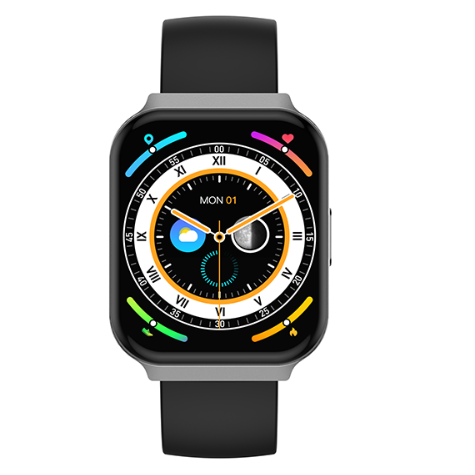
Shenzhen Geyan Technology Innovation Co., Ltd. has been serving the smart wearable industry since 2012. As a national high-tech enterprise, Geyan focuses on the research, design, production, sales and after-sales service of smart wearable devices, with particular strength in smartwatch OEM and ODM customization. With nearly 15 years of experience in intelligent electronics, the company combines independent R&D, precision manufacturing and strict quality control to support customers worldwide.
Geyan Technology is recognized as one of the pioneers in China’s smartwatch industry. It initiated the establishment of both the Smart Wearable Industry Association and the Chip Industry Promotion Association, and serves as a standing committee member. This industry involvement reflects its long-term commitment to wearable technology development and supply chain collaboration.
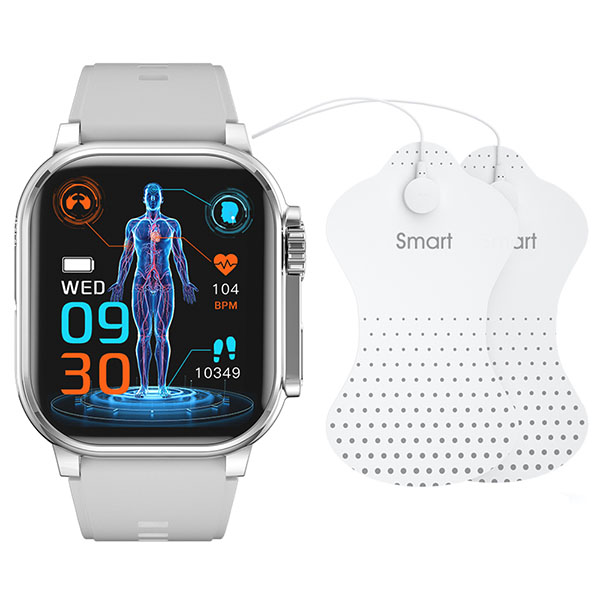
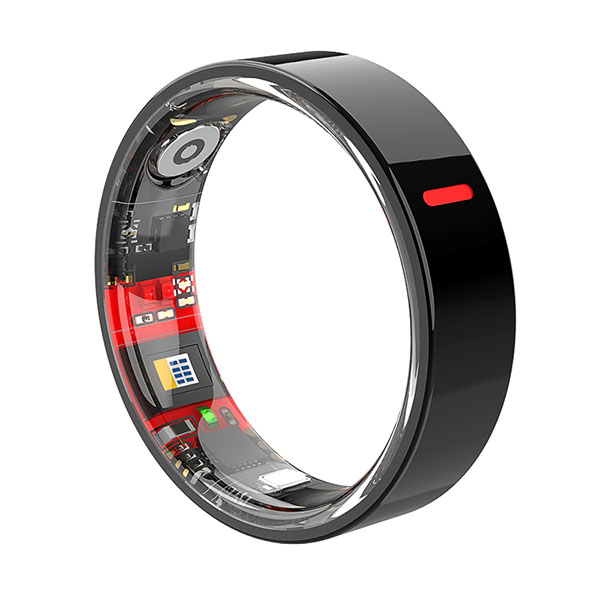
Geyan offers a broad portfolio of smart wearable products, including health and fitness smartwatches, business and lifestyle smartwatches, sports smartwatches, smart fitness bands, custom smart rings and specialized smartwatches such as Muslim smartwatches and TENS/EMS smartwatches. These product lines can support different IoT scenarios, from daily wellness tracking to sports monitoring and connected device applications.
Customization services include logo branding, hardware and PCB design, custom UI and watch faces, dedicated mobile app development, cloud integration, packaging design and brand identity customization. This flexibility allows IoT solution providers and smart device brands to develop products that match their target users and platform requirements.
For software developers and system integrators, technical documentation is essential. Geyan can provide project-level support for API, SDK and GATT-related integration, helping customers connect smartwatch data with their own applications or cloud platforms. The scope of support depends on the selected model, firmware structure and project design, so detailed confirmation during the evaluation stage is recommended.
This capability makes Geyan suitable not only for traditional hardware procurement, but also for projects that require deeper device-to-platform integration. Whether the goal is health data synchronization, fitness platform connectivity or enterprise device management, technical alignment should be confirmed early in the project.
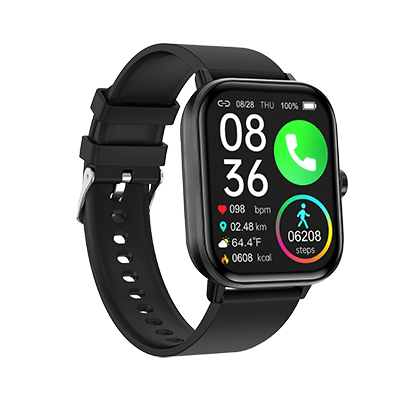
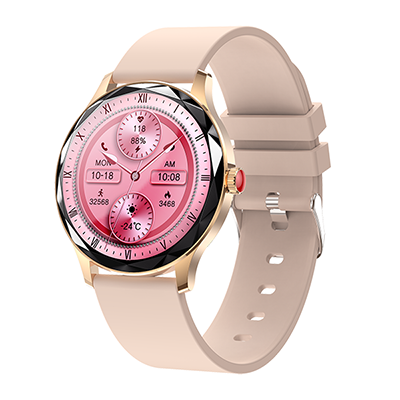
Geyan’s product range covers multiple IoT application directions. Health and fitness smartwatches support heart rate, SpO₂, sleep monitoring, step counting, calorie tracking and other wellness-related functions. Business and lifestyle models offer AMOLED displays, Bluetooth calling, notification alerts and premium finishes. Sports smartwatches provide multi-sport tracking, waterproof design and GPS capabilities. Smart fitness bands and custom smart rings expand the options for lightweight or specialized wearable solutions.
This variety allows buyers to select a baseline model and then customize hardware, firmware, branding or data integration according to their project needs.
Geyan supports the full cooperation cycle, from initial requirement discussion and model selection to sample testing, firmware adjustment, quality verification and mass production. The company can handle both small-batch customization and large-scale OEM orders. This makes it suitable for startups validating an IoT concept, brands launching new wearable products, and enterprises deploying connected device solutions.
Q1: Can a smartwatch connect to an existing IoT platform?
Yes, a smartwatch can connect to an existing IoT platform through a mobile app, API or cloud integration. The implementation depends on the device’s communication protocol, available SDK, data structure and backend requirements. Early technical confirmation helps ensure that sensor data can be synchronized reliably.
Q2: Does a smartwatch manufacturer provide API and SDK support?
Many smartwatch manufacturers provide API, SDK or GATT documentation for integration projects. The level of support varies by product model and cooperation scope. Buyers should confirm whether the manufacturer offers developer documents, sample code, technical assistance and firmware configuration options.
Q3: Can I integrate smartwatch data into my own mobile application?
Yes, smartwatch data can be integrated into a custom mobile application when the manufacturer provides the necessary connection protocols and development support. Integration typically includes device pairing, data parsing, synchronization logic and permission management. Compatibility with Android and iOS should be verified during testing.
Q4: What data can an IoT smartwatch collect and transmit?
An IoT smartwatch may collect heart rate, SpO₂, sleep data, step count, calorie estimates, activity records and device status. Available data fields depend on the hardware sensors, firmware configuration and integration design. Health-related data should be used for wellness monitoring and platform analytics rather than medical diagnosis.
Q5: Does Geyan support custom smartwatch development for IoT projects?
Yes, Geyan supports smartwatch OEM and ODM customization for IoT applications. Services can include hardware selection, firmware adjustment, branding, UI customization, app integration and cloud connectivity. Specific capabilities should be confirmed based on the selected product and project requirements.
Q6: Can smartwatch firmware and functions be customized?
Smartwatch firmware and functions can often be customized for branding, user interface, data synchronization, notifications and device behavior. The extent of customization depends on the hardware platform, development timeline and project scope. Manufacturers usually evaluate feasibility during the sample development stage.
Q7: What should I prepare before starting a smartwatch IoT integration project?
Buyers should prepare clear application scenarios, target user profiles, required data fields, platform architecture, mobile app requirements and expected order volume. Providing this information early helps the manufacturer recommend suitable hardware, confirm integration feasibility and plan an efficient development path.
Geyan Technology provides smartwatch hardware, customization services and integration support for IoT solution providers, smart device brands, software developers, system integrators and enterprise buyers. With nearly 15 years of experience in smart wearables, the company can help customers evaluate suitable devices, align technical interfaces and move from prototype to mass production.
Looking for a smartwatch manufacturer for your IoT integration project? Contact Geyan to discuss your hardware requirements, API/SDK needs and product customization options. Our team can help you evaluate suitable smartwatch solutions for your connected device ecosystem.