The global smartwatch market is booming, with shipments expected to surpass 270 million units by 2026 (Counterpoint Research). For startups, entrepreneurs, and established brands, a key decision is choosing the right manufacturing model: OEM (Original Equipment Manufacturer) or ODM (Original Design Manufacturer).
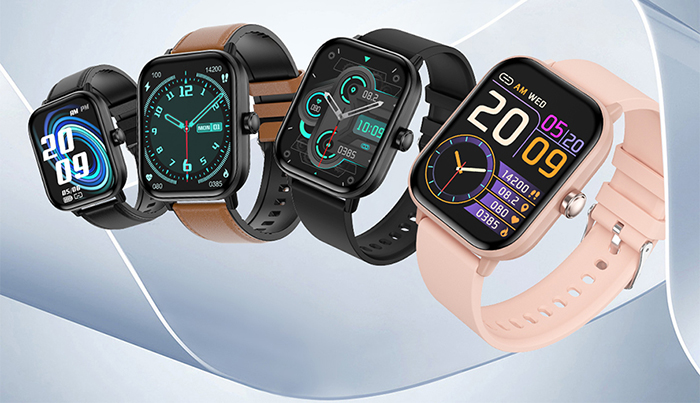
This choice affects your time-to-market, development costs, product uniqueness, and long-term brand strategy. Understanding the difference is essential for managing your budget, IP, and market positioning.
At Shenzhen Geyan Technology, a leading smartwatch manufacturer in China, we have over 15 years of experience helping international clients make this decision. This guide explains the differences between OEM and ODM, provides actionable selection criteria, and shows how partnering with the right manufacturer accelerates market success.
For a deeper technical process, see our [Custom Smartwatch Manufacturing Guide].
OEM (Original Equipment Manufacturer) means you provide the complete design, technical specs, and branding. The manufacturer executes production while maintaining quality.
Key Points:
· You own the IP for hardware, software, PCB layouts, and UI
· You specify components: processor, sensors, display, battery
· The manufacturer handles assembly, testing, and logistics
Advantages:
· Full design control and product differentiation
· Ownership of intellectual property
· Lower unit costs at higher production volumes
· Ideal for private label smartwatch projects
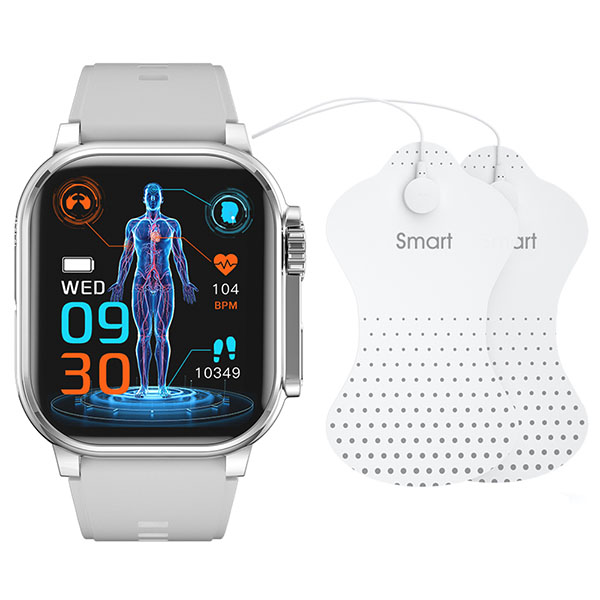
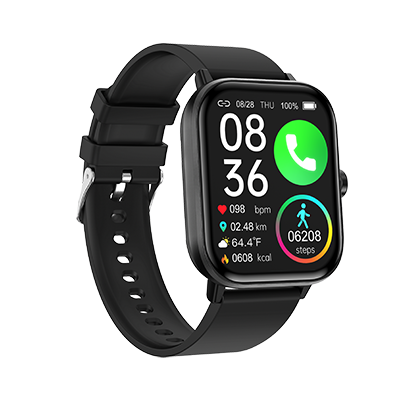
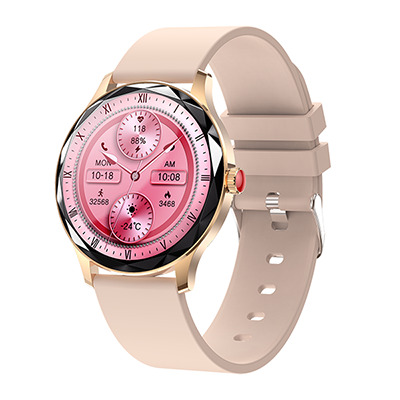
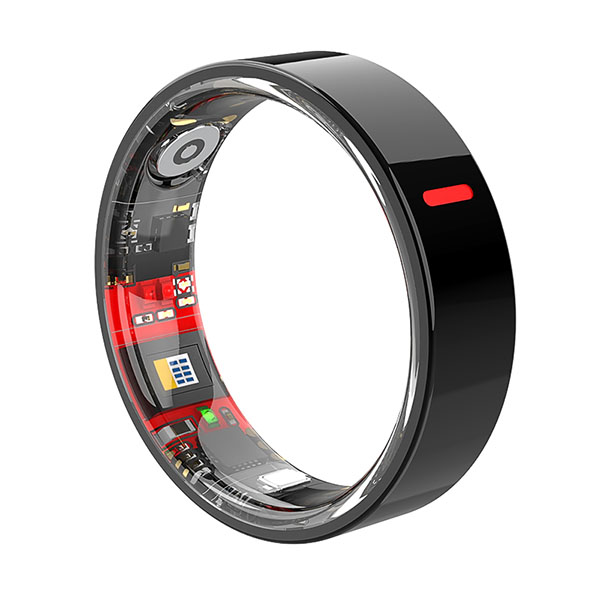
ODM (Original Design Manufacturer) provides pre-designed, market-tested smartwatches you can customize with your branding.
Key Points:
· Select from existing models (health, business, sports, luxury, etc.)
· Customize logo, UI, colors, and packaging
· Make minor feature adjustments
· Leverage manufacturer’s proven designs and certifications
Advantages:
· Fast time-to-market (4–8 weeks)
· No upfront R&D investment
· Lower minimum order quantity (MOQ)
· Ideal for startups or market testing
|
Factor |
OEM |
ODM |
|
Design Responsibility |
Client provides full design |
Manufacturer provides pre-designed, customizable models |
|
Time-to-Market |
3–6 months |
4–8 weeks |
|
Upfront Costs |
$5,000–$20,000+ |
Minimal customization fees |
|
Unit Production Cost |
$20–$50 (lower at scale) |
$25–$55 |
|
Minimum Order Quantity |
500–1,000+ units |
100–500 units |
|
Customization Level |
Complete hardware & software control |
Branding, colors, UI tweaks |
|
IP Ownership |
Client retains IP |
Manufacturer owns base design; client owns branding |
|
Best For |
Established brands, unique innovations |
Startups, market testing, limited technical resources |
· OEM: Full control, ideal for differentiation
· ODM: Fast deployment, ideal for market testing
· OEM: Requires design/engineering expertise or budget for outsourcing
· ODM: Manufacturer provides full technical solution
· OEM: Higher upfront costs, better unit economics at scale
· ODM: Minimal upfront cost, low risk
· OEM: Large batches (1,000+ units)
· ODM: Small/medium batches (100–500 units)
Practical Recommendation:
· Startups → ODM for fast market entry
· Established brands → OEM for proprietary designs
· Hybrid approach → ODM for entry-level, OEM for flagship products
Still unsure? [Contact Geyan’s experts] for a free consultation.
1. Design Submission & Technical Review (2–3 weeks)
o Client provides 3D models, PCB schematics, UI/UX designs
o Engineering review and manufacturability assessment
2. Prototyping & Validation (4–6 weeks)
o Functional prototypes, testing, client feedback
3. Pre-Production Preparation (3–4 weeks)
o Tooling, component sourcing, production line setup
4. Mass Production & QA
o Inline inspections, functional tests, assembly, packaging
5. Logistics & After-Sales Support
o Shipping arrangements, customs documentation, warranty
1. Consultation & Model Selection (1 week)
o Choose from ODM catalog: health, Bluetooth calling, sports, luxury, specialized
2. Customization (1–2 weeks)
o Branding, UI/UX, packaging, optional minor feature tweaks
3. Sample Development & Approval (2–3 weeks)
o Client review, adjustments, contract confirmation
4. Production & Delivery (4–5 weeks)
o Assembly, quality control, packaging, shipment
Total Timeline: 8–11 weeks
· NRE: $5,000–$20,000+
· Tooling: $3,000–$15,000
· Unit cost: $20–$50 (drops to $15–$35 for 10,000+)
· MOQ: 500–1,000 units
· Customization: $500–$2,000
· Unit cost: $25–$55
· MOQ: 100–500 units
Example (1,000 units):
· OEM: $42,000 total
· ODM: $41,000 total
Key Insight: OEM is better for scaling brands; ODM minimizes upfront risk.
Advantages:
1. 15+ Years Experience: 500+ projects, 40+ countries
2. Full In-House Capabilities: R&D, SMT lines, firmware, app integration
3. Quality Assurance: ISO 9001, CE/FCC/RoHS, IP68 waterproof
4. Global Export Expertise: EXW, FOB, CIF, DDP support
5. Flexible Services: OEM, ODM, JDM, small-batch production
Q1: Can I switch from ODM to OEM?
A: Yes, many clients start with ODM, then transition to OEM for advanced products.
Q2: What software customization is possible with ODM?
A: Full UI/UX branding, custom watch faces, mobile app integration, cloud sync.
Q3: How is IP protected with OEM projects?
A: NDA, IP clauses, secure data management, exclusive tooling options.
Q4: What certifications are standard?
A: CE, FCC, RoHS, IP68. Additional: UKCA, ETL, BIS.
Q5: Typical sample lead times?
· ODM: 10–15 days
· OEM: 20–30 days
Choose
OEM: For innovative, large-scale, IP-sensitive
projects.
Choose ODM: For rapid market entry, testing, and small-batch flexibility.
At Shenzhen Geyan Technology, we help brands navigate these choices with 15+ years of expertise in wearable technology.