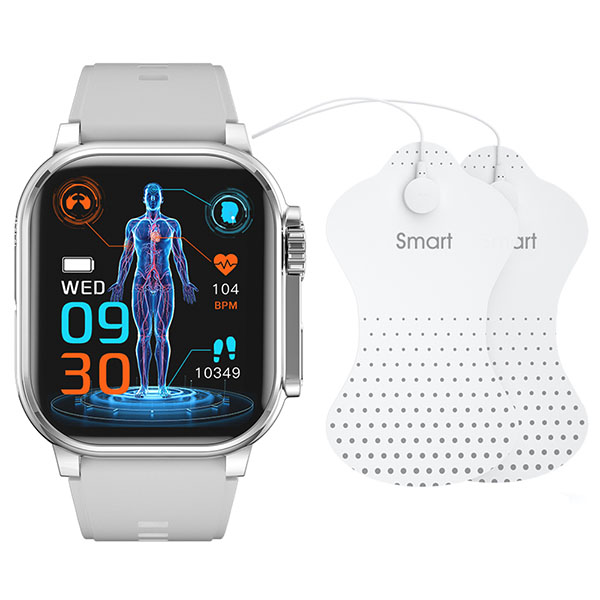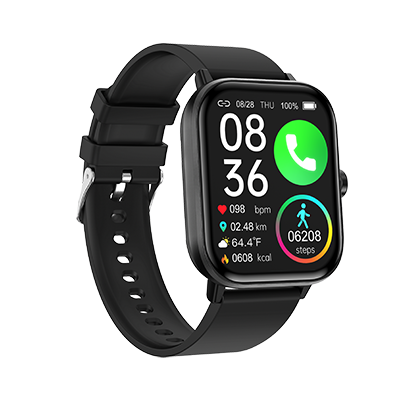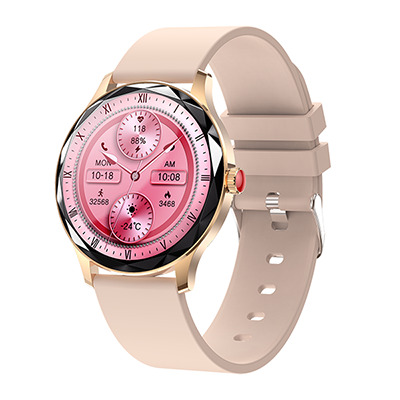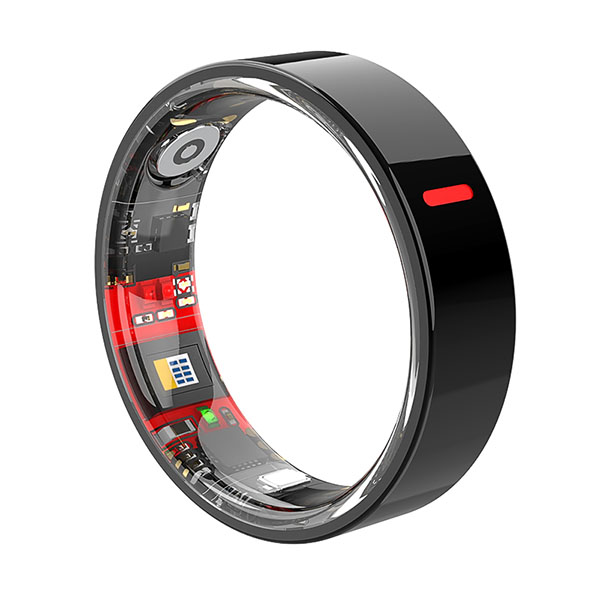
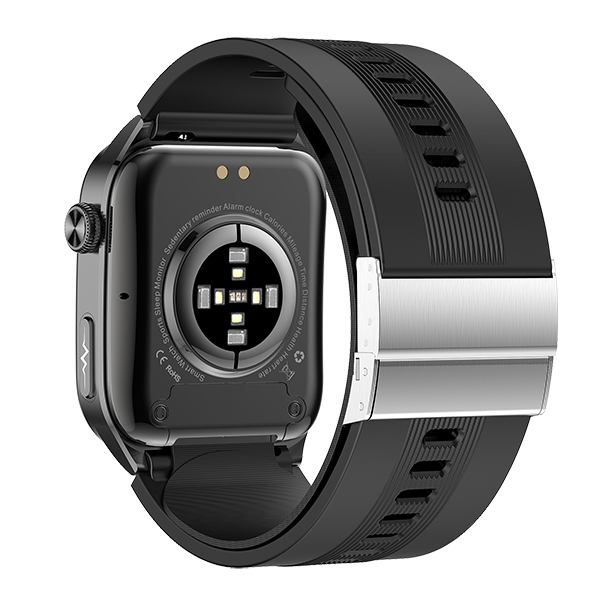
The wearable technology market in 2026 is no longer dominated by just smartwatches. Today, brands entering the market must choose between three major product categories:
Each category has different:
If you are planning to launch a wearable brand in the USA, UK, Australia, or Europe, choosing the right product type is the most critical first decision.
This guide will help you understand the differences — from both market trend and OEM development perspectives.
1️ Wearable Market Trends in 2026
The global wearable market continues to grow, but growth rates differ by category.
Major brands like Apple and Samsung still dominate the smartwatch segment. Meanwhile, health-focused brands and startups are expanding into lighter and more discreet wearables.
In particular, the rapid rise of smart rings has changed market dynamics.
Let’s look at each category.
Smartwatch Market: Mature but Competitive
Smartwatches remain the highest-revenue wearable product.
Advantages:
However:
For brands competing against established players, OEM customization becomes essential.
Smart Band Market: Price-Driven and Volume-Based
Smart bands target:
Advantages:
But:
Smart bands are ideal for distributors and volume-focused businesses.
Smart Ring Market: Fastest Growing Segment
Smart rings are becoming one of the most talked-about wearable categories in 2026.
The popularity of premium brands like Oura has accelerated consumer awareness of:
Why Smart Rings Are Exploding:
For startups, smart rings provide a strong opportunity to build a niche premium brand.
2️ Smart Ring vs Smartwatch vs Smart Band: Key Differences
Below is a strategic comparison from a product development perspective.
Hardware Complexity
Smartwatch
Development complexity: Medium to High
Smart Band
Development complexity: Low to Medium
Smart Ring
Development complexity: High (due to miniaturization)
Development Cost Comparison
|
Product |
Tooling Cost |
R&D Cost |
MOQ |
Certification |
|
Smartwatch |
Medium |
Medium |
1000–3000 |
Standard |
|
Smart Band |
Low |
Low |
1000+ |
Standard |
|
Smart Ring |
Higher |
Higher |
1000–2000 |
Precision required |
Smart rings require more precise engineering but allow higher retail pricing.
Profit Margin Potential
For Western markets, premium positioning often provides stronger brand value than low-cost volume strategies.
3️⃣ Which Wearable Product Fits Your Brand Strategy?
Choosing the wrong product category can limit long-term growth. Here’s a strategy breakdown.
For Startup Brands
If you are a startup in the USA or UK:
Smart Ring is ideal if:
Smartwatch is ideal if:
For Corporate Gift & B2B Markets
Smart Band is often the best choice because:
For Health & Medical-Oriented Brands
Smartwatch or Smart Ring is better due to:
For Telecom & Operator Bundles
Smart Band or entry-level Smartwatch works best due to:
4️ Why OEM/ODM Support Is Critical in 2026
Regardless of product choice, one factor determines success:
Your manufacturing partner.
A professional smart ring OEM manufacturer in China or smartwatch ODM supplier should provide:
Fragmented suppliers create:
An integrated OEM/ODM partner reduces development risk and accelerates market entry.
5️ 2026 Wearable Strategy Recommendations
Based on market direction:
🔹 If you want fast entry + stable demand → Smartwatch
🔹 If you want low-risk + volume model → Smart Band
🔹 If you want premium differentiation + growth potential → Smart Ring
Smart rings are still in the expansion phase, meaning brand positioning opportunities remain open.
By 2027–2028, competition in smart rings will likely intensify — early entry provides advantage.
6️ How to Decide Before Starting Development
Ask yourself:
The answers will point clearly to the right wearable category.
Final Thoughts
The wearable industry in 2026 is not about launching a product — it is about launching the right product.
Smartwatch, Smart Band, and Smart Ring each serve different strategic purposes.
If you are searching for:
Choosing the right product type and the right OEM/ODM partner will determine your success in competitive Western markets.