The wearable technology market in 2026 is no longer about generic fitness trackers. It is a landscape defined by hyper-specialization. Whether you are launching a medical-grade health ring, a rugged industrial smart band for logistics, or a luxury fashion smartwatch, off-the-shelf solutions rarely suffice.
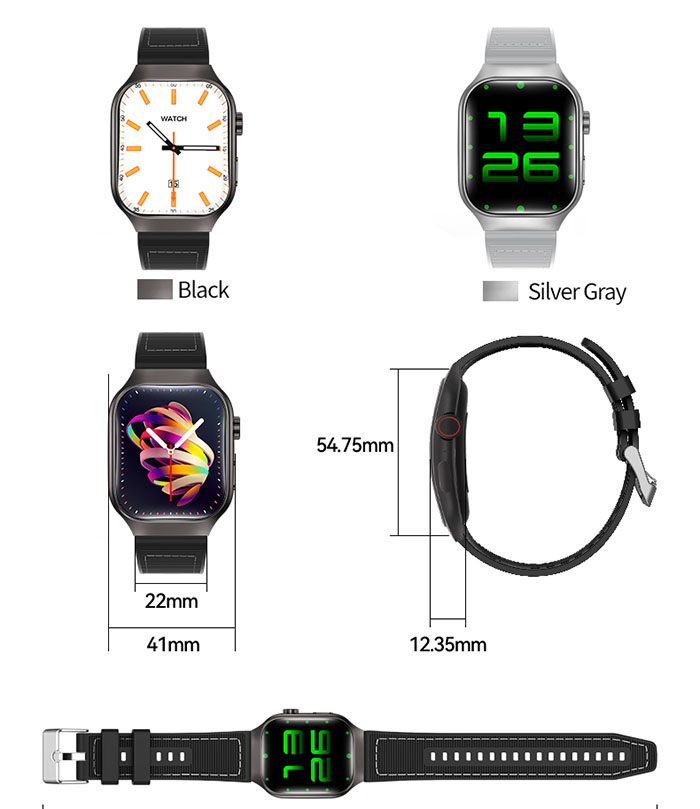
For brands aiming to capture high-intent traffic and secure market share, the difference between a commodity and a premium product lies in deep customization. From the silicon up to the software interface, every layer of a wearable device can be tailored to your specific vision.
This guide breaks down the five critical pillars of wearable customization: Hardware (PCB), Firmware, SDK/App, Private Labeling, and the OEM/ODM Process, helping you understand how to transform a concept into a differentiated market leader.
1. Hardware Customization: The Foundation of Performance
At the core of every wearable lies the hardware. Generic motherboards often lead to bloated designs, poor battery life, and inaccurate sensor readings. True differentiation starts with wearable PCB customization and precise smartwatch motherboard design.
PCB Layout & Motherboard Design
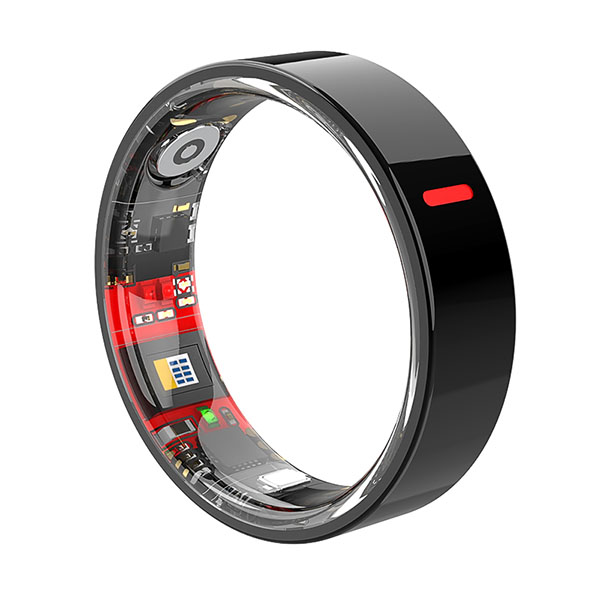
A custom PCB (Printed Circuit Board) allows you to optimize the physical footprint of your device. For smart rings and slim bands, space is at a premium.
-
Form Factor Optimization: We redesign the motherboard layout to fit unique casing shapes, ensuring components like the MCU, Bluetooth module, and memory are placed for maximum efficiency and minimal interference.
-
Component Selection: Unlike white-label devices stuck with outdated chips, custom hardware lets you select the latest low-power MCUs and high-precision Bluetooth 5.4/6.0 modules suited for your specific range and data throughput needs.
Battery & Power Optimization
Battery anxiety is the #1 consumer complaint. Custom hardware design focuses on power architecture:
-
Tailored Battery Shapes: Moving beyond standard coin or rectangular cells to custom-shaped Li-Po batteries that fill every millimeter of the device casing.
-
Power Management ICs (PMIC): Implementing aggressive sleep modes and dynamic voltage scaling specifically tuned to your firmware’s usage patterns, extending standby time from days to weeks.
Sensor Customization (PPG, ECG, SpO2)
Generic sensors often fail in diverse skin tone scenarios or specific motion environments.
-
Custom Sensor Integration: We integrate specific optical engines for PPG (Heart Rate), ECG (Electrocardiogram), and SpO2 monitoring. This includes adjusting LED wavelengths and photodiode sensitivity for higher accuracy in sports or medical applications.
-
Specialized Sensors: Need to monitor body temperature trends, stress levels (GSR), or even blood glucose trends (via non-invasive optical methods)? Custom hardware allows the integration of niche sensors that mass-market devices ignore.
Waterproofing (IP67 / IP68 / 5ATM)
Hardware design dictates durability. Through custom sealing structures, ultrasonic welding points, and nano-coating on the custom sensor integration points, we ensure devices meet strict IP67/IP68 standards for swimming, showering, or industrial use.
2. Firmware & System Customization: The Brain of the Device
Hardware is the body; firmware is the soul. Smartwatch firmware development determines how the device feels, reacts, and functions. A generic OS limits your brand; a custom firmware empowers it.
UI/UX Interface Customization
Your brand identity must shine through the screen. UI customization for smartwatches goes beyond changing colors.
-
Navigation Logic: Redefine how users swipe, tap, and interact. Create a unique menu structure that aligns with your user demographic (e.g., simplified large icons for seniors, data-dense views for athletes).
-
System Animations: Smooth, branded transitions that make the device feel premium and responsive.
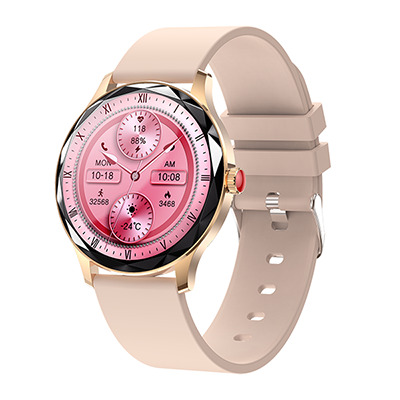
Custom Watch Faces
The watch face is the most visible element of a smartwatch.
-
Dynamic Faces: Develop faces that react to real-time data (e.g., breathing animations synced to heart rate).
-
Brand Assets: Integrate proprietary art styles, logos, and complications that reinforce brand recognition every time the user glances at their wrist.
Feature Development (TENS, Prayer, GPS, Niche Modes)
This is where you beat the competition. Why sell a generic tracker when you can sell a solution?
-
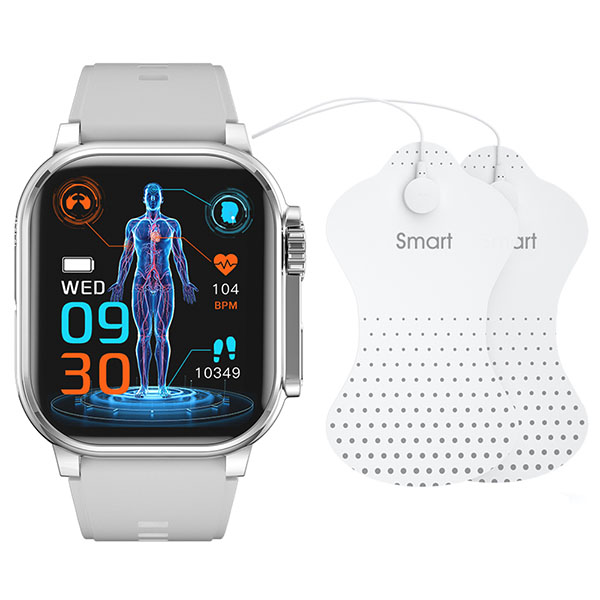
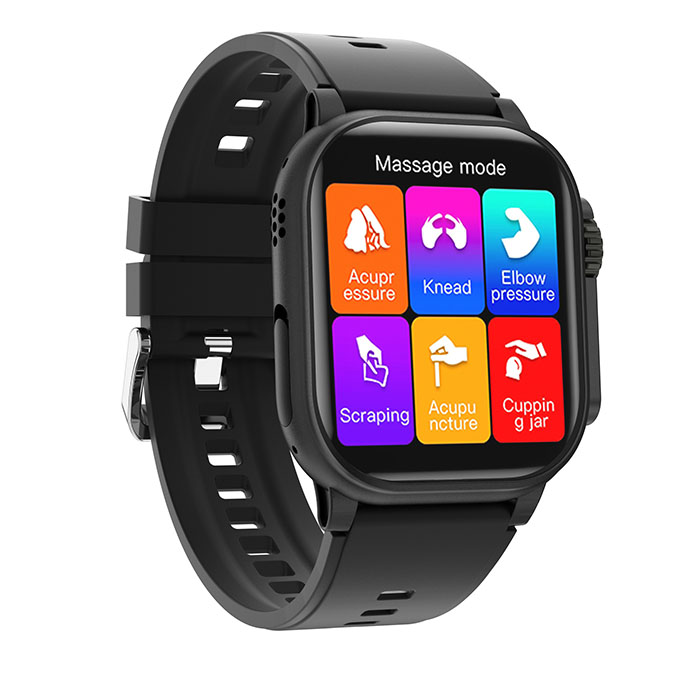
Wellness Features: Integrate TENS (Transcutaneous Electrical Nerve Stimulation) control directly into the firmware for pain relief wearables.
-
Cultural/Lifestyle Modes: Develop dedicated Prayer modes with haptic alerts and Qibla direction, or specific gestures for meditation.
-
Advanced Tracking: Implement dual-band GPS algorithms for ultra-precise route tracking in dense urban canyons or forests, tailored for outdoor adventure brands.
OTA Update Support
A device is never "finished." Robust OTA (Over-The-Air) update mechanisms ensure your customers receive new features, bug fixes, and security patches long after purchase, increasing customer lifetime value (LTV).
3. SDK & App Development: The Ecosystem Connection
A wearable is useless without a seamless connection to the smartphone. Our wearable app development services ensure your device integrates flawlessly with both Android and iOS ecosystems.
Android SDK & iOS Integration
-
Native Performance: We provide robust smartwatch SDK APIs that allow for deep integration with native health kits (Apple Health, Google Fit, Samsung Health).
-
Cross-Platform Consistency: Ensure feature parity between iOS and Android, handling the strict background process limitations of iOS to guarantee reliable data syncing.
Bluetooth Protocol Development
Standard BLE profiles often aren't enough for high-frequency data transmission.
-
Custom GATT Services: Develop proprietary Bluetooth protocols to transmit high-resolution sensor data (like raw PPG waveforms) with low latency and high stability.
-
Connection Stability: Optimize reconnection logic and interference handling for crowded RF environments.
Cloud Data Integration
Data is the new oil.
-
Secure Pipelines: Build secure channels from the device to your private cloud servers via the app.
-
AI Analytics: Enable server-side processing for advanced health insights, allowing your app to offer personalized coaching based on long-term trend analysis.
Looking for a partner who handles the full stack from chip to cloud? [Explore our comprehensive OEM/ODM capabilities here] (Internal Link to Main Capability Page).
4. Private Label & Brand Customization: Building Your Identity
Even with perfect tech, the unboxing experience defines the brand perception. Private label smartwatch services transform a generic device into your product.
Logo Printing & Laser Etching
-
Subtle Branding: Precision laser etching on the back case or bezel for a premium, permanent finish.
-
Display Branding: Custom boot-up logos and "About Device" branding within the firmware.
Custom Strap Design
The strap is the primary fashion element.
-
Material Innovation: Offer silicone, fluoroelastomer, genuine leather, recycled ocean plastics, or metal meshes tailored to your brand’s ethos.
-
Quick-Release Mechanisms: Custom lug designs that allow users to swap straps easily, creating an aftermarket accessory ecosystem.
Retail Packaging & User Manual
-
Unboxing Experience: Design eco-friendly, structurally unique packaging that tells your brand story before the device is even turned on.
-
Localized Documentation: Provide fully customized user manuals and quick-start guides in multiple languages, reflecting your target markets.
5. How to Start Your OEM/ODM Project
Turning a concept into a mass-produced reality requires a structured partnership. Here is our proven 5-step workflow:
-
Idea Discussion & Feasibility:
-
We analyze your target market, use cases, and budget.
-
Output: A preliminary Product Requirement Document (PRD) and feasibility report.
-
Hardware Selection & Architecture:
-
Selection of MCU, sensors, and battery.
-
Initiation of PCB layout and industrial design (ID) sketches.
-
Prototype Development (EVT/DVT/PVT):
-
EVT (Engineering Validation Test): Functional prototypes to verify hardware and basic firmware.
-
DVT (Design Validation Test): Near-final units for durability, waterproofing, and certification testing.
-
PVT (Production Validation Test): Final run-through using mass production tools.
-
Certification & Compliance:
-
Guidance and support for global certifications (CE, FCC, RoHS, FDA for medical features, BQB for Bluetooth).
-
Mass Production & Logistics:
-
Scaling up assembly lines, rigorous QC (Quality Control), and arranging global shipping to your warehouses.
Ready to Build the Next Generation of Wearables?
Don't settle for generic white-label devices that look like everyone else's. Whether you need a custom sensor integration for medical accuracy, a proprietary firmware for niche sports, or a complete private label solution, we have the technical depth to bring your vision to life.
Contact us today to schedule a technical consultation and start your journey from concept to market dominance.