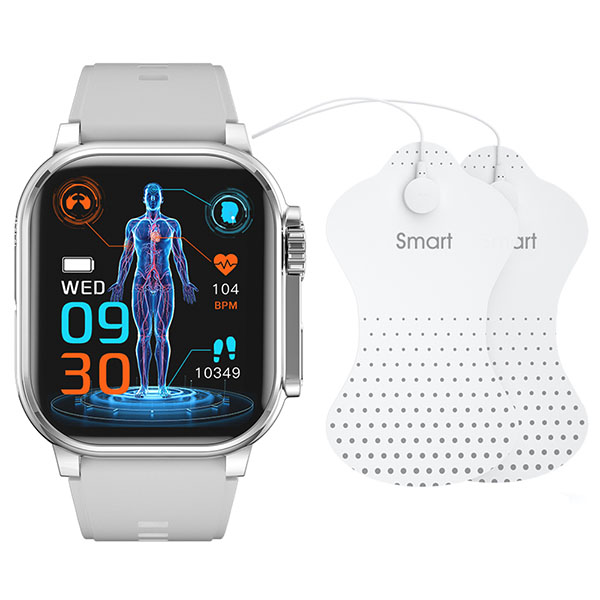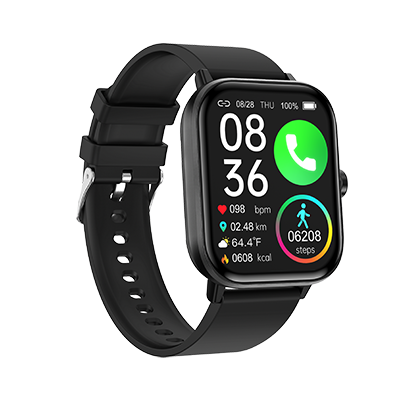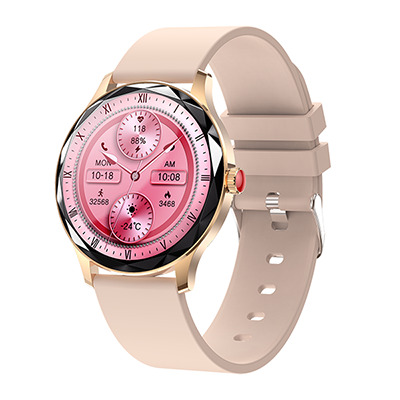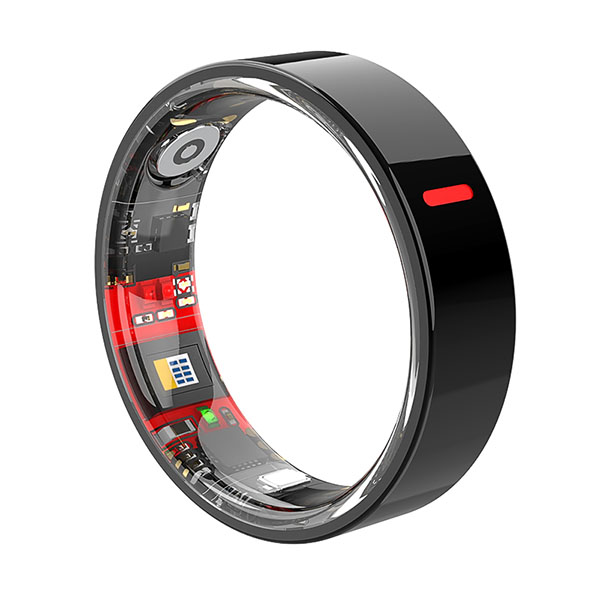
In recent years, demand for halal-compliant products has grown rapidly, particularly across Muslim-majority markets such as the UAE, Saudi Arabia, and Indonesia. This trend is no longer limited to food and cosmetics—it is increasingly influencing consumer expectations in technology and smart wearables.
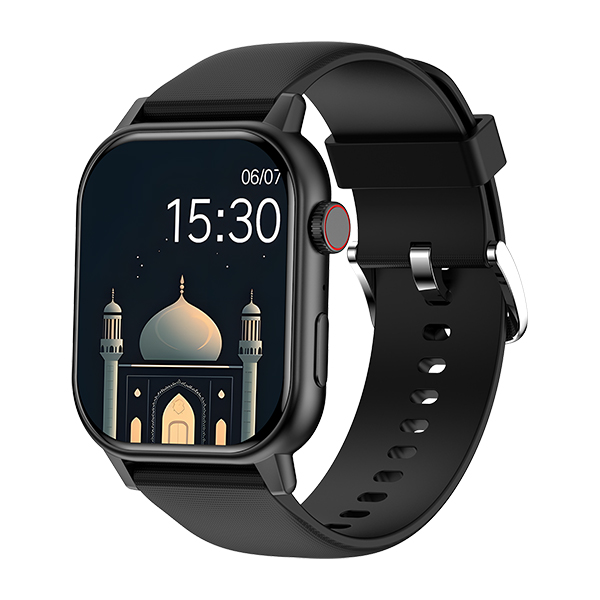
As smartwatches become deeply embedded in daily life, Muslim consumers are seeking devices that not only deliver modern functionality but also align with Islamic values and lifestyles. A halal-compliant smartwatch—or Muslim-friendly smartwatch—represents a significant growth opportunity for technology brands and OEM/ODM manufacturers with the right expertise.
Industry Background: Why Geyan Technology Is Positioned for This Market
Founded in 2012, Shenzhen Geyan Technology Co., Ltd. is a national high-tech enterprise with over 15 years of experience in intelligent electronics and smart wearable development. Geyan provides end-to-end OEM and ODM services, covering research, industrial design, firmware development, manufacturing, and after-sales support.
As an early pioneer in China’s smartwatch industry, Geyan has played a key role in establishing the Smart Wearable Industry Association and the Chip Industry Promotion Association, where it serves as a standing committee member. The company’s portfolio includes multiple successful wearable brands, built on long-term commitments to independent R&D, quality control, and scalable manufacturing.
These capabilities translate naturally into the development of halal-compliant smartwatches, where customization, reliability, and ethical design are essential.
1. Understanding the Halal Market: What “Halal” Means in Smart Technology
In Islamic law (Shariah), halal refers to what is permissible, ethical, and trustworthy. When applied to technology—especially wearable devices—it extends beyond materials to include:
• Avoidance of harmful or inappropriate content
A halal smartwatch must therefore comply with both physical and digital ethical standards.
Key Halal Principles for Smartwatches
Data Privacy & Trust
Health & Wellbeing
Islam places strong emphasis on caring for the body. As a result, health-monitoring features are not optional but central to a halal smartwatch.
• Blood pressure and ECG (where regulations allow)
2. Integrating Islamic Values into Smartwatch Features
A successful halal smartwatch blends religious utility with mainstream smartwatch expectations. The product should feel modern—not niche or limited.
Essential Muslim-Friendly Features
Prayer Times & Qibla Direction
Manufacturers with GPS and sensor integration experience can ensure these features remain precise in diverse environments, including remote or urban settings.
Modesty Mode (Content Filtering)
• Disable ads or unsuitable imagery
Ramadan & Fasting-Aware Health Features
During Ramadan, user behavior changes significantly. A well-designed halal smartwatch can:
• Offer wellness insights adapted to fasting conditions
Halal Lifestyle Notifications
• Regional holiday calendars
Localization is critical. A smartwatch designed for the UAE market may differ subtly from one designed for Indonesia—both culturally and functionally.
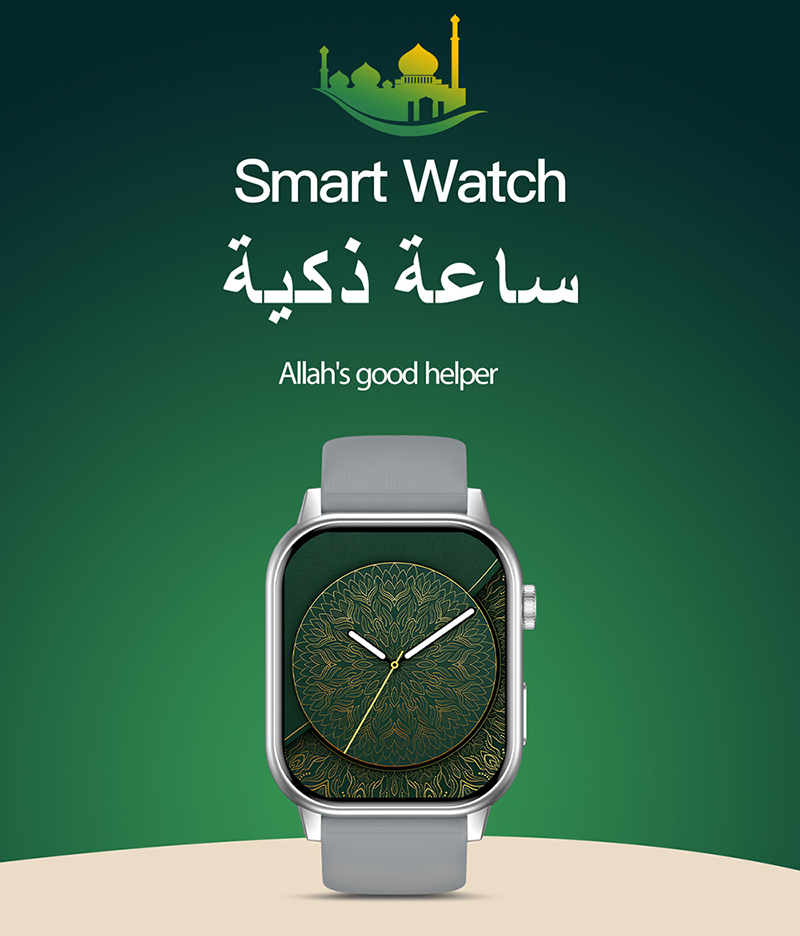
3. Choosing Halal-Compliant Materials
Avoiding Haram Materials
• Ethically sourced stainless steel or recycled metals
Final Thoughts: Turning Halal Compliance into a Competitive Advantage
A halal-compliant smartwatch is not merely a religious product—it is a trust-driven, ethically designed wearable that resonates with a rapidly growing global consumer segment.
• Reliable manufacturing and certification readiness